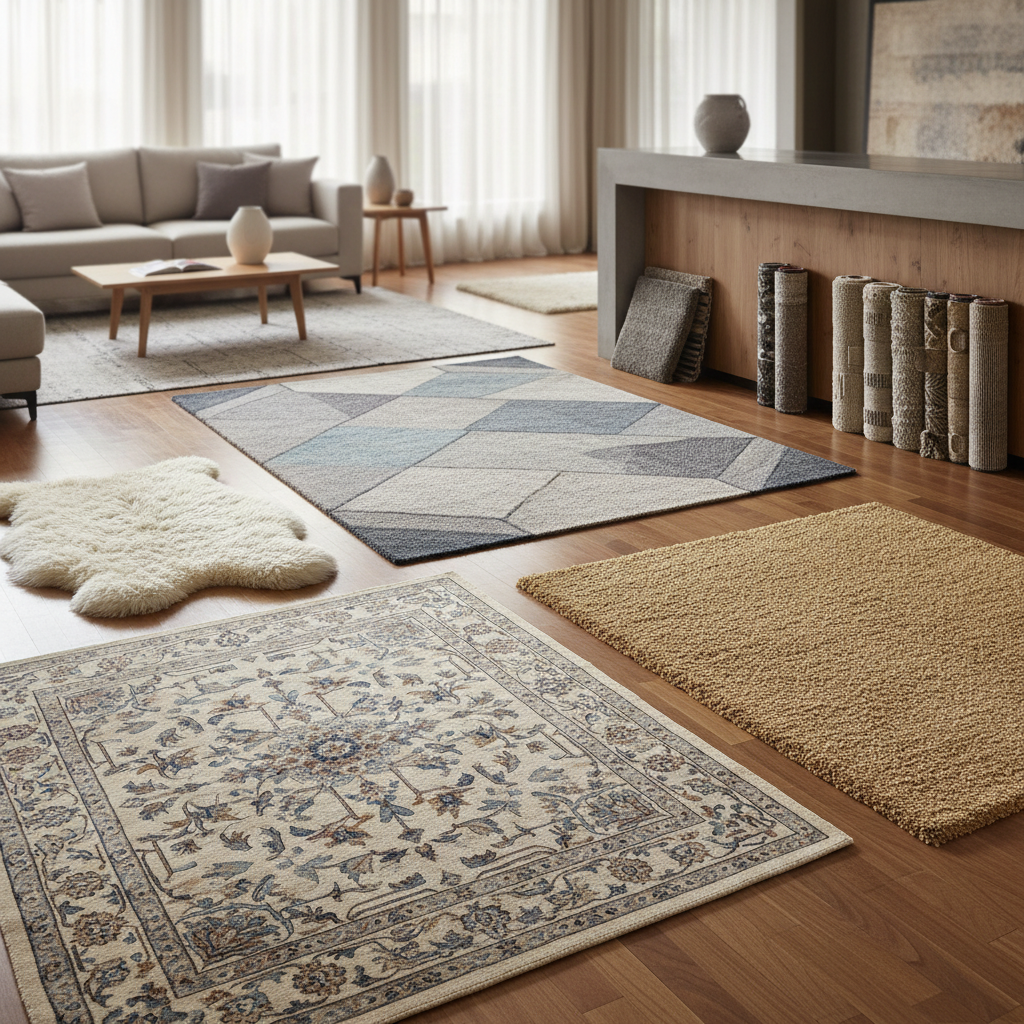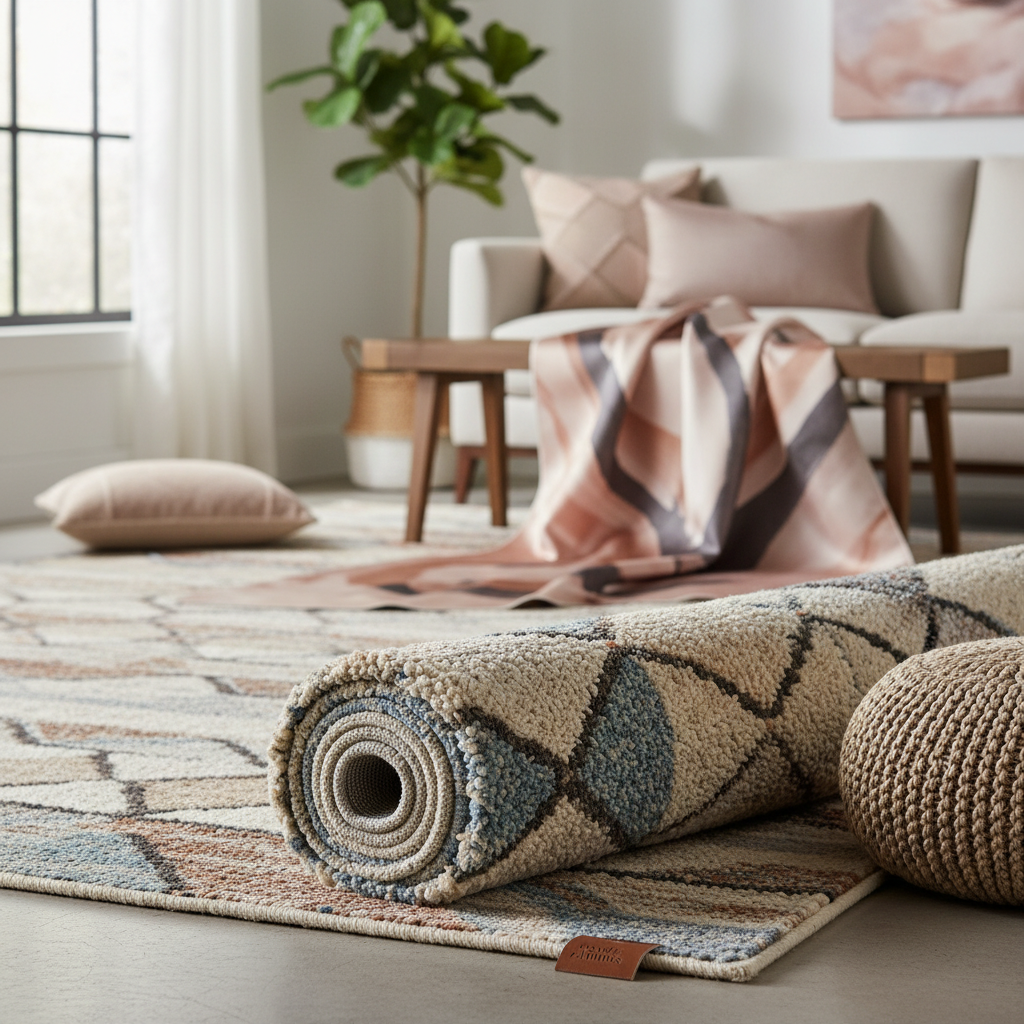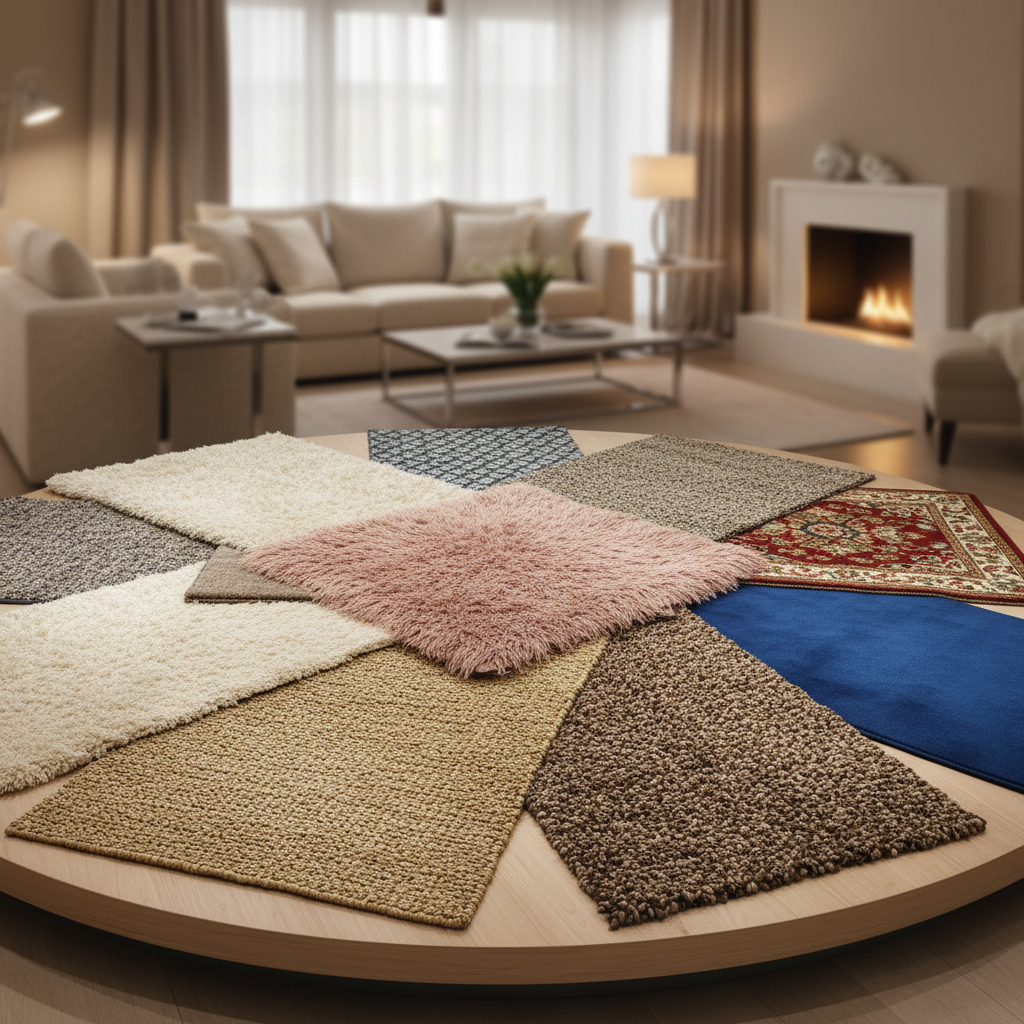


Residential carpet types represent more than just floor coverings; they embody comfort, style, and functionality within the home environment. Understanding the diverse range of options available, from traditional textures to innovative materials, is crucial for homeowners seeking to create spaces that reflect their individual tastes and lifestyles. The global market for residential carpets is substantial, driven by factors such as rising disposable incomes, increasing construction activity, and a growing emphasis on interior design. Choosing the right residential carpet type can significantly impact the overall aesthetic, acoustic properties, and long-term durability of a living space.
The significance of residential carpet types extends beyond mere aesthetics. These materials play a critical role in indoor air quality, influencing allergen levels and overall health. Furthermore, advancements in sustainable carpet manufacturing are addressing environmental concerns, offering eco-friendly options for conscious consumers. The industry is constantly evolving, with new technologies and materials emerging to meet the changing needs of homeowners and interior designers. Consequently, staying informed about the latest trends and innovations in residential carpet types is increasingly important.
Ultimately, a well-informed decision regarding residential carpet types leads to a more comfortable, healthier, and aesthetically pleasing home. From selecting the appropriate fiber to considering pile height and construction methods, each factor contributes to the overall performance and longevity of the carpet. This comprehensive guide will explore the various facets of residential carpet types, providing valuable insights to help you make the best choice for your specific needs.
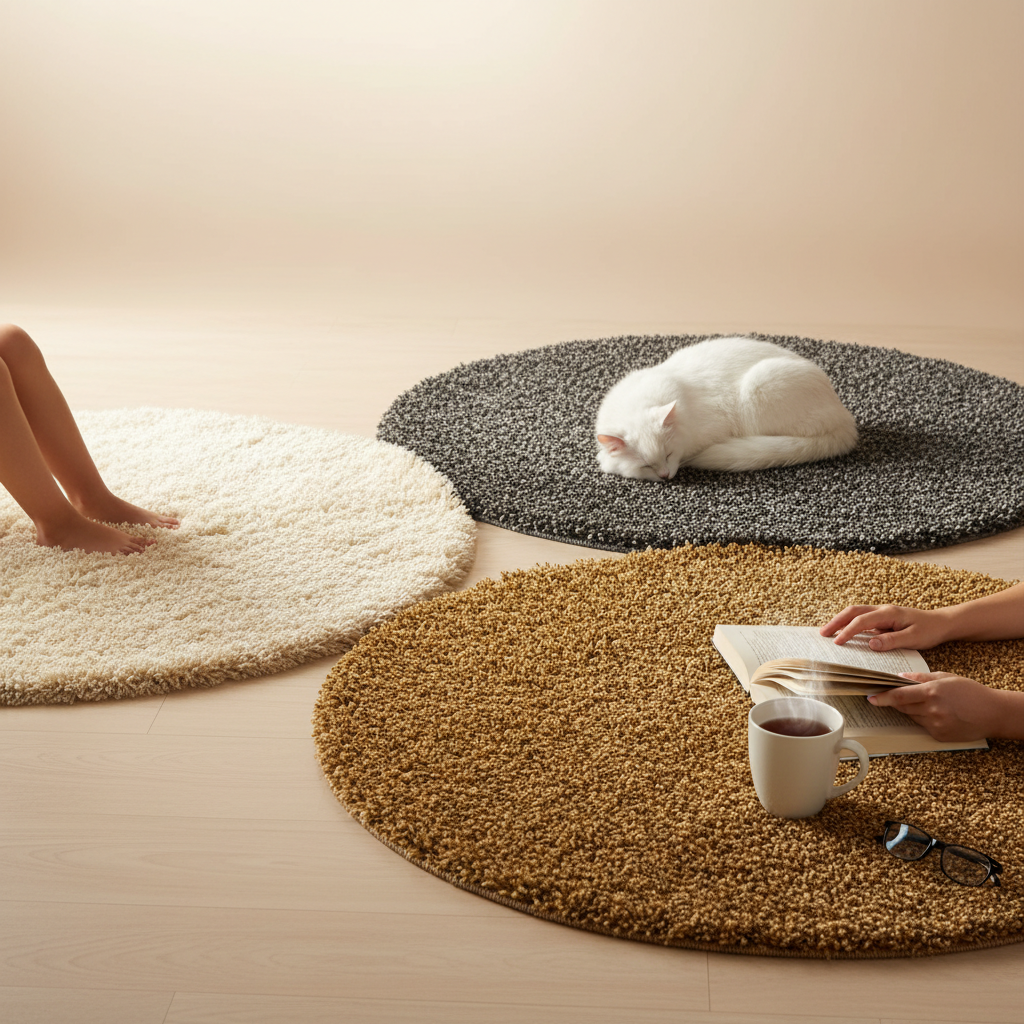
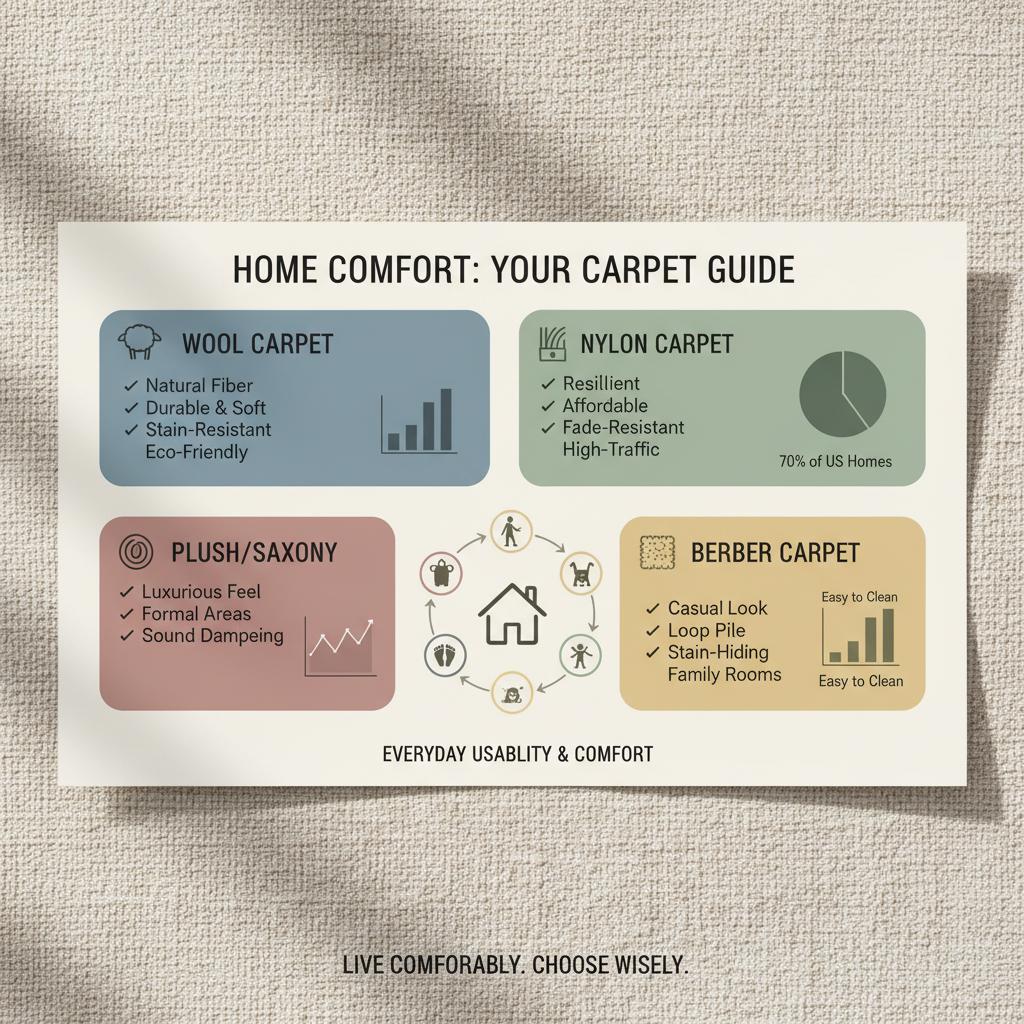
Residential carpet types encompass a wide array of materials, constructions, and styles designed specifically for use in homes. These carpets serve as both functional floor coverings and decorative elements, contributing to the overall comfort and aesthetic appeal of interior spaces. Different types of residential carpets offer varying levels of durability, stain resistance, and ease of maintenance, catering to diverse lifestyles and preferences.
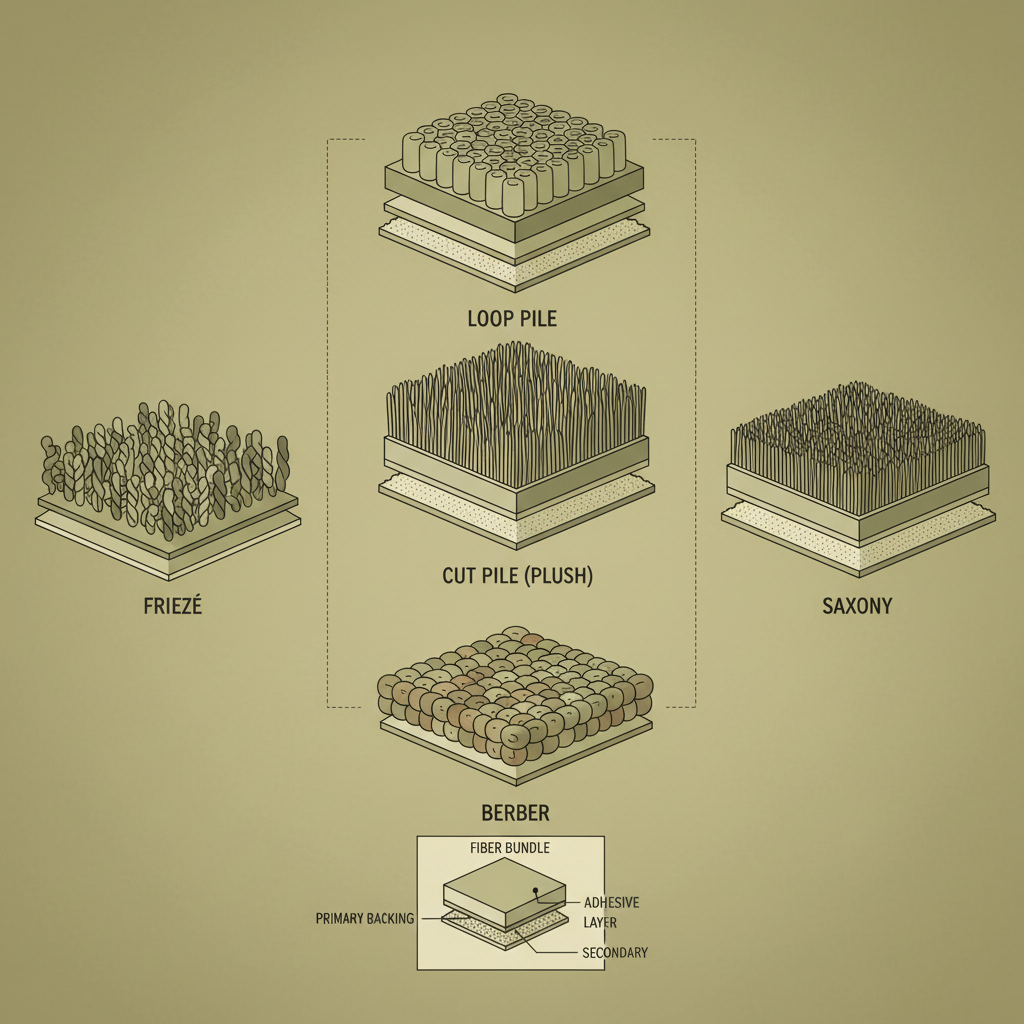
Understanding the core elements of residential carpet types is essential for making informed purchasing decisions. Factors such as fiber content (nylon, polyester, wool, olefin), pile type (cut, loop, cut-and-loop), and backing material all influence the carpet's performance and longevity. A well-chosen residential carpet type can enhance a home's value and create a welcoming atmosphere for years to come.
Nylon is generally considered the most durable type of residential carpet. Its inherent resilience and strength allow it to withstand heavy foot traffic and resist wear and tear over extended periods. While other fibers like polyester and triexta have improved in durability, nylon remains the gold standard for long-lasting performance, particularly in high-traffic areas. Regular cleaning and proper installation are also vital for maximizing its lifespan.
The frequency of vacuuming depends on foot traffic and household factors like pets and children. However, a general recommendation is to vacuum high-traffic areas at least twice a week, and lower-traffic areas once a week. Regular vacuuming removes dirt, dust, and allergens, preventing them from becoming embedded in the carpet fibers and extending its lifespan. For homes with pets, daily vacuuming may be necessary.
Yes, there’s a growing range of eco-friendly residential carpet options. These include carpets made from recycled materials (like recycled plastic bottles), natural fibers like wool and sisal, and those manufactured using sustainable processes. Look for carpets with certifications like Green Label Plus, which indicates low VOC emissions. Bio-based fibers are also becoming increasingly popular as environmentally conscious alternatives.
Pile height refers to the length of the carpet fibers. Lower pile carpets (under 0.5 inches) are more durable and easier to clean, ideal for high-traffic areas. Medium pile carpets (0.5-1 inch) offer a good balance of comfort and durability, suitable for most living spaces. Higher pile carpets (over 1 inch) provide a luxurious feel but require more maintenance and are best suited for low-traffic areas like bedrooms.
Cut pile carpets have fibers that are cut at the ends, creating a soft, plush surface. They're comfortable underfoot but can show footprints more easily. Loop pile carpets have fibers that are looped, making them more durable and resistant to crushing. They are a good choice for high-traffic areas. Cut-and-loop pile carpets combine both styles, offering both comfort and durability.
Protecting your carpet from stains involves preventative measures and prompt action. Applying a carpet protector can create a barrier against spills. Address stains immediately by blotting (not rubbing) with a clean cloth and appropriate cleaning solution. Regular professional cleaning can also help maintain the carpet’s stain resistance and overall appearance. Avoiding eating and drinking in carpeted areas can also minimize the risk of stains.
In conclusion, understanding residential carpet types is pivotal for creating comfortable, aesthetically pleasing, and long-lasting living spaces. From the diverse fiber options and pile constructions to the crucial considerations of durability and maintenance, informed decision-making leads to a flooring solution that perfectly aligns with individual needs and lifestyles. Choosing the right carpet significantly contributes to a home’s overall value and quality of life.
As technology and sustainability continue to shape the industry, we can expect even more innovative and environmentally responsible residential carpet types to emerge. Staying informed about these advancements will be essential for homeowners seeking to maximize performance, minimize environmental impact, and create truly exceptional interior spaces. Visit our website at www.yigoodhome.com to explore our comprehensive selection of residential carpets.


Variety

Softness

Durability

Maintenance
Address
Floor 724 ,Building 7, No. 10, Tatan International Trade City, 118 Shengli South Street, Qiaoxi District, Shijiazhuang City, Hebei Province
Business Hours
Mon to Saturday : 8:00 am - 7:00 pm
Sunday & Holidays : Closed