close
Mon to Saturday : 8:00 am - 7:00 pm
language
0%

Table of Contents

Different kinds of carpet are a fundamental element of interior design and comfort, found in homes, businesses, and public spaces globally. Understanding the diverse range available – from natural fibers like wool and sisal to synthetic options like nylon and polyester – is crucial for selecting the right flooring solution. The global carpet market is a multi-billion dollar industry, driven by factors like housing construction, renovation projects, and increasing disposable incomes. Selecting the right carpet involves considering factors like budget, foot traffic, aesthetic preferences, and maintenance requirements.

The relevance of different kinds of carpet extends beyond mere aesthetics. Carpets play a significant role in sound absorption, thermal insulation, and providing a safe, comfortable surface. As sustainability becomes increasingly important, the demand for eco-friendly carpet options, such as those made from recycled materials or renewable resources, is growing. The industry is constantly evolving, with innovations in manufacturing processes and fiber technology leading to more durable, stain-resistant, and environmentally responsible products.

Choosing the appropriate type of carpet contributes directly to indoor air quality and overall well-being. From luxurious textures underfoot to practical solutions for high-traffic areas, different kinds of carpet address a broad spectrum of needs and preferences. A thorough understanding of the options available empowers consumers and professionals alike to make informed decisions, ensuring both aesthetic appeal and long-term performance.
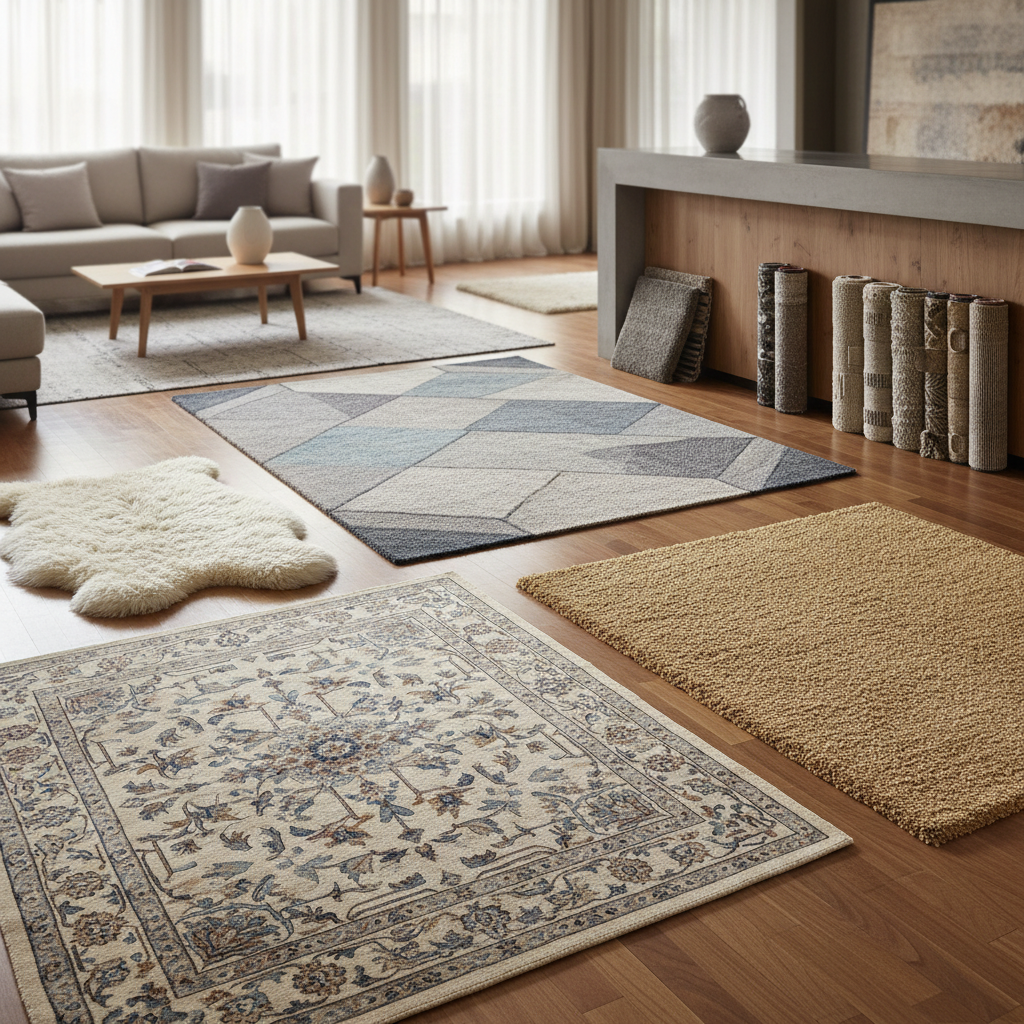
Exploring Different Kinds of Carpet for Home and Commercial Spaces

Introduction to Different Kinds of Carpet

Exploring Different Kinds of Carpet for Home and Commercial Spaces

The world of carpeting is remarkably diverse, offering solutions for every style, budget, and functional need. From the plush comfort of a shag carpet to the durability of a Berber, different kinds of carpet cater to a wide range of applications. Recognizing the nuances of these options is vital for homeowners, interior designers, and commercial property managers alike. Selecting the correct carpet isn't merely about aesthetics; it's about investing in a flooring solution that delivers long-term value and performance.

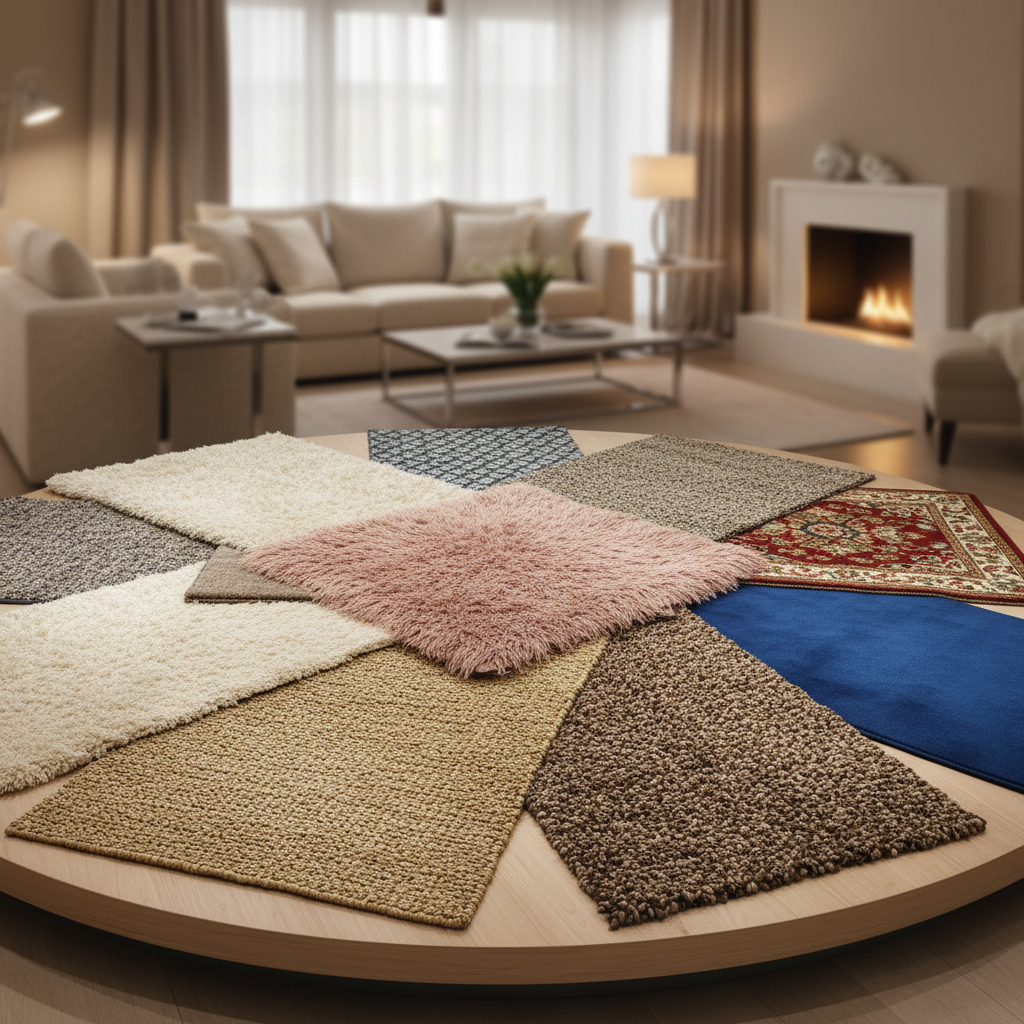
Understanding the core differences between carpet fibers – such as nylon, polyester, wool, and olefin – is the first step towards making an informed decision. Each fiber offers unique characteristics in terms of durability, stain resistance, texture, and cost. Furthermore, the construction method – whether loop pile, cut pile, or woven – significantly influences the carpet’s appearance and longevity. Different kinds of carpet are designed to withstand varying levels of foot traffic and wear.

Defining Different Kinds of Carpet

Different kinds of carpet are broadly defined as textile floor coverings produced from various fibers and constructed through weaving, tufting, or needle felting processes. These floorings aren't simply decorative elements; they're engineered solutions designed to provide comfort, insulation, sound absorption, and a safe walking surface. The term "carpet" encompasses a vast spectrum of materials and construction techniques, each yielding distinct performance characteristics.

In modern industry, the definition extends to include carpet tiles – modular squares that offer flexibility in design and ease of replacement. These tiles are particularly popular in commercial settings, allowing for targeted maintenance and design updates. The industry also incorporates increasingly sustainable practices, focusing on recycled materials and eco-friendly manufacturing processes.

The connection to modern needs is clear: as populations grow and urbanization increases, the demand for comfortable, durable, and aesthetically pleasing flooring solutions rises. Different kinds of carpet address this demand by providing a versatile and adaptable flooring option for a diverse range of environments.

Core Characteristics of Different Kinds of Carpet

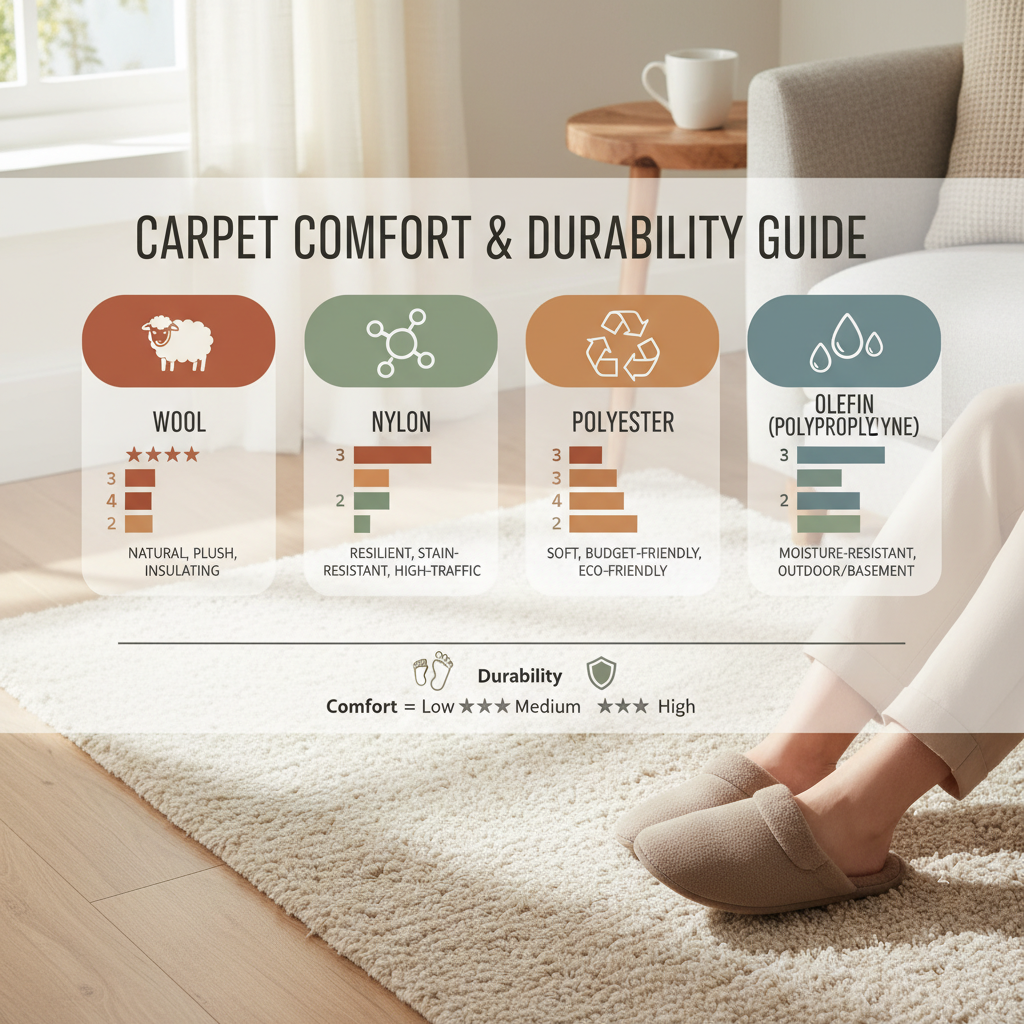
Several core factors differentiate the many types of carpet available. Firstly, durability is paramount, determined largely by fiber type and construction method. Nylon, for example, is known for its exceptional resilience, making it ideal for high-traffic areas. Secondly, stain resistance is a crucial consideration, particularly in households with children or pets. Polyester and olefin carpets generally offer good stain resistance, but may not be as durable as nylon.

Cost-effectiveness plays a significant role in carpet selection. Olefin carpets tend to be the most affordable option, while wool carpets represent a premium investment. Comfort and texture also vary considerably, with plush carpets providing a luxurious feel, while Berber carpets offer a more textured and casual aesthetic. Finally, maintenance requirements are essential to consider. Some carpets require professional cleaning, while others can be easily maintained with regular vacuuming.

These aspects relate directly to practical applications. A busy family room might benefit from a durable, stain-resistant nylon carpet, while a formal dining room could showcase a luxurious wool carpet. Understanding these trade-offs allows for optimal flooring choices based on individual needs and preferences. Different kinds of carpet have a unique set of characteristics.

Practical Applications of Different Kinds of Carpet

Different kinds of carpet find application across a diverse range of settings. In residential homes, carpets are used in living rooms, bedrooms, hallways, and basements, providing comfort, warmth, and aesthetic appeal. In commercial spaces, carpets are common in offices, hotels, retail stores, and educational institutions, offering both functionality and design flexibility.

Specifically, cut pile carpets are popular in bedrooms for their softness, while loop pile carpets are often used in high-traffic areas like hallways and stairs due to their durability. In post-disaster relief operations, temporary carpet solutions can provide immediate comfort and a sanitary surface for displaced populations.

In remote industrial zones, durable and easy-to-clean carpets are crucial for maintaining a safe and productive work environment. Different kinds of carpet are utilized in various industries, providing unique benefits tailored to each setting.

Durability Ratings of Different Kinds of Carpet


Advantages and Long-Term Value of Different Kinds of Carpet

The advantages of choosing different kinds of carpet are multifaceted. Cost-effectively, carpets can offer a significant return on investment due to their longevity and reduced energy bills through improved insulation. Sustainably, options like wool or recycled fiber carpets minimize environmental impact, appealing to eco-conscious consumers. Socially, carpeting provides a safer and more comfortable environment, improving the quality of life for occupants.

From an emotional standpoint, carpet adds warmth, texture, and aesthetic appeal to any space. Logically, it offers practical benefits like noise reduction and enhanced safety with slip-resistant surfaces. The reliability and durability of well-maintained carpets contribute to long-term value, reducing the need for frequent replacements.

Future Trends in Different Kinds of Carpet

Several key trends are shaping the future of the carpet industry. Innovations in fiber technology are leading to the development of more sustainable and high-performance materials. Smart carpets with integrated sensors are emerging, offering features like occupancy detection and air quality monitoring. Furthermore, advancements in digital printing are enabling greater customization and design flexibility.

The industry is also focusing on circular economy principles, emphasizing recycling and waste reduction. Different kinds of carpet manufacturers are investing in research and development to create carpets that are both environmentally friendly and economically viable.

Challenges and Solutions in the Carpet Industry

The carpet industry faces challenges related to raw material sourcing, manufacturing emissions, and end-of-life disposal. One common limitation is the difficulty in recycling mixed-fiber carpets, requiring innovative separation technologies. Another challenge is the presence of volatile organic compounds (VOCs) in some carpet materials, impacting indoor air quality.

Solutions involve investing in research to develop biodegradable carpet fibers, implementing closed-loop recycling systems, and adopting stricter VOC emission standards. Collaborations between manufacturers, researchers, and policymakers are essential to overcome these challenges and promote a more sustainable and responsible carpet industry.

Addressing these issues will not only benefit the environment but also enhance the value and appeal of different kinds of carpet to consumers.

Summary of Challenges and Solutions

Challenge Impact Level (1-10) Proposed Solution Implementation Cost (USD)
Raw Material Sourcing 7 Sustainable Fiber Development 50,000 - 200,000
Manufacturing Emissions 8 Cleaner Production Technologies 100,000 - 500,000
Recycling Difficulties 9 Fiber Separation Technology 200,000 - 1,000,000
VOC Emissions 6 Low-VOC Material Alternatives 20,000 - 80,000
Waste Disposal 7 Carpet Take-Back Programs 10,000 - 50,000
Consumer Awareness 5 Educational Campaigns 5,000 - 20,000

FAQS

What is the most durable type of carpet for high-traffic areas?

Nylon is widely considered the most durable carpet fiber for high-traffic areas. Its inherent resilience, exceptional abrasion resistance, and ability to bounce back from compression make it an ideal choice for hallways, living rooms, and commercial spaces. While other fibers like polyester and olefin offer good performance, nylon consistently outperforms them in terms of long-term wear and tear. It can withstand heavy foot traffic and maintain its appearance for many years with proper care.

How do I choose a carpet that's hypoallergenic?

If you’re seeking a hypoallergenic carpet, consider options with low pile heights and tightly woven constructions. These characteristics minimize the accumulation of dust mites and allergens. Wool carpets are naturally hypoallergenic, possessing lanolin that repels dust and allergens. Alternatively, synthetic fibers like nylon and polyester can also be good choices, especially when paired with regular vacuuming and professional cleaning. Always look for carpets certified by organizations like the Carpet and Rug Institute (CRI) for low emissions.

What’s the difference between cut pile and loop pile carpets?

Cut pile carpets have fibers that are cut at the ends, creating a softer, more plush texture. Common cut pile styles include plush, frieze, and Saxony. Loop pile carpets, on the other hand, have fibers that loop back into the backing, resulting in a durable, textured surface. Berber is a popular example of a loop pile carpet. Loop pile carpets are generally more stain-resistant and better suited for high-traffic areas, while cut pile carpets offer greater comfort underfoot.

Are there eco-friendly carpet options available?

Yes, a growing number of eco-friendly carpet options are available. These include carpets made from recycled materials (like plastic bottles or fishing nets), natural fibers like wool and sisal, and carpets manufactured using sustainable processes. Look for certifications like Green Label Plus from the Carpet and Rug Institute, which indicates low VOC emissions. Choosing an eco-friendly carpet reduces your environmental impact and contributes to a healthier indoor environment.

How often should I professionally clean my carpet?

The frequency of professional carpet cleaning depends on factors like foot traffic, lifestyle, and the presence of pets or children. As a general guideline, most carpets benefit from professional cleaning every 12-18 months. However, high-traffic areas or homes with pets may require more frequent cleaning (every 6-12 months). Professional cleaning removes embedded dirt, allergens, and stains, extending the life of your carpet and improving indoor air quality.

What’s the best carpet for a basement that is prone to moisture?

Basements often experience moisture issues, so selecting a moisture-resistant carpet is crucial. Synthetic fibers like olefin and polyester are excellent choices as they don't absorb water easily. Consider a carpet with a waterproof backing to provide an additional layer of protection. Alternatively, carpet tiles offer a practical solution, as individual tiles can be replaced if they become damaged by moisture. Always ensure proper basement ventilation and waterproofing to minimize moisture problems.

Conclusion

In conclusion, understanding the diverse world of different kinds of carpet is essential for making informed flooring decisions. From the inherent durability of nylon to the eco-friendly benefits of wool and recycled materials, each fiber and construction method offers a unique combination of performance characteristics. Careful consideration of factors like foot traffic, lifestyle, budget, and sustainability goals will guide you toward the perfect carpet solution for your specific needs.

Looking ahead, innovations in carpet technology promise even more sustainable, comfortable, and high-performance flooring options. By embracing these advancements and adopting responsible practices, we can enjoy the benefits of beautiful and functional carpets while minimizing our environmental impact. Visit our website at www.yigoodhome.com to explore our wide selection of different kinds of carpet and find the perfect fit for your home or business.

Declan Hayes

Declan Hayes

Declan Hayes is the Head of Operations at Hebei Yihao Home Furnishings. He is responsible for overseeing the production process, from sourcing raw materials to ensuring timely delivery of products. With a background in supply chain management, Declan has streamlined the company’s manufacturing operations, increasing efficiency and reducing costs. He’s
Previous Exploring Durable and Affordable Low Pile Carpet Types for Modern Spaces
Next Exploring the Diverse World of Kinds of Carpet for Optimal Flooring Solutions
Can't Find The Carpets Wholesale And Services You Need?
If you need our help,
Our staff will be happy to help and answer your questions!
Variety

Variety

Carpets come in a wide range of colors, patterns, and textures to suit different styles and preferences.
Softness

Softness

They offer a plush, soft feel underfoot, adding comfort to any room.
Durability

Durability

Quality carpets are designed to withstand heavy foot traffic and last for years with proper care.
Maintenance

Maintenance

Carpets require regular cleaning, such as vacuuming and occasional deep cleaning, to maintain their appearance and hygiene.

Contact Us

Email: 1036673511@qq.com

Phone:15731954866

Cooperation

Email:1036673511@qq.com

Phone:15731954866

Address

Floor 724 ,Building 7, No. 10, Tatan International Trade City, 118 Shengli South Street, Qiaoxi District, Shijiazhuang City, Hebei Province

Business Hours

Mon to Saturday : 8:00 am - 7:00 pm

Sunday & Holidays : Closed

If you are interested in our products, you can choose to leave your information here, and we will be in touch with you shortly.