Understanding what are the different types of carpet isn’t just about aesthetics; it's about durability, cost-effectiveness, and creating the right environment for a space. From bustling commercial buildings to cozy homes, the right carpet can drastically improve comfort, safety, and even acoustics. It’s a deceptively complex world, and choosing the wrong type can lead to premature wear, costly replacements, and ultimately, dissatisfaction. We've spent years on job sites, seeing firsthand what holds up and what doesn’t, and that experience is what drives our recommendations.
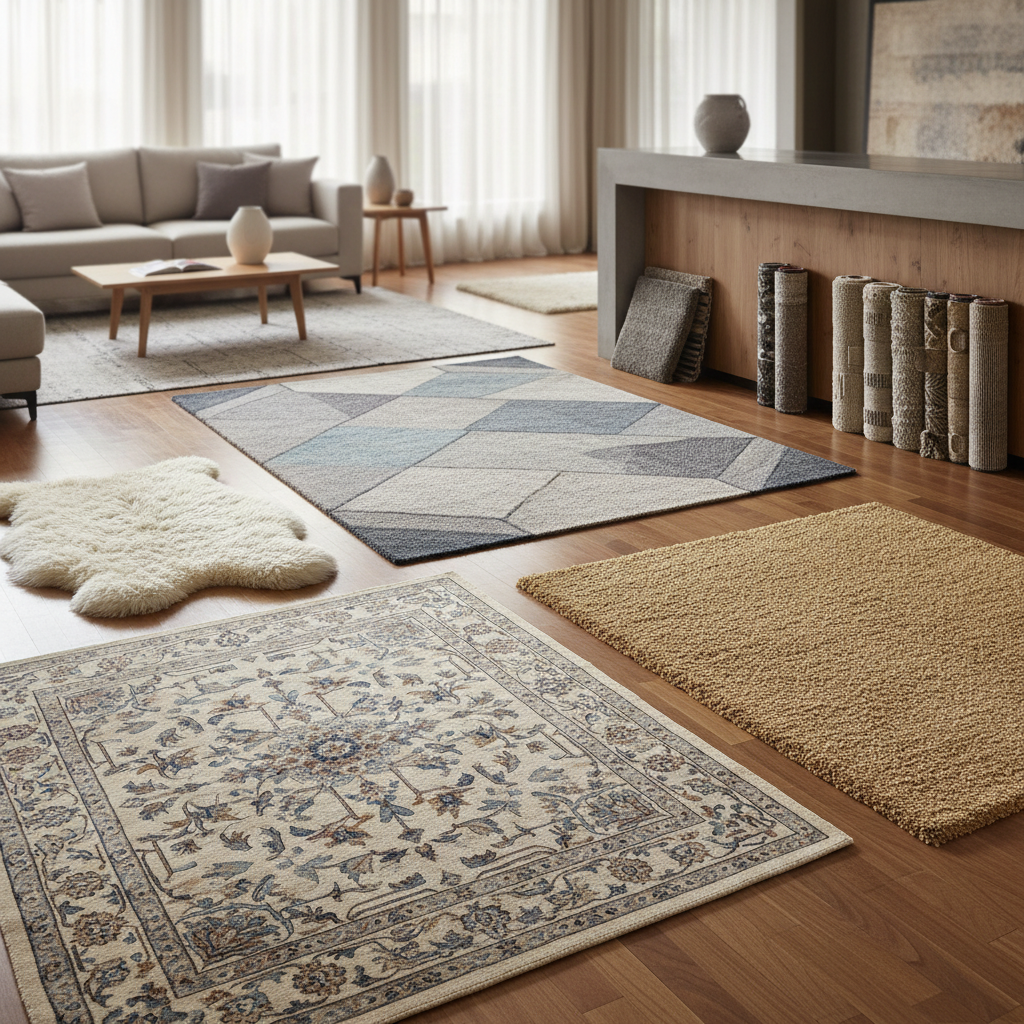
The sheer variety can be overwhelming. You’ve got everything from natural fibers like wool to synthetics like nylon and polyester, each with its own strengths and weaknesses. Beyond the fiber itself, you have construction methods – cut pile, loop pile, tufted, woven – all impacting feel and performance. Then there’s density, pile height, and backing materials to consider. It’s a lot, but breaking it down systematically is key. Knowing what are the different types of carpet is the first step to a successful flooring project.
The global carpet market is a massive industry, projected to reach billions in the coming years. According to reports from organizations like the World Bank and ISO, demand is steadily increasing, driven by new construction and renovation projects worldwide. A major challenge is balancing cost with sustainability. Consumers are increasingly aware of the environmental impact of their choices, creating a demand for eco-friendly carpet options. This is where a deep understanding of materials and manufacturing processes becomes critical. It’s not just about price per square foot; it’s about long-term value and responsible sourcing.
The Fundamentals of what are the different types of carpet
At its core, what are the different types of carpet is defined by the materials used in its construction and the way those materials are assembled. You’ve got your face fibers – what you actually see and feel – and your backing, which provides stability. Think of it like building a house; the siding is the face fiber, and the frame is the backing. Different combinations of fibers and backings result in drastically different performance characteristics. We’ve pulled up a lot of carpet in our time, and you quickly learn which materials can handle high traffic and which ones start to look worn after just a few months.
Understanding carpet density is also crucial. Density refers to how tightly packed the fibers are. A higher density generally means better durability and a longer lifespan. You can test this yourself by bending the carpet back on itself – if you can see a lot of the backing, it’s likely low density. Pile height is another important factor; shorter piles are generally more durable and easier to clean, while longer piles offer a plusher, more luxurious feel.
Fiber Types: A Deep Dive into Materials
When it comes to fibers, you’re looking at a spectrum of options, each with its own trade-offs. Nylon is the workhorse of the carpet world – incredibly durable, stain-resistant, and relatively affordable. It’s what you’ll find in most commercial buildings and high-traffic areas. Polyester, on the other hand, is softer and more affordable than nylon, but less resilient and prone to crushing. It's a good option for bedrooms or low-traffic areas. Wool is a natural fiber known for its luxurious feel, durability, and stain resistance, but it's also the most expensive option. Olefin (polypropylene) is a synthetic fiber that’s highly resistant to moisture and fading, making it a good choice for outdoor carpets or basements.
We’ve seen firsthand the difference in performance between these fibers. Nylon can withstand years of abuse in a busy office lobby, while polyester will quickly show signs of wear. Wool, if properly maintained, can last for decades and develop a beautiful patina over time. Choosing the right fiber depends on your budget, your lifestyle, and the intended use of the space. Don’t skimp on quality; it will pay off in the long run.
There are also blended fibers, which combine the benefits of different materials. For example, a nylon-polyester blend can offer a good balance of durability and affordability. Newer innovations, like triexta (a modified polyester), are also gaining popularity due to their enhanced stain resistance and durability. It's important to research these options and consider what best suits your specific needs.
Construction Methods and Their Impact
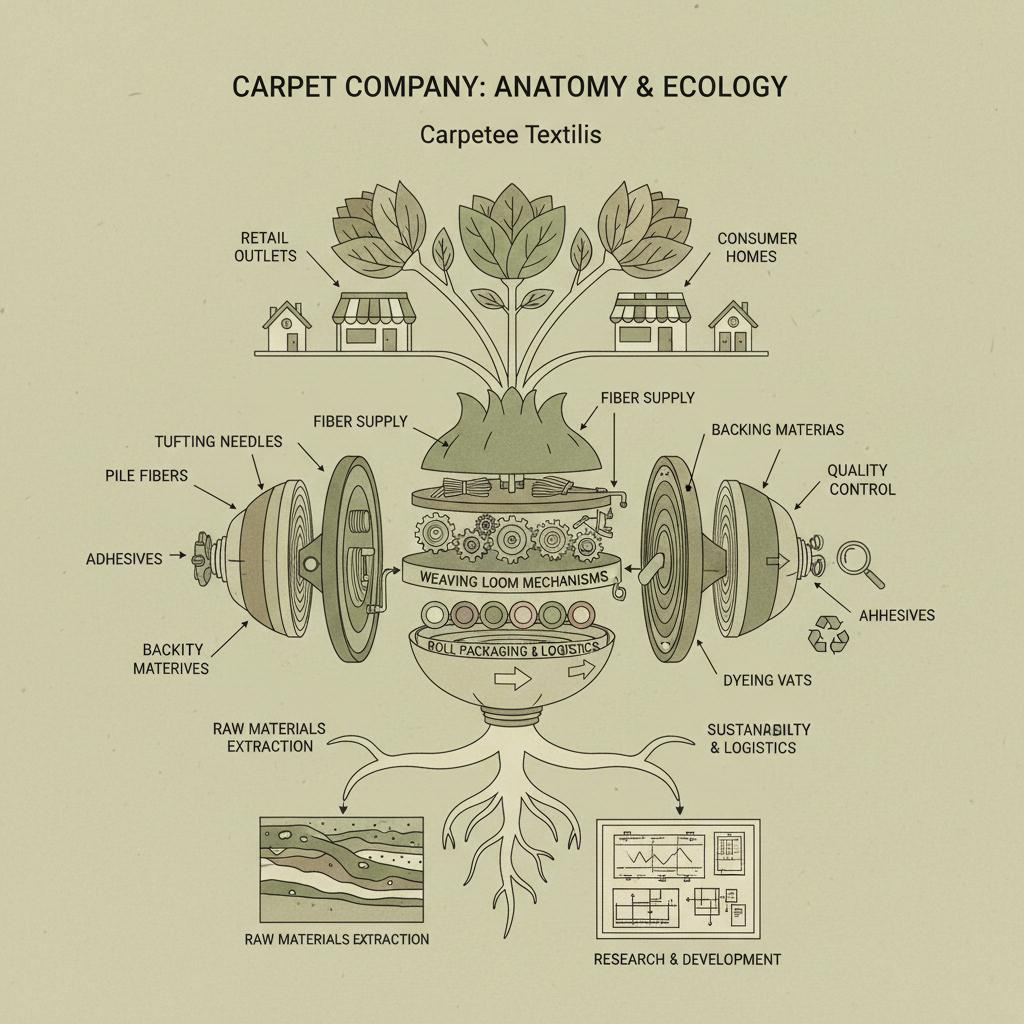
The way a carpet is constructed significantly impacts its performance and feel. Tufting is the most common method, where fibers are punched through a backing material. It's a relatively fast and affordable process. Woven carpets, on the other hand, are created by interlacing fibers, resulting in a more durable and luxurious product. However, woven carpets are also more expensive and time-consuming to produce. You'll also encounter needle-punch carpets, where fibers are mechanically interlocked, and fusion-bonded carpets, where heat is used to bond the fibers to the backing. The construction method impacts not only durability but also the look and feel of the carpet.
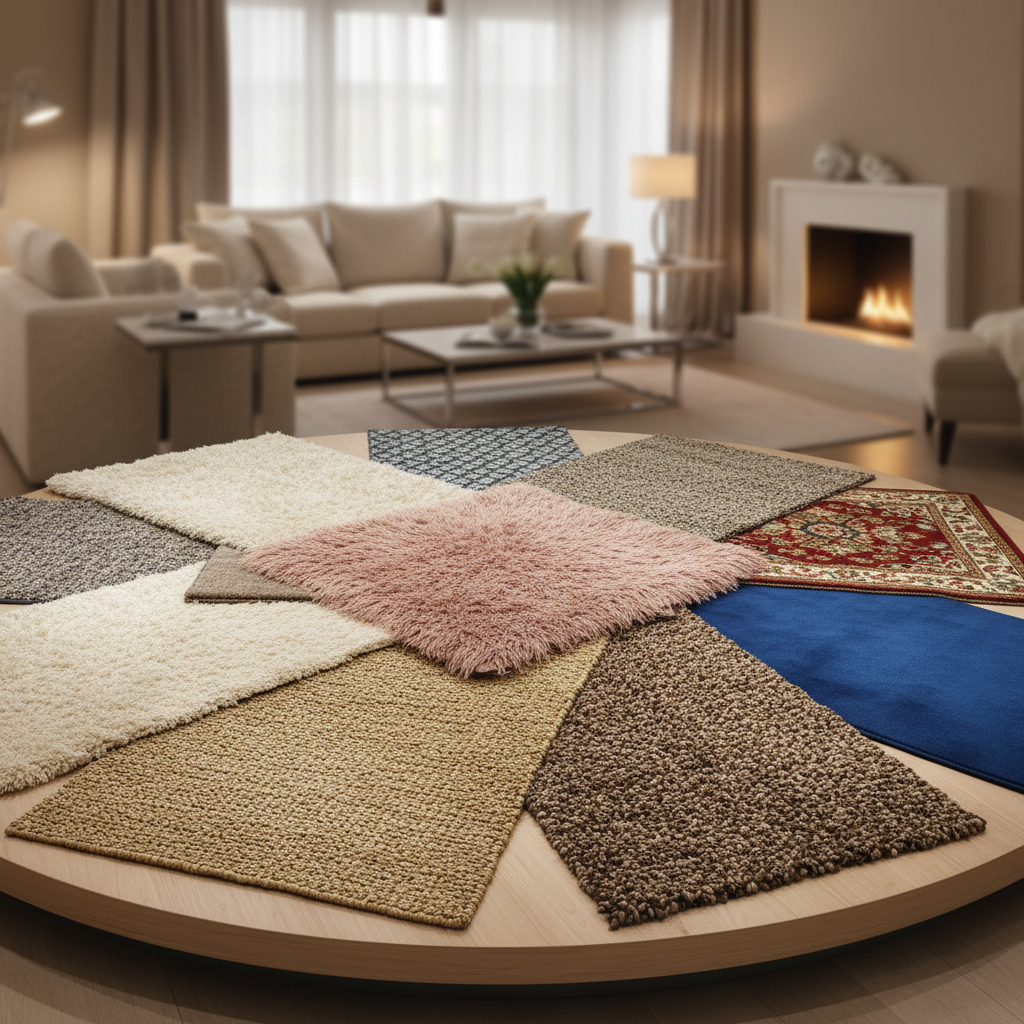
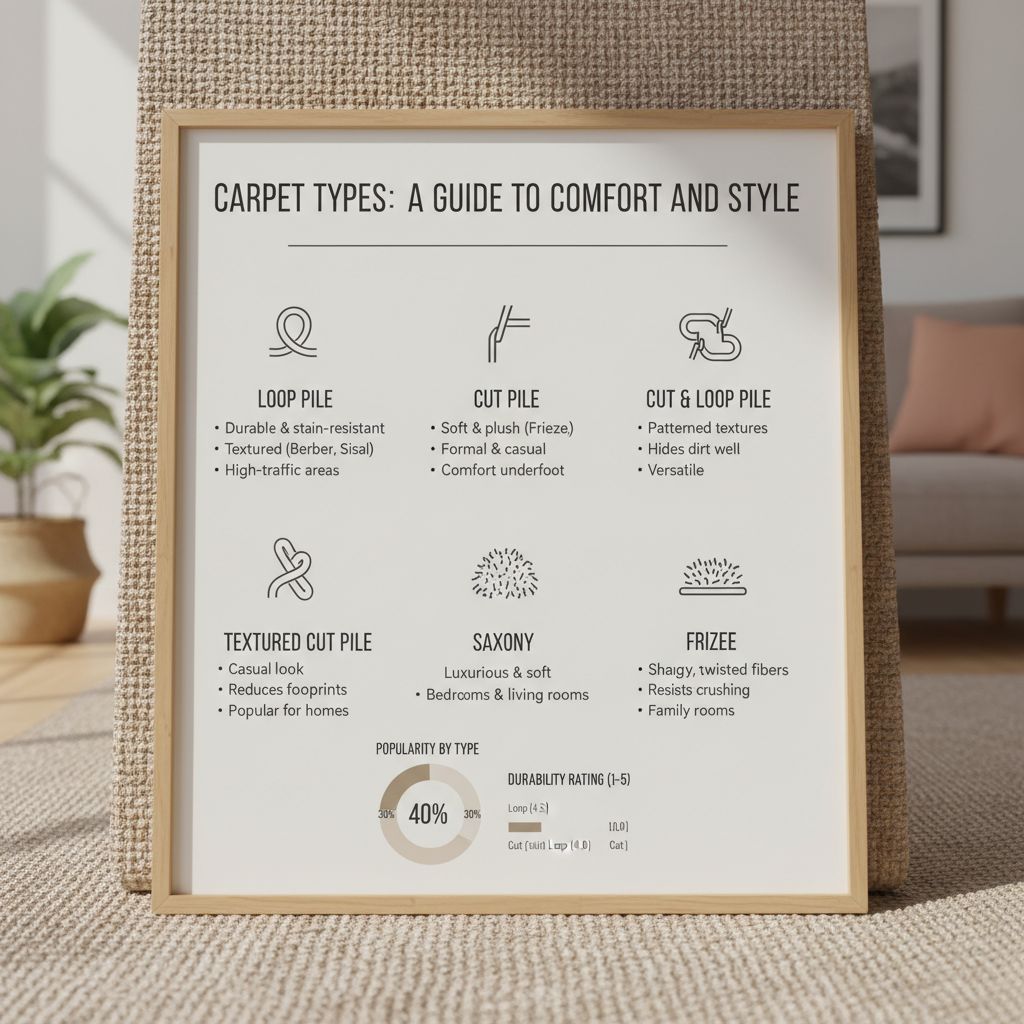
Cut pile carpets have exposed fiber ends, creating a softer, more plush feel. Loop pile carpets have uncut loops of fiber, which are more durable and stain-resistant. There are variations within these categories, such as textured cut pile, which has varying fiber heights for a more casual look, and Berber loop pile, which has a distinctive looped surface. The choice between cut pile and loop pile depends on your desired aesthetic and the level of traffic the carpet will receive. We usually steer clients towards loop pile for high-traffic areas – it just holds up better.
Finally, the backing material plays a crucial role. Common backing materials include polypropylene, jute, and synthetic rubber. The backing provides stability and prevents the carpet from unraveling. A good quality backing is essential for long-lasting performance. We’ve seen too many carpets fall apart because of a cheap backing – it’s not worth saving a few bucks on.
Durability and Performance Characteristics
Assessing durability is about more than just the fiber type. It's a combination of fiber quality, construction method, density, and pile height. We often look at wear testing results – like the Taber abrasion test – to get an idea of how well a carpet will hold up to foot traffic. A higher Taber rating indicates better abrasion resistance. But lab tests don’t always tell the whole story; real-world performance is what matters most. That's why we rely on our own experience and feedback from clients.
Other important performance characteristics include stain resistance, crush resistance, and colorfastness. Stain resistance is particularly important in homes with children or pets. Crush resistance refers to the carpet’s ability to bounce back after being compressed – a crucial factor in high-traffic areas. Colorfastness is the ability to resist fading over time. These factors all contribute to the overall longevity and appearance of the carpet.
Durability Ratings of what are the different types of carpet
Applications Across Industries
The right carpet choice varies drastically depending on the application. In commercial settings like offices and hotels, durability and stain resistance are paramount. High-density nylon or solution-dyed carpets are often the preferred choice. In residential settings, comfort and aesthetics take precedence, allowing for a wider range of fiber and construction options. Healthcare facilities require carpets with antimicrobial properties to maintain hygiene. Educational institutions need carpets that can withstand heavy foot traffic and frequent cleaning. We've worked on projects across all these sectors, tailoring the carpet selection to the specific needs of each environment.
Advantages and Long-Term Value Proposition
Investing in quality carpet isn't just about aesthetics; it’s about long-term value. A well-chosen carpet can improve indoor air quality by trapping allergens and dust. It can reduce noise levels, creating a more comfortable and productive environment. It can even enhance safety by providing a softer surface to walk on. These benefits translate into cost savings over time – reduced cleaning expenses, fewer repairs, and a longer lifespan.
Beyond the practical benefits, carpet contributes to the overall aesthetic appeal of a space, creating a warm and inviting atmosphere. Choosing a sustainable carpet option demonstrates a commitment to environmental responsibility, enhancing your brand image and attracting environmentally conscious customers. It’s a holistic approach to flooring that considers both function and form.
Ultimately, the long-term value of what are the different types of carpet lies in its ability to enhance the quality of life for the people who use the space. It’s about creating a comfortable, safe, and aesthetically pleasing environment that supports productivity, well-being, and a sense of community.
Future Trends and Innovations in what are the different types of carpet
The carpet industry is constantly evolving, driven by advancements in materials science and a growing focus on sustainability. We're seeing a rise in bio-based fibers, made from renewable resources like corn and sugarcane. These fibers offer a lower environmental impact compared to traditional synthetic fibers. Recycled content carpets are also gaining popularity, utilizing post-consumer waste to create new products.
Digital printing technology is allowing for greater design flexibility, enabling customized carpet patterns and intricate designs. Smart carpets, equipped with sensors, are being developed for applications like fall detection and occupancy monitoring. These innovations are transforming the way we think about carpet, turning it from a simple flooring material into a smart, sustainable, and interactive element of the built environment.
The industry is also moving towards more transparent supply chains, with increased traceability of materials and manufacturing processes. This allows consumers to make informed choices and support companies that prioritize ethical and sustainable practices. We expect to see continued innovation in this area, with a focus on reducing the environmental footprint of carpet production and creating products that are both beautiful and responsible.
A Comparative Overview of Carpet Features
| Carpet Type |
Durability Score (1-10) |
Maintenance Level (1-5) |
Cost Range (per sq ft) |
| Nylon |
9 |
3 |
$3 - $7 |
| Polyester |
6 |
2 |
$2 - $5 |
| Wool |
8 |
4 |
$5 - $12 |
| Olefin |
7 |
2 |
$1 - $4 |
| Triexta |
7 |
3 |
$3 - $6 |
| Berber |
8 |
3 |
$2 - $7 |
FAQS
For high-traffic areas, nylon consistently ranks as the most durable carpet fiber. Its excellent resilience and stain resistance make it ideal for commercial settings or busy households. Olefin is also a good option, particularly for areas prone to moisture. We've seen both hold up incredibly well over the years, but nylon generally has a longer lifespan and maintains its appearance better under heavy use. Choosing the right density and pile height alongside the fiber type is also critical for maximizing durability.
Carpet pile height significantly impacts both comfort and durability. Shorter piles (under 1/2 inch) are generally more durable, easier to clean, and better for high-traffic areas. Longer piles (over 1/2 inch) offer a more luxurious feel and are better suited for bedrooms or low-traffic areas. Consider your lifestyle and the intended use of the space when making your decision. A low pile is much easier to vacuum and keep clean, while a high pile can get matted down more quickly.
Solution-dyed carpet is manufactured with color added to the fiber itself, rather than applied to the surface. This makes it incredibly stain-resistant and colorfast, as the color won't fade or bleed even with harsh cleaning agents. It’s a great option for homes with children or pets. Solution dyeing is a more environmentally friendly process as it uses less water. It’s also more durable long-term than carpets where color is applied topically.
Carpet backing is extremely important. It provides the structural foundation for the carpet and prevents it from unraveling. Cheaper backings can deteriorate over time, leading to delamination and premature wear. Look for carpets with a robust backing material, such as synthetic rubber or a woven polypropylene backing. The backing directly affects the overall lifespan and performance of the carpet – don’t skimp on this!
Yes, wool is generally considered a sustainable choice, as it’s a natural, renewable resource. However, it's important to consider the sourcing and manufacturing processes. Look for wool carpets that are certified by organizations like Woolmark, which ensure ethical and sustainable farming practices. Wool is also biodegradable, reducing its environmental impact at the end of its life. However, wool has a higher price point and may require more specialized cleaning.
Carpet off-gassing refers to the release of volatile organic compounds (VOCs) from the carpet materials. To minimize this, look for carpets that are certified by organizations like Green Label Plus, which indicates low VOC emissions. Proper ventilation after installation is also crucial. Consider natural fiber options like wool or sisal, which generally have lower VOC levels. Allowing the carpet to air out before installation can also help reduce off-gassing.
Conclusion
Ultimately, choosing the right carpet is a nuanced process that requires careful consideration of fiber type, construction method, durability, and your specific needs. There’s no one-size-fits-all answer; the best carpet for you will depend on your budget, your lifestyle, and the intended use of the space. Understanding the intricacies of what are the different types of carpet empowers you to make informed decisions and invest in a flooring solution that will provide years of comfort, beauty, and value.
As the industry continues to evolve, with a growing focus on sustainability and innovation, it’s more important than ever to stay informed. Exploring new materials, construction techniques, and eco-friendly options will not only enhance your flooring choices but also contribute to a more sustainable future. Don’t hesitate to consult with a flooring professional to get personalized advice and ensure you select the perfect carpet for your project. Visit our website at what are the different types of carpet to learn more.