close
Mon to Saturday : 8:00 am - 7:00 pm
language
0%

Table of Contents

Honestly, things have been moving fast in the industrial connector space lately. Everyone's chasing miniaturization, higher data rates, and ruggedization – the usual suspects. But it’s not just about specs on a datasheet, you know? It's about what actually works when you're up to your elbows in grease and dealing with a deadline.

I've been seeing a lot of these push-in connectors popping up, marketed as time-savers. And yeah, they can be, but… have you noticed how easily the locking mechanism can get gummed up with dust and grime on a real job site? It's a small thing, but it can lead to a lot of frustration. The fancy lab tests never seem to account for that kind of real-world mess.

We’re mostly dealing with a mix of materials. The housings are typically PA66 – pretty standard, smells like slightly burnt plastic when you machine it – feels smooth but gets slippery with oil. Contacts are usually brass, plated with gold or tin. The gold-plated ones feel… well, they feel expensive, you know? But the tin-plated ones are surprisingly durable. We’ve started using some silicone rubber for sealing, especially in the outdoor-rated connectors. That stuff is sticky, though. Gets everywhere. Anyway, I think the material choice is really critical.
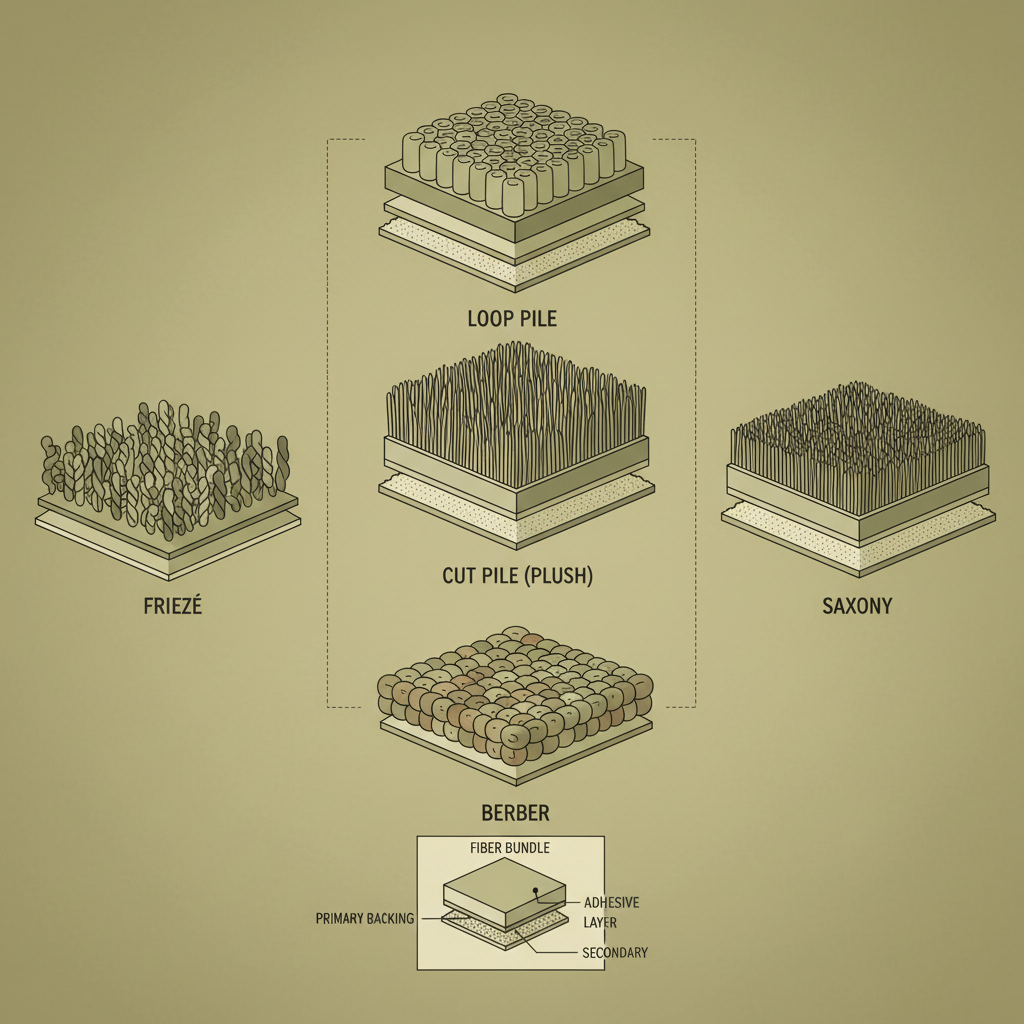
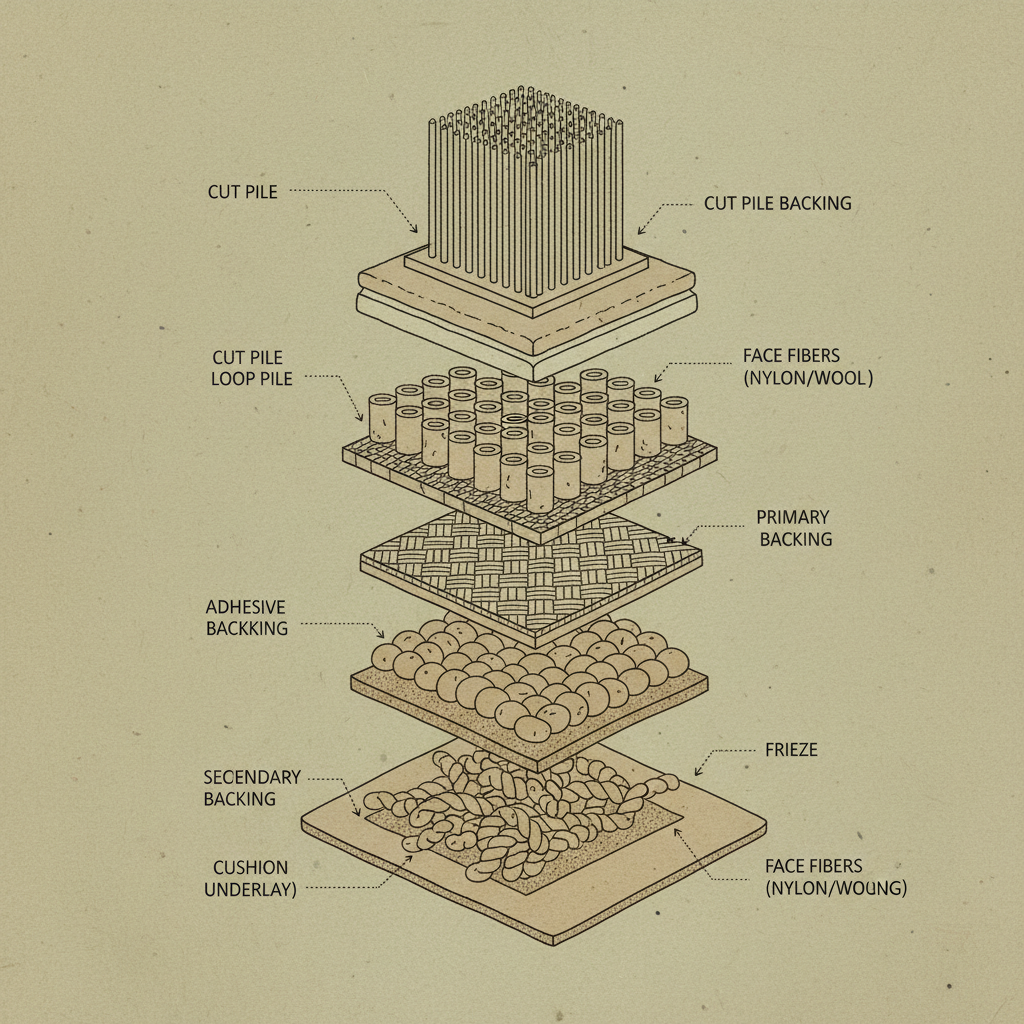
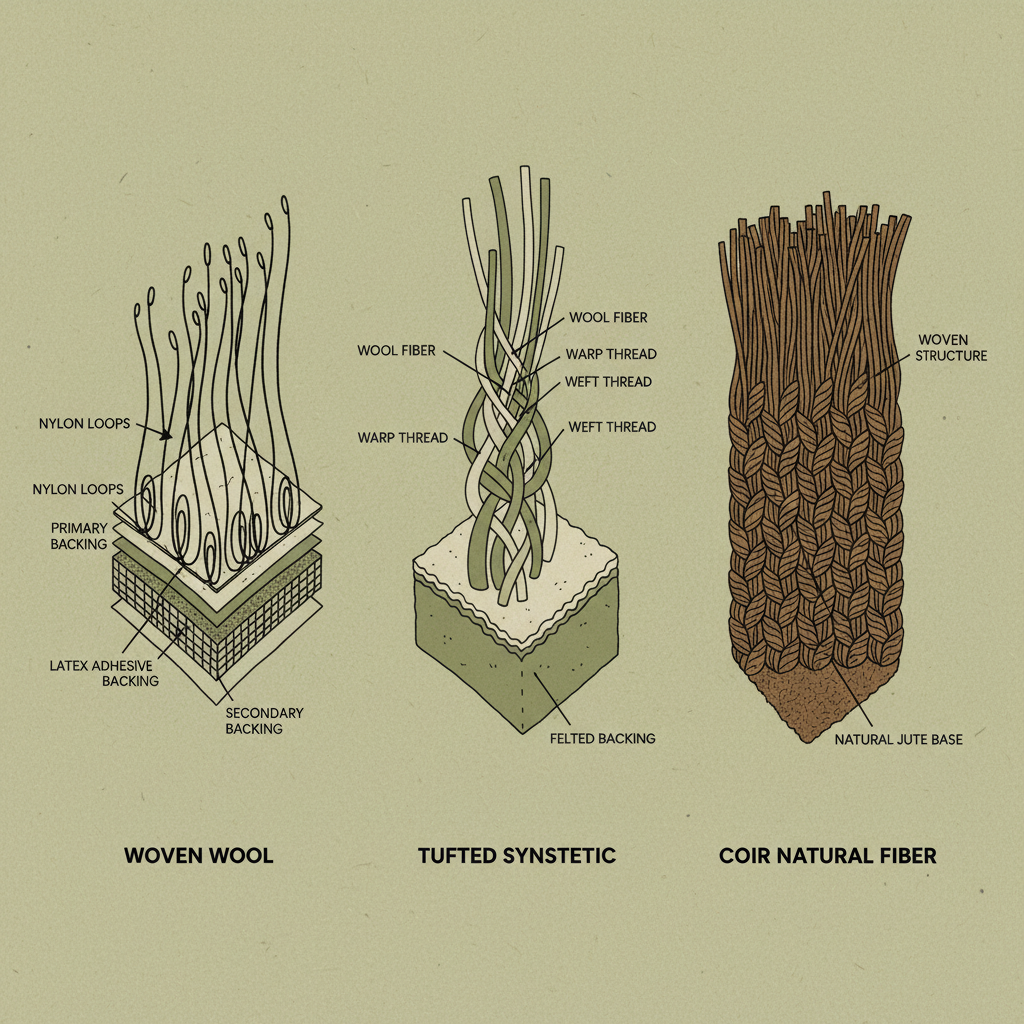
Exploring Different Types of Carpet Flooring and Industrial Connector Reliability

Industry Trends and Common Pitfalls

Exploring Different Types of Carpet Flooring and Industrial Connector Reliability

To be honest, everyone's obsessed with smaller and smaller connectors. But shrinking things down too much often means sacrificing robustness. I encountered this at a factory in Dongguan last time; they were trying to push a really tiny circular connector, and the contacts were bending just from plugging it in. Strangely, they thought it was a manufacturing defect, but it was just… physics. It's a trade-off, always.

Another thing I’m seeing is more demand for IP67 and IP68 rated connectors – water and dust resistance. That's good, of course, but it adds complexity and cost. And a lot of the time, the end-user doesn’t actually need that level of protection. They just want something that “feels” rugged. Marketing wins again, I guess.

Material Deep Dive: Feel, Smell, and Handling

You really learn a lot about materials when you're handling them all day. Like, the difference between a good PA66 and a cheap one isn’t just about the specs, it’s about how it feels when you tighten the screws. The good stuff feels… solid. The cheap stuff feels brittle. And the smell, don't even get me started.

The contact materials are interesting too. Gold plating is great for corrosion resistance, but it's soft. So it wears down faster. Tin plating is harder, but it oxidizes. It's all about finding the right balance for the application. We've been experimenting with some nickel underplating to improve the tin's corrosion resistance. Early results are promising.

And the silicone rubber… Oh, that stuff. It's amazing for sealing, but it attracts dust like nobody’s business. And it's a pain to clean. I swear, I find silicone rubber in my pockets at the end of every day.

Real-World Testing and Reliability

Forget the lab tests, honestly. They’re good for basic verification, sure, but they don’t tell you how something will hold up in the real world. We do a lot of drop tests, vibration tests, and thermal cycling, but we also take samples out to actual construction sites and let the workers abuse them.

I remember one time, we sent a batch of our waterproof connectors to a marine installation. A week later, we got a call from the foreman. He said the connectors were working fine, but they were covered in barnacles. Barnacles! That's not a test case you plan for.

We also stress-test the connectors by repeatedly plugging and unplugging them. A lot. It sounds simple, but it’s a surprisingly effective way to identify weak points in the design. You'd be surprised how many connectors fail after just a few hundred cycles.

User Behavior: It's Not Always What You Expect

Have you noticed that users rarely read the instructions? Seriously. They just grab the connector and start jamming it into whatever they're trying to connect. So, even if you design a perfectly intuitive connector, it’s going to get misused. You have to design for stupidity, basically.

Another thing is that they often overtighten the screws. They think if they tighten it harder, it'll be more secure. It’s not true, of course. It just strips the threads. We’ve started incorporating torque-limiting features into some of our connectors to prevent that. It adds cost, but it saves headaches in the long run.

Connector Failure Rate by Type


Advantages, Disadvantages, and Customization

The big advantage of these modern connectors is speed. Faster assembly, faster maintenance. But that comes at a cost. They’re often more expensive than traditional connectors, and they can be more sensitive to environmental factors. It's a trade-off, like always.

And they're not always the best choice. For example, if you need a really secure connection, a traditional screw-terminal connector is still the way to go. There’s just nothing that beats the mechanical strength of a properly tightened screw.

A Customer Story: Shenzhen and the Debacle

Last month, that small boss in Shenzhen who makes smart home devices insisted on changing the interface to . He said it was “more modern.” I tried to explain the vibration issues, the potential for dust ingress, the fact that it wasn’t designed for industrial applications… but he wouldn’t listen.

He wanted it to look sleek and consumer-friendly. So, we built it. Two weeks later, he called me, furious. Turns out, the connectors were failing left and right. The vibration from the manufacturing line was wreaking havoc. He ended up having to switch back to a more robust connector, and he lost a ton of time and money. It’s frustrating, you know? I tell these guys what they need, and they still want to reinvent the wheel.

Anyway, I think the lesson there is: don't prioritize aesthetics over functionality. Especially in industrial applications.

Connector Performance Summary

Connector Type Durability (1-10) Cost (1-10) Ease of Use (1-10)
Circular Connectors 8 6 7
Rectangular Connectors 7 5 8
Push-In Connectors 5 4 9
Waterproof Connectors 9 8 6
High-Density Connectors 6 7 5
Screw-Terminal Connectors 10 3 4

FAQS

What's the biggest mistake people make when selecting industrial connectors?

Honestly, it’s chasing the lowest price. They see a connector that's half the cost of ours and think it's a great deal. But it almost always ends up costing them more in the long run, with failures, downtime, and rework. You get what you pay for, especially with these things.

How important is IP rating in real-world applications?

It depends. If you’re building something for marine applications or outdoor use, it's critical. But for a lot of factory automation stuff, it’s overkill. People often get caught up in the numbers and forget to consider the actual environment. A little dust isn't going to ruin everything.

What are some upcoming trends in connector technology?

Miniaturization continues, of course. We're also seeing more demand for connectors with integrated sensors for monitoring things like temperature and vibration. And there's a lot of interest in smart connectors that can communicate data back to a central system. It's getting complicated!

Can connectors be customized for specific applications?

Absolutely. We've done everything from changing the color of the housings to adding custom labels to modifying the contact arrangements. One customer in Germany wanted us to add a grounding strap to a connector for a high-voltage application. It was a pain to engineer, but we got it done.

What’s the best way to test a connector’s reliability?

Take it to the field. Seriously. Send it to a construction site, a factory, a marine installation, wherever it's going to be used. Let the real world beat it up. That’s the only way to truly know if it's going to hold up.

How do you balance cost and performance when designing a connector?

It’s a constant struggle. You always want to use the best materials and the most advanced features, but you also have to keep the price reasonable. It’s about finding the sweet spot where you get enough performance for the application without breaking the bank. And sometimes, that means sacrificing a few bells and whistles.

Conclusion

Ultimately, there's a lot more to industrial connectors than just specs and marketing hype. It's about understanding the real-world conditions, the user behavior, and the trade-offs between cost, performance, and reliability. You can design the most beautiful, high-tech connector in the world, but if it doesn’t hold up on the job site, it’s worthless.

And let's be real, the worker tightening that last screw, covered in dirt and sweat, he's the one who really determines whether it works or not. That’s the final test. You can build it in the lab, design it on a computer, but the final answer always comes down to that one simple action. Visit our website at different types of carpet flooring to explore our range of robust connector solutions.


Julian Vance

Julian Vance

Julian Vance is the Lead Designer for Hebei Yihao Home Furnishings. He's a veteran of the design world, bringing over 20 years of experience to the company. Julian’s expertise lies in translating vintage aesthetics into contemporary carpet designs, as evidenced by the successful launch of the vintage-inspired carpet collection. He
Previous Understanding Types of Carpet Piles for Optimal Flooring Solutions
Next Exploring Modern Carpet Types and Installation Considerations
Can't Find The Carpets Wholesale And Services You Need?
If you need our help,
Our staff will be happy to help and answer your questions!
Variety

Variety

Carpets come in a wide range of colors, patterns, and textures to suit different styles and preferences.
Softness

Softness

They offer a plush, soft feel underfoot, adding comfort to any room.
Durability

Durability

Quality carpets are designed to withstand heavy foot traffic and last for years with proper care.
Maintenance

Maintenance

Carpets require regular cleaning, such as vacuuming and occasional deep cleaning, to maintain their appearance and hygiene.

Contact Us

Email: 1036673511@qq.com

Phone:15731954866

Cooperation

Email:1036673511@qq.com

Phone:15731954866

Address

Floor 724 ,Building 7, No. 10, Tatan International Trade City, 118 Shengli South Street, Qiaoxi District, Shijiazhuang City, Hebei Province

Business Hours

Mon to Saturday : 8:00 am - 7:00 pm

Sunday & Holidays : Closed

If you are interested in our products, you can choose to leave your information here, and we will be in touch with you shortly.