The world of interior design is constantly evolving, and at its foundation lies the choice of flooring. Among the myriad options available, carpets remain a perennial favorite, offering comfort, style, and a touch of warmth to any space. Understanding the diverse world of popular carpet types is crucial for homeowners, designers, and builders alike. This knowledge empowers informed decisions, ensuring optimal performance, longevity, and aesthetic appeal.
The global carpet market is a multi-billion dollar industry, reflecting the widespread demand for this versatile flooring solution. According to industry reports, the Asia-Pacific region currently dominates the market, fueled by rapid urbanization and increasing disposable incomes. However, demand is consistently high across North America and Europe, driven by renovation projects and new construction. Choosing the right type of carpet is more than just aesthetics; it impacts indoor air quality, energy efficiency, and overall living comfort.
Selecting the ideal carpet requires navigating a landscape of fibers, constructions, and styles. Popular carpet types range from luxurious wools and resilient synthetics like nylon and polyester to innovative blends offering the best of both worlds. Understanding these options, their unique properties, and their suitability for various applications is key to making a successful and satisfying choice. This knowledge is fundamental to creating functional and aesthetically pleasing interior spaces.
The Significance of Understanding Popular Carpet Types
The selection of a carpet isn't merely an aesthetic decision; it’s an investment that impacts the comfort, functionality, and value of a space. A thorough understanding of popular carpet types allows consumers and professionals to make informed choices tailored to specific needs and environments. From high-traffic areas requiring durability to bedrooms prioritizing softness, the right carpet enhances the overall quality of life.
Furthermore, advancements in carpet technology and sustainability are continuously reshaping the industry. Being aware of these innovations—such as recycled fibers, hypoallergenic options, and stain-resistant treatments—empowers individuals to choose environmentally responsible and health-conscious flooring solutions. This awareness translates to long-term benefits for both the user and the planet.
Defining Popular Carpet Types
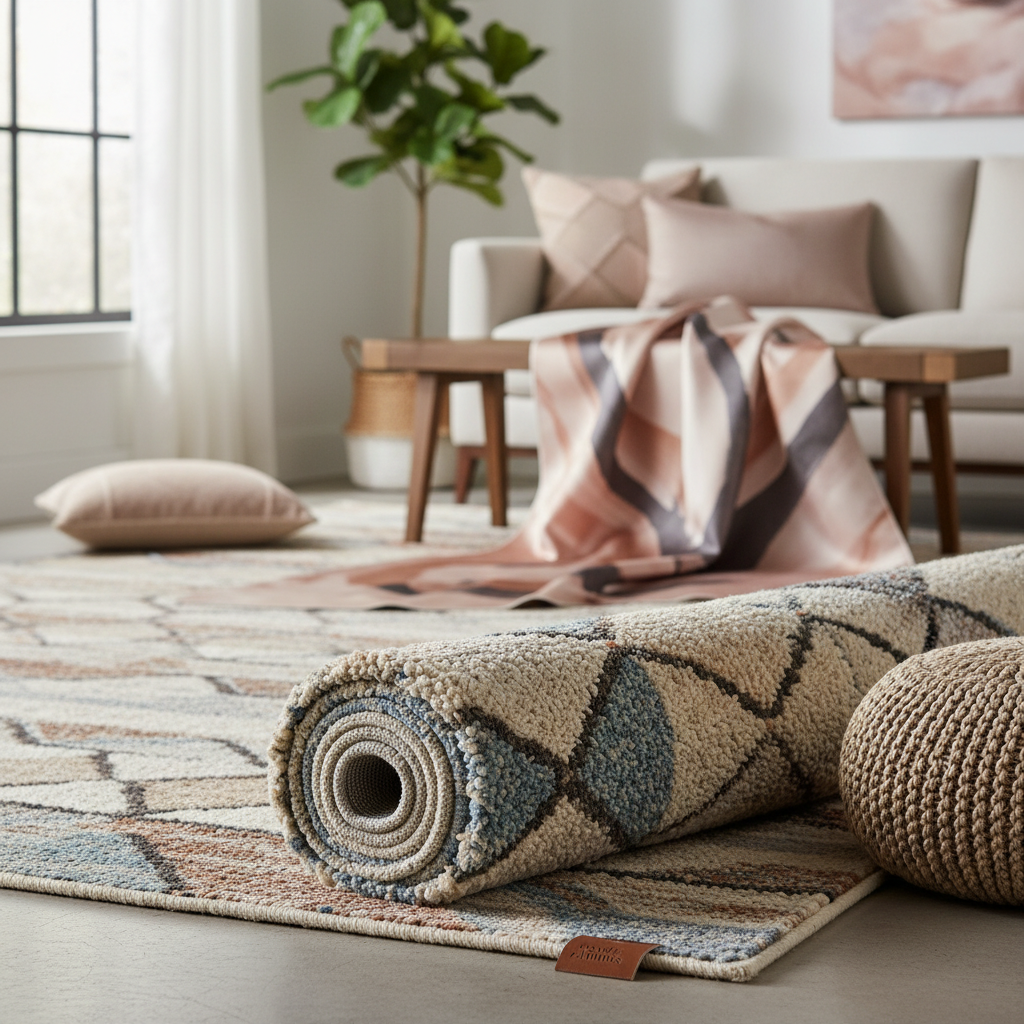
Popular carpet types encompass a broad spectrum of materials, constructions, and styles. Fundamentally, a carpet is a textile floor covering consisting of an upper layer of pile attached to a backing. The ‘pile’ is what you walk on and is determined by the fiber type and how it’s woven, tufted, or knitted. Different fibers, like nylon, polyester, wool, and olefin, each possess unique characteristics influencing durability, stain resistance, and feel.
The construction method – whether it’s loop pile, cut pile, or a combination – significantly impacts the carpet's appearance and performance. Loop pile carpets are known for their durability and resistance to crushing, making them suitable for high-traffic areas. Cut pile carpets, on the other hand, offer a softer, more luxurious feel. Understanding these construction nuances is vital when selecting the optimal carpet for a particular space.
Ultimately, defining popular carpet types isn't about a rigid categorization, but rather recognizing the interplay between material, construction, and style to meet specific requirements. It's about aligning the technical properties of the carpet with the aesthetic and functional needs of the environment.
Core Components of Popular Carpet Types
Several key factors determine the quality and suitability of popular carpet types. Firstly, fiber type plays a crucial role. Nylon excels in durability and resilience, making it ideal for high-traffic areas. Wool offers exceptional softness, natural stain resistance, and a luxurious feel, though it comes with a higher price tag. Polyester provides affordability and good stain resistance, but may not be as durable as nylon.
Secondly, pile height and density are significant. Higher pile carpets generally offer greater comfort and a more luxurious feel, but can be more prone to matting. Higher pile density indicates more fibers per square inch, resulting in increased durability and resilience. These two factors work together to determine the carpet’s overall performance and longevity.
Thirdly, backing material contributes to the carpet's stability and lifespan. Common backing materials include woven polypropylene, jute, and synthetic rubber. The backing provides structural support and helps prevent the carpet from unraveling. Finally, construction method—loop pile, cut pile, or woven—dictates the carpet's texture, appearance, and wear characteristics.
Applications Across Diverse Industries
The versatility of popular carpet types leads to widespread applications across numerous industries. In the hospitality sector, carpets contribute to a welcoming and comfortable atmosphere in hotel lobbies, guest rooms, and corridors, often utilizing durable nylon or wool blends. Retail spaces leverage carpet to define zones, enhance aesthetics, and create a more inviting shopping experience.
Educational institutions benefit from carpets that provide sound absorption and a comfortable learning environment. These often feature solution-dyed nylon for its stain resistance and durability. Healthcare facilities prioritize hygiene and comfort, frequently opting for low-VOC carpets with antimicrobial properties. In residential settings, carpets are employed to add warmth, comfort, and style to living rooms, bedrooms, and home offices.
Carpet Type Performance in Different Applications
Advantages and Long-Term Value Proposition
Investing in quality popular carpet types provides a wealth of advantages extending beyond initial comfort and aesthetics. From a cost perspective, carpets often represent a more affordable flooring option compared to hardwood or tile, especially considering installation costs. Furthermore, carpets offer superior thermal insulation, reducing energy bills and contributing to a more sustainable home.
The long-term value proposition is amplified by advancements in stain-resistant technologies and durable fiber constructions. Modern carpets can withstand years of heavy foot traffic and resist everyday spills, minimizing the need for frequent replacements. This not only saves money but also reduces environmental impact by decreasing landfill waste. The inherent sound-absorbing qualities of carpets also contribute to a quieter, more peaceful living or working environment.
Future Trends Shaping the Carpet Industry
The carpet industry is witnessing a surge in innovation, driven by growing consumer demand for sustainable and technologically advanced flooring solutions. Recycled content is becoming increasingly prevalent, with manufacturers utilizing post-consumer plastics and other waste materials to create eco-friendly carpets. Bio-based fibers, derived from renewable resources like corn and sugarcane, are also gaining traction.
Smart carpets equipped with sensors are emerging as a cutting-edge trend. These carpets can monitor foot traffic, detect moisture levels, and even adjust temperature based on occupancy. Digital printing technologies are enabling greater customization and design flexibility, allowing consumers to create truly unique and personalized carpets. These innovations signify a shift towards more intelligent, sustainable, and tailored flooring options.
Furthermore, advancements in antimicrobial treatments and hypoallergenic fibers cater to health-conscious consumers, offering improved indoor air quality and reduced allergy risks. The future of carpets lies in seamlessly integrating technology, sustainability, and design to create flooring solutions that enhance both functionality and well-being.
Addressing Challenges and Innovative Solutions
Despite the numerous benefits, the carpet industry faces challenges related to environmental impact, maintenance, and perception. Traditional carpet manufacturing can be resource-intensive, and concerns exist regarding volatile organic compound (VOC) emissions. However, manufacturers are actively addressing these issues through the adoption of sustainable practices and the development of low-VOC products.
Maintenance can be another challenge, as carpets require regular cleaning to prevent dirt and allergens from accumulating. Innovative cleaning technologies, such as robotic vacuum cleaners and self-cleaning carpets, are offering convenient solutions. Addressing the perception of carpets as being less hygienic than hard flooring surfaces requires educating consumers about the effectiveness of modern cleaning methods and antimicrobial treatments.
The development of closed-loop recycling systems, where old carpets are broken down and repurposed into new products, represents a significant step towards a more circular economy. By embracing innovation and prioritizing sustainability, the carpet industry can overcome these challenges and ensure a brighter future for this versatile flooring solution.
Key Comparison of Popular Carpet Types and Their Sustainability Aspects
| Carpet Fiber Type |
Durability Score (1-10) |
Recyclability Potential |
Environmental Impact Score (1-10, Lower is Better) |
| Nylon |
9 |
Moderate (Can be recycled, but requires specialized facilities) |
6 |
| Polyester |
7 |
High (Often made from recycled plastic bottles) |
4 |
| Wool |
8 |
Biodegradable (Natural Fiber) |
5 |
| Olefin (Polypropylene) |
6 |
Low (Difficult to recycle) |
7 |
| Triexta (PTT) |
8 |
Moderate (Similar to Polyester) |
5 |
| Sisal |
5 |
Biodegradable (Natural Fiber) |
3 |
FAQS
For high-traffic areas like hallways and living rooms, nylon is generally considered the most durable carpet fiber. Its inherent resilience and resistance to crushing make it capable of withstanding constant foot traffic without showing signs of wear and tear. Solution-dyed nylon is particularly recommended, as the color is locked into the fiber, preventing fading. A tightly woven or tufted construction will also contribute to longevity.
The frequency of professional carpet cleaning depends on several factors, including foot traffic, the presence of pets and children, and your lifestyle. As a general guideline, most carpets benefit from professional cleaning every 12-18 months. However, high-traffic areas or homes with pets may require cleaning every 6-12 months to maintain optimal hygiene and appearance. Regular vacuuming is essential in between professional cleanings.
Wool carpet can be a good choice for allergy sufferers, as it naturally traps dust, pollen, and other allergens. However, it’s important to ensure the carpet is properly cleaned and maintained to prevent allergen buildup. Wool also has natural antimicrobial properties that inhibit the growth of mold and mildew. Look for wool carpets with certifications indicating low VOC emissions.
Cut pile carpets have fibers that are cut at the ends, resulting in a softer, more luxurious feel. Common cut pile styles include plush, Saxony, and frieze. Loop pile carpets, on the other hand, have fibers that loop back into the backing, creating a durable, textured surface. Berber is a popular loop pile style. Loop pile carpets are generally more resistant to crushing and staining than cut pile.
Yes, many eco-friendly carpet options are available. These include carpets made from recycled materials (such as recycled plastic bottles), carpets made from natural fibers like wool and sisal, and carpets with low VOC emissions. Look for carpets with certifications from organizations like Green Label Plus, indicating adherence to strict environmental standards. Sustainable backing materials are also an important consideration.
Protecting your carpet from stains involves a combination of preventative measures and prompt action. Applying a stain protector after installation can create a barrier against spills. Regularly vacuuming to remove dirt and debris is crucial. Address spills immediately by blotting (not rubbing) with a clean cloth and appropriate cleaning solution. Consider using area rugs in high-traffic areas to provide extra protection.
Conclusion
In conclusion, navigating the world of popular carpet types requires a comprehensive understanding of fiber properties, construction methods, and application-specific requirements. By carefully considering these factors, homeowners and professionals can select carpets that enhance comfort, durability, and aesthetic appeal while minimizing environmental impact. From resilient nylons to luxurious wools and innovative recycled options, the possibilities are diverse.
As technology continues to advance and sustainability becomes increasingly paramount, the future of the carpet industry promises even more innovative and eco-conscious solutions. Embracing these advancements and prioritizing informed decision-making will ensure that carpets continue to serve as a cornerstone of comfortable, stylish, and sustainable interior design for years to come. Visit our website at www.yigoodhome.com to explore our extensive collection of carpets.