Understanding the diverse types of residential carpet is crucial for homeowners, designers, and builders alike. Carpet remains a dominant flooring choice globally, offering comfort, warmth, and aesthetic appeal. Selecting the appropriate carpet type significantly impacts not only the look and feel of a space but also its durability, maintenance requirements, and overall cost. Navigating the options can be complex, with advancements in materials and manufacturing continually introducing new possibilities.
The global carpet market is substantial, with a projected value exceeding $60 billion by 2028 (source: Grand View Research). This demand is driven by increasing construction activity, rising disposable incomes, and a renewed focus on home improvement. However, concerns regarding environmental impact and sustainability are growing, pushing manufacturers to explore eco-friendly materials and production processes. The need for durable, high-performance flooring solutions continues to be a driving force in the industry.
Choosing the right types of residential carpet isn’t merely about aesthetics; it’s an investment in the long-term comfort, functionality, and value of your home. Understanding the nuances of different fibers, constructions, and styles empowers consumers to make informed decisions that meet their specific needs and lifestyle. This guide will explore the various options available, providing insights into their characteristics, advantages, and limitations.
The Importance of Understanding Types of Residential Carpet
The selection of types of residential carpet extends beyond aesthetic preferences; it's a critical decision affecting comfort, air quality, and long-term value. Different carpet fibers and constructions cater to varied lifestyles, from high-traffic family homes to serene bedrooms. A thorough understanding of these options empowers you to choose a carpet that not only looks beautiful but also meets your practical needs.
Proper carpet selection can dramatically reduce allergens, improve insulation, and enhance sound absorption within a home. Conversely, choosing an unsuitable carpet can lead to premature wear, difficult maintenance, and even health concerns. Investing time in research and understanding the characteristics of various types of residential carpet will yield substantial benefits over the lifespan of the flooring.
Defining Types of Residential Carpet
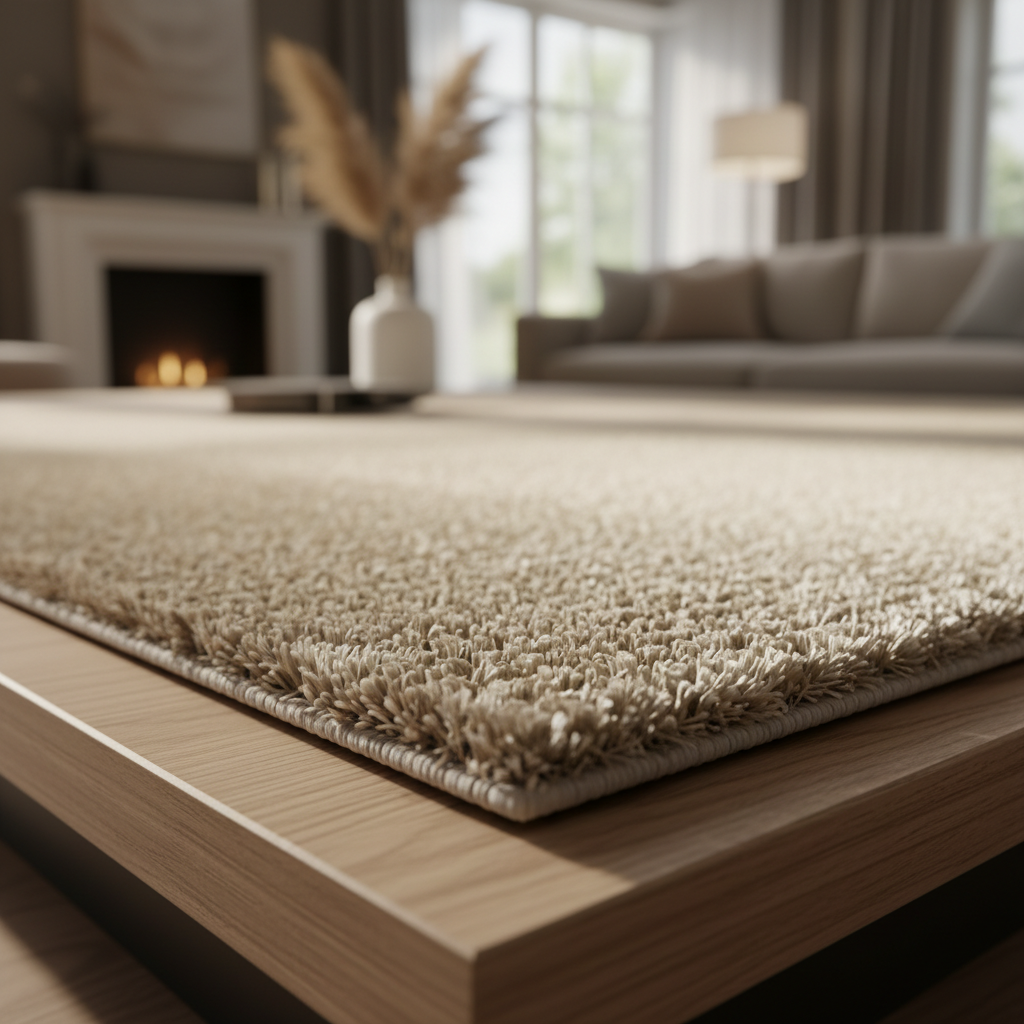
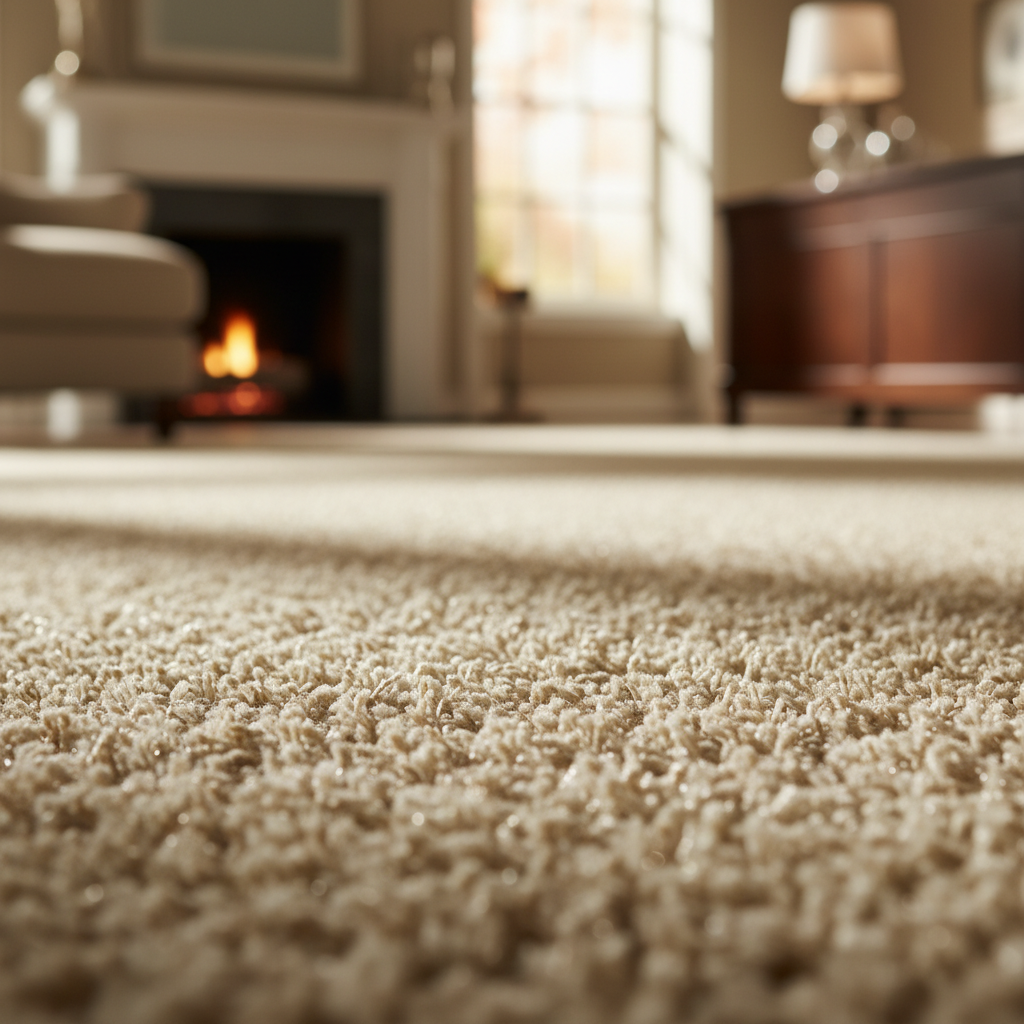
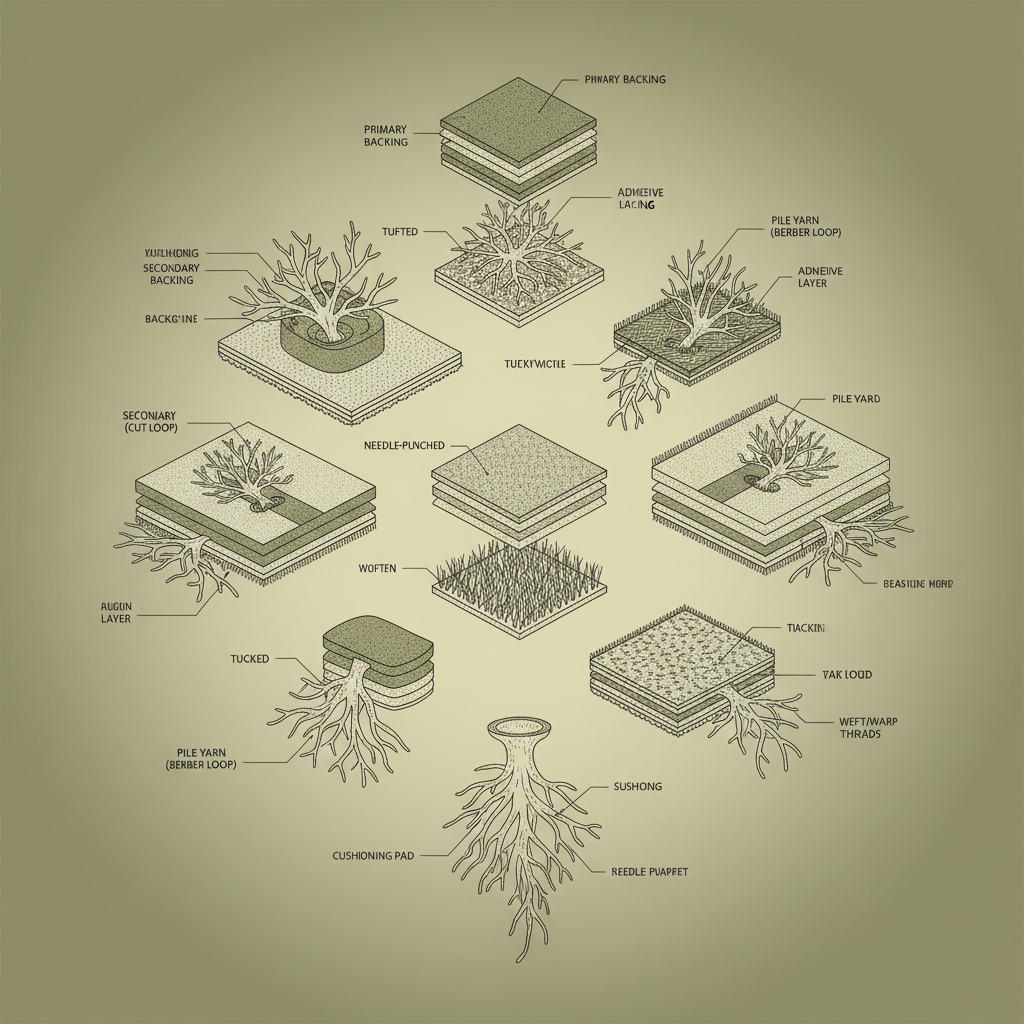
Types of residential carpet encompass a broad spectrum of materials, constructions, and styles designed to meet diverse needs and preferences. At its core, carpet is a textile floor covering typically consisting of an upper layer of pile attached to a backing. The pile can be made from natural fibers like wool and sisal or synthetic fibers like nylon, polyester, and olefin. The construction method—how the pile is attached to the backing—also significantly influences the carpet’s performance and durability.
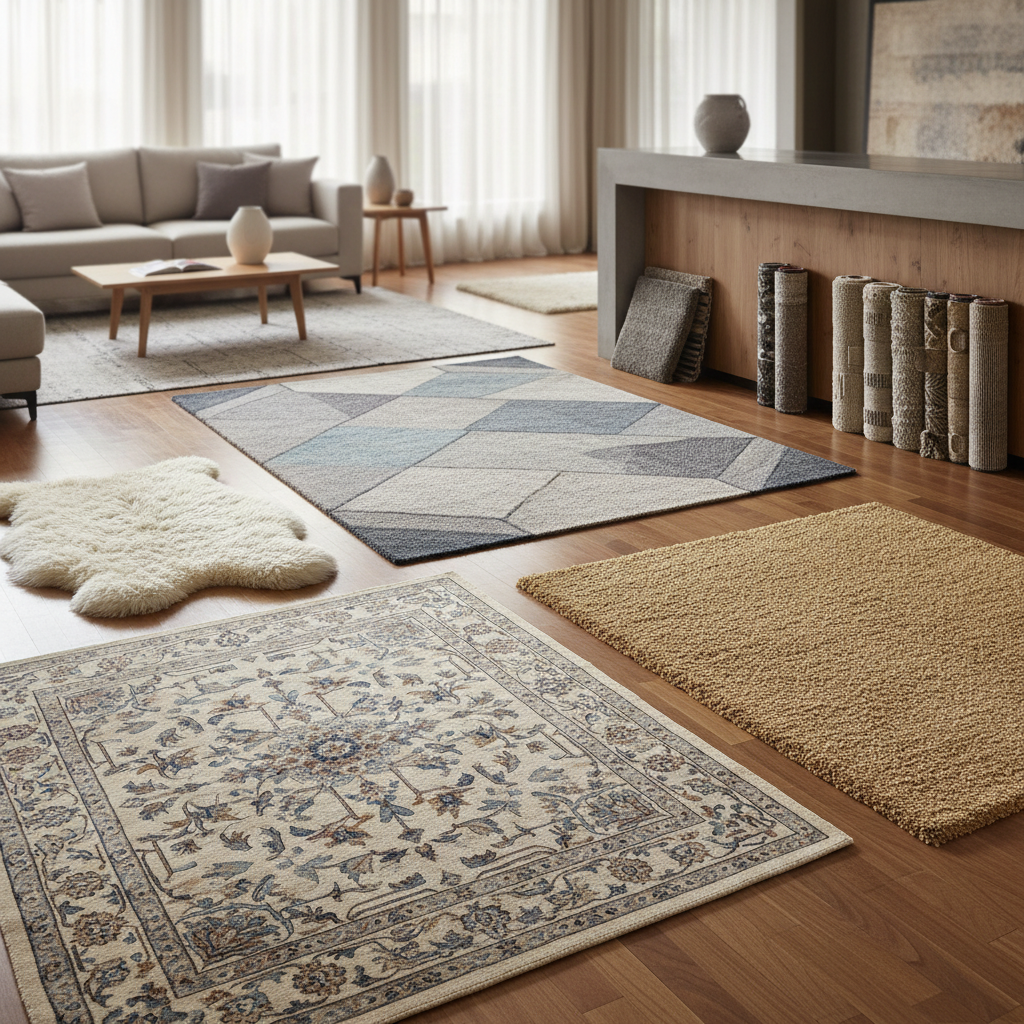
Crucially, the categorization of carpet types extends beyond just the fiber used. It also involves understanding the pile style (e.g., cut pile, loop pile, cut-loop pile), the backing material, and the density of the weave. These factors collectively determine the carpet's texture, resilience, and resistance to wear and tear.
Ultimately, defining types of residential carpet involves considering a holistic view of its composition and construction. This comprehensive approach allows homeowners and professionals to select a product perfectly suited to their specific requirements and aesthetic goals.
Key Characteristics of Residential Carpets
Several key characteristics define the performance and suitability of different types of residential carpet. Fiber type is paramount, with each material offering unique benefits and drawbacks. For example, nylon is renowned for its durability and resilience, while wool provides natural warmth and luxury. Pile style also significantly impacts the carpet's appearance and feel, with cut piles offering a softer texture and loop piles providing greater durability.
Another critical characteristic is carpet density. Higher density carpets generally exhibit greater durability and resistance to crushing, leading to a longer lifespan. Density is measured in ounces per square yard and is a key indicator of quality. Backing material also plays a role in the carpet’s stability and longevity, with some backings offering superior moisture resistance and structural support.
Finally, stain resistance is a vital consideration, particularly for households with children or pets. Many carpets are treated with stain-repellent finishes, but the effectiveness of these treatments can vary. Understanding the inherent stain resistance of different fibers and choosing appropriate protective treatments is crucial for maintaining the carpet’s appearance.
Durability and Wear Resistance in Carpet Types
Durability and wear resistance are key factors when evaluating types of residential carpet, especially in high-traffic areas. Nylon consistently ranks among the most durable synthetic fibers, offering exceptional resilience and resistance to abrasion. Polyester, while less expensive, provides good stain resistance but may be more prone to crushing under heavy use.
Wool, a natural fiber, exhibits excellent durability and resilience but requires more careful maintenance to prevent damage from moths and stains. Olefin, often used in outdoor or basement carpets, is highly resistant to moisture and mildew but lacks the luxurious feel of nylon or wool. The construction of the carpet—loop pile versus cut pile—also influences its durability, with loop piles generally being more resistant to wear.
Durability Ratings of Common Carpet Types
Global Application of Different Carpet Types
The application of different types of residential carpet varies significantly across the globe, influenced by climate, cultural preferences, and economic factors. In North America and Europe, nylon and polyester carpets are widely popular due to their affordability and durability. Wool carpets remain a premium choice, particularly in higher-end homes and hotels.
In regions with high humidity, such as Southeast Asia, olefin carpets are favored for their resistance to moisture and mildew. In the Middle East, traditional hand-knotted wool carpets hold cultural significance and are often used in luxurious residences. The trend towards sustainable flooring is driving the demand for natural fiber carpets, such as sisal and jute, in many parts of the world.
Furthermore, advancements in carpet technology are enabling tailored solutions for specific applications. For example, antimicrobial carpets are becoming increasingly popular in healthcare facilities, while sound-absorbing carpets are used in offices and theaters to improve acoustics. The global carpet market continues to evolve, driven by innovation and changing consumer demands.
Advantages of Selecting the Right Carpet
Selecting the appropriate types of residential carpet yields numerous benefits, ranging from enhanced comfort and aesthetic appeal to improved indoor air quality and energy efficiency. A well-chosen carpet can create a warm and inviting atmosphere, while also providing cushioning and reducing noise levels.
Carpets also act as natural air filters, trapping dust and allergens, which can improve indoor air quality, especially for individuals with allergies or asthma. Furthermore, carpets provide thermal insulation, reducing heat loss in the winter and keeping homes cooler in the summer, ultimately lowering energy bills. Properly installed carpet can also enhance safety by providing a non-slip surface.
Future Trends and Innovations in Carpet Technology
The future of types of residential carpet is poised for significant innovation, driven by sustainability concerns, technological advancements, and evolving consumer preferences. One emerging trend is the use of recycled materials in carpet production, such as plastic bottles and fishing nets. This reduces landfill waste and minimizes the environmental impact of carpet manufacturing.
Another area of innovation is the development of smart carpets with integrated sensors that can monitor foot traffic, temperature, and air quality. These smart carpets can provide valuable data for building management systems and enhance the overall comfort and safety of homes. Additionally, advancements in fiber technology are leading to the creation of carpets with superior stain resistance, durability, and aesthetic appeal.
Furthermore, 3D printing is emerging as a potential game-changer in carpet design, allowing for customized patterns and textures. These advancements are transforming the carpet industry, making it more sustainable, innovative, and responsive to the needs of consumers.
Assessing the Environmental Impact of Different Carpet Types
Evaluating the environmental impact of types of residential carpet is increasingly crucial as consumers prioritize sustainability. This assessment encompasses the entire lifecycle of the carpet, from raw material extraction to manufacturing, transportation, installation, and eventual disposal. Natural fiber carpets, such as wool and sisal, are generally considered more sustainable due to their renewable origins and biodegradability.
However, the production of wool can have environmental consequences, such as land degradation and greenhouse gas emissions from livestock. Synthetic carpets, while often less expensive, rely on fossil fuels and can contribute to plastic pollution. The use of recycled materials in carpet production significantly reduces its environmental footprint.
Proper disposal of carpets is also a key consideration. Landfilling carpets contributes to waste accumulation, while recycling can recover valuable materials and reduce reliance on virgin resources. Choosing carpets with eco-labels and certifications can help consumers make informed decisions and support sustainable practices.
A Comparative Analysis of Carpet Types: Sustainability, Cost, Durability, and Maintenance
| Carpet Type |
Sustainability (1-10) |
Cost (1-10) |
Maintenance Effort (1-10) |
| Nylon |
4 |
6 |
5 |
| Polyester |
3 |
5 |
4 |
| Wool |
8 |
2 |
7 |
| Olefin |
5 |
7 |
3 |
| Triexta |
6 |
6 |
4 |
| Sisal |
9 |
5 |
6 |
FAQS
Nylon consistently ranks as the most durable synthetic carpet fiber, offering exceptional resilience and resistance to abrasion. Its fibers can withstand heavy foot traffic and maintain their appearance for years. While other fibers like polyester and olefin offer affordability, nylon generally provides the best long-term performance, making it ideal for high-traffic areas.
Generally, residential carpets should be professionally cleaned every 12-18 months. However, this frequency can vary depending on foot traffic, lifestyle, and the presence of pets or children. High-traffic areas might require more frequent cleaning (every 6-12 months), while lightly used areas can be cleaned less often. Regular professional cleaning removes deeply embedded dirt and allergens, extending the carpet's lifespan.
Yes, several eco-friendly types of residential carpet are available. Options include carpets made from natural fibers like wool, sisal, and jute, as well as those made from recycled materials like plastic bottles. Look for carpets with certifications like Green Label Plus, which indicates low VOC emissions and sustainable manufacturing practices. Choosing these options reduces your environmental footprint.
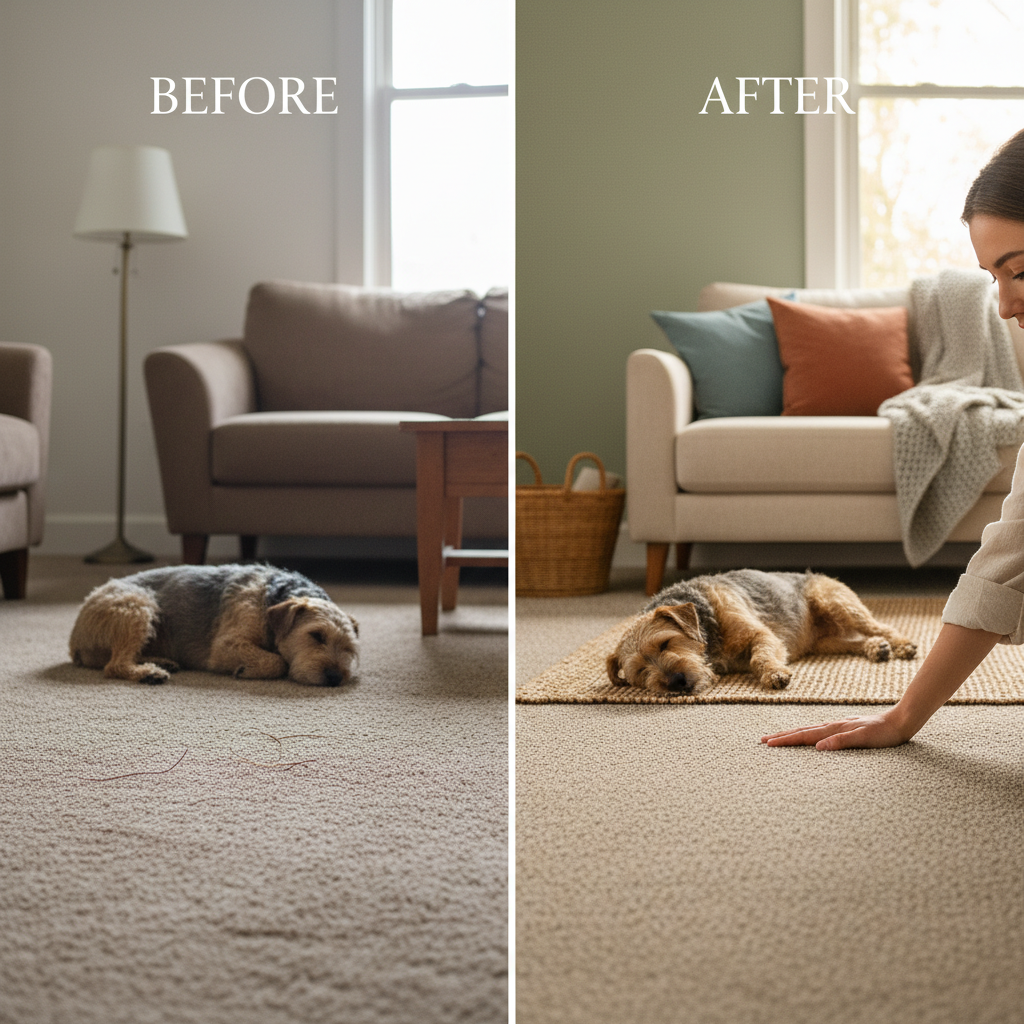
For homes with pets, stain-resistant and durable carpets are essential. Nylon and olefin are good choices, as they resist staining and scratching. Look for carpets with built-in stain protection. Also, consider carpets with a low pile, as pet hair is less likely to become embedded in shorter fibers. Regular vacuuming and prompt stain removal are crucial for maintaining a clean and hygienic environment.
Carpet pile significantly influences both comfort and wear. Cut pile carpets, with their sheared fibers, offer a softer, more luxurious feel. However, they can be more susceptible to crushing. Loop pile carpets are more durable and resistant to wear, but may not be as soft underfoot. Cut-loop pile carpets combine the benefits of both, offering a balance of comfort and durability. Selecting the right pile depends on your lifestyle and preferences.
Carpet installation costs vary based on several factors, including the carpet type, the size of the room, and the complexity of the installation. Generally, installation costs range from $3 to $8 per square foot, in addition to the cost of the carpet itself. Additional costs may include padding, removal of existing flooring, and furniture moving. Obtaining quotes from multiple installers is recommended to ensure a competitive price.
Conclusion
In conclusion, understanding the diverse types of residential carpet is essential for making informed flooring choices. From fiber composition and pile construction to durability and sustainability, each factor plays a crucial role in the performance and longevity of your carpet. By carefully considering your lifestyle, budget, and aesthetic preferences, you can select a carpet that not only enhances the beauty of your home but also provides lasting comfort and value.
As technology continues to advance, the carpet industry will undoubtedly evolve, offering even more innovative and sustainable solutions. Staying informed about these trends and embracing eco-friendly options will ensure a healthier and more responsible approach to home improvement. Visit our website at www.yigoodhome.com to explore our extensive range of carpets and find the perfect fit for your home.