Understanding the diverse types carpet flooring available is crucial for homeowners, designers, and builders alike. From luxurious textures to durable, practical options, the world of carpeting offers solutions for nearly every need and aesthetic preference. Choosing the right carpet isn't simply about appearance; it significantly impacts comfort, indoor air quality, acoustics, and overall value.
Globally, the carpet flooring market is a multi-billion dollar industry, driven by both residential and commercial demand. According to market research reports, the Asia-Pacific region currently represents the largest consumer base, with significant growth projected in emerging economies. This growth is fuelled by rising disposable incomes, urbanization, and increasing awareness of interior design trends. Selecting appropriate types carpet flooring is integral to optimizing these designs.
The selection process can be complex, particularly with the breadth of materials, construction methods, and features available. Proper consideration of factors like foot traffic, lifestyle, budget, and environmental concerns is paramount. This guide will delve into the key types carpet flooring, their characteristics, applications, and future trends, equipping you with the knowledge to make informed decisions.
The Significance of Types Carpet Flooring
The prevalence of types carpet flooring in both residential and commercial settings underscores its enduring appeal. Beyond aesthetic considerations, the right carpet contributes significantly to comfort, noise reduction, and even safety by providing a cushioned surface. Different types offer varying levels of durability, stain resistance, and maintenance requirements.
Choosing the correct type of carpet is vital for maximizing its lifespan and ensuring it meets the specific demands of its environment. Understanding the construction methods – such as loop pile, cut pile, and woven – directly impacts performance and appearance. The evolving consumer demand for sustainable and eco-friendly options further emphasizes the importance of informed selection within the spectrum of types carpet flooring.
Defining Types Carpet Flooring
Types carpet flooring encompass a broad range of floor coverings constructed from various pile materials and backing systems. At its core, carpet is a textile floor covering typically consisting of an upper layer of pile attached to a backing. The pile can be made from natural fibers like wool and sisal, or synthetic materials such as nylon, polyester, and olefin.
The construction method significantly defines the carpet’s characteristics. Loop pile carpets offer excellent durability and are often used in high-traffic areas, while cut pile carpets provide a softer, more luxurious feel. Woven carpets, known for their intricate designs and longevity, represent a more traditional approach. The variety amongst types carpet flooring caters to a vast range of budgets and preferences.
This definition extends beyond the surface appearance to include the backing materials which contribute to stability, cushioning, and overall performance. Understanding these components is essential for appreciating the diversity and functionality of different types carpet flooring available on the market.
Core Characteristics of Types Carpet Flooring
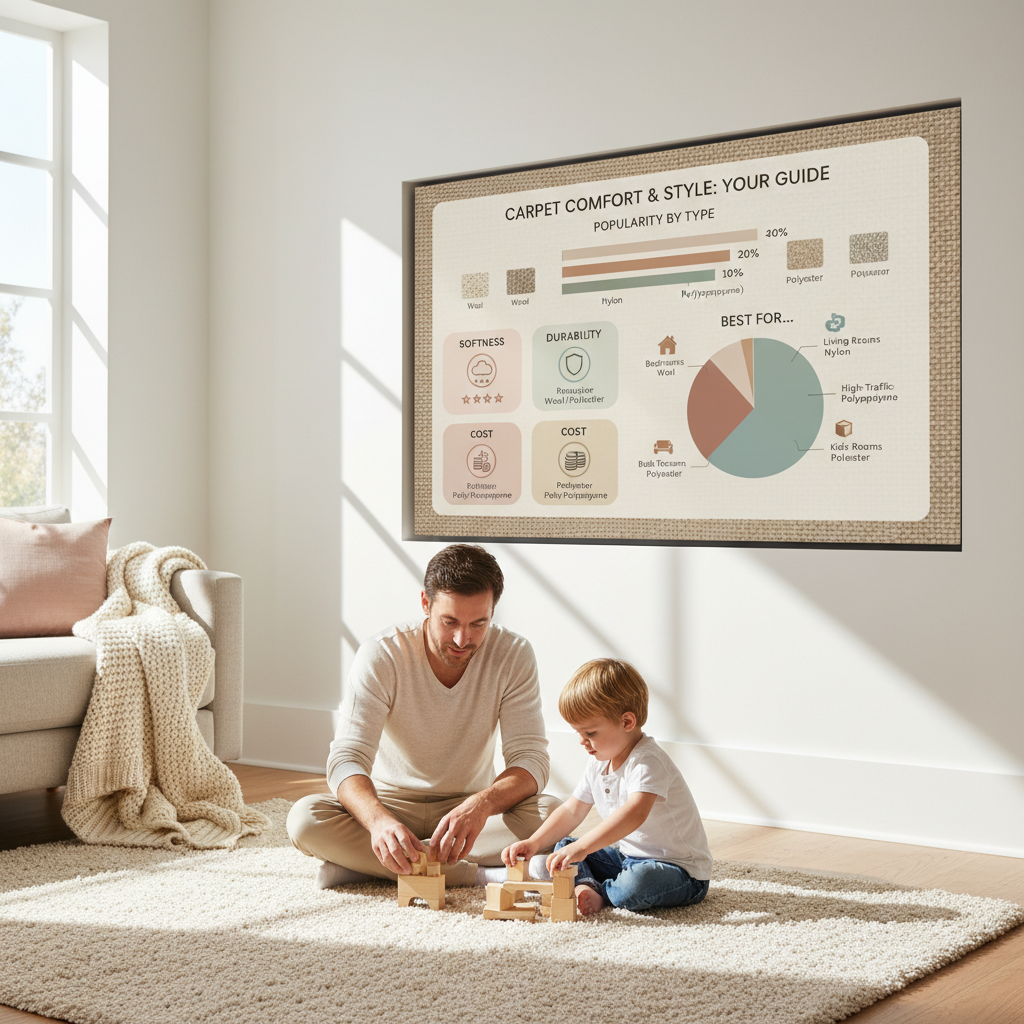
Several key characteristics distinguish different types carpet flooring. Durability is paramount, impacting how well the carpet withstands foot traffic, wear and tear, and potential damage. This is often measured by the carpet's pile weight and density. Fiber type also dramatically influences durability; nylon generally offers superior resilience compared to polyester.
Stain resistance is another critical factor, particularly in homes with children or pets. Treatments and fiber selections like stain-resistant nylon or olefin are specifically designed to repel spills and prevent permanent discoloration. The ease of cleaning and maintenance is directly linked to stain resistance and fiber type. Choosing between different types carpet flooring means weighing these trade-offs carefully.
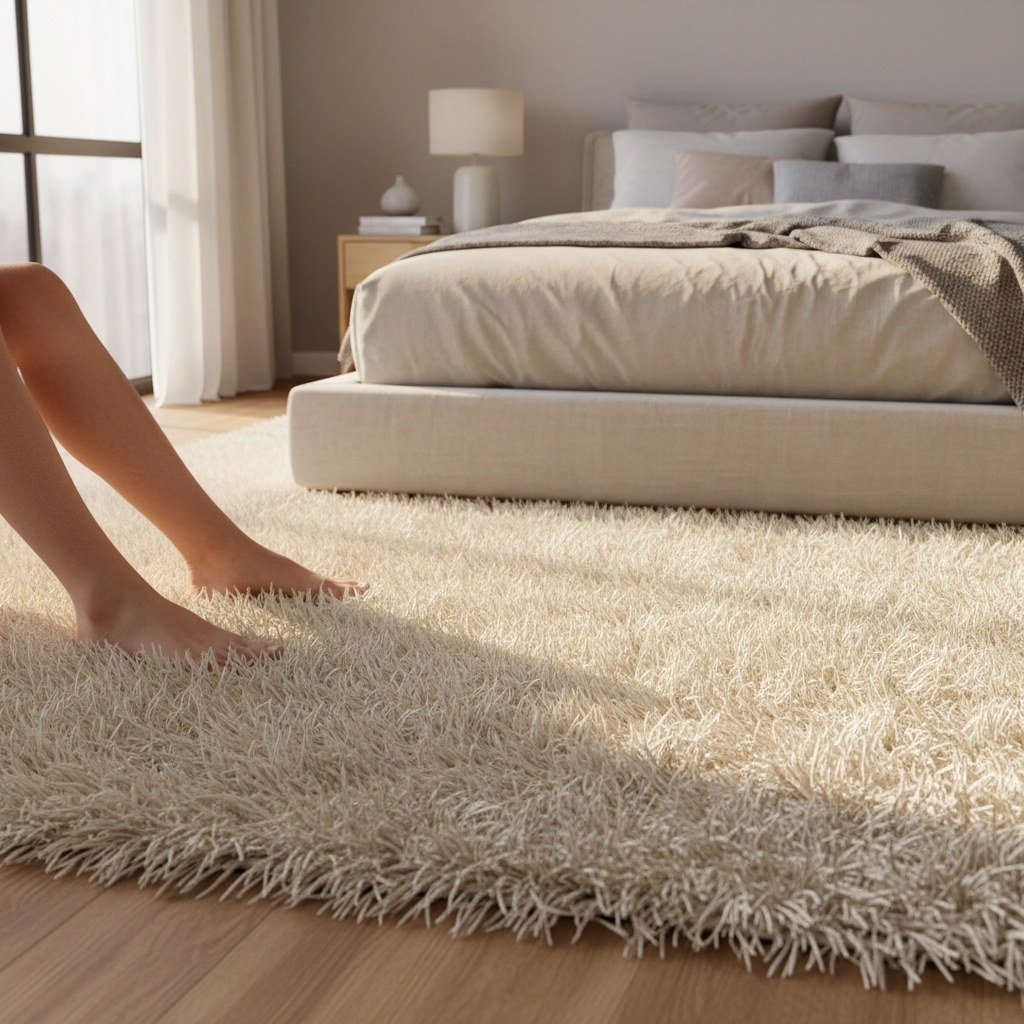
Comfort underfoot is heavily influenced by the pile height and density. Higher pile carpets generally feel softer and more luxurious, while lower pile carpets offer a more streamlined appearance. Thermal insulation is another notable characteristic; carpets can significantly reduce heat loss, contributing to energy efficiency. These core characteristics must be evaluated relative to intended use for different types carpet flooring.
Practical Applications of Types Carpet Flooring
The diverse properties of different types carpet flooring make them suitable for a wide array of applications. High-traffic areas like hallways and living rooms benefit from durable loop pile carpets or high-density cut pile options. Bedrooms and home offices often prioritize comfort, making plush, high-pile carpets ideal choices.
Commercial settings, such as offices and hotels, require carpets that can withstand heavy use and maintain a professional appearance. Modular carpet tiles are a popular choice in these environments, allowing for easy replacement of damaged sections. Specialty carpets are also available for specific applications, such as anti-static carpets for data centers or waterproof carpets for basements. The variety within types carpet flooring makes the selection process dynamic.
Performance Comparison of Types Carpet Flooring
Global Use Cases for Types Carpet Flooring
In North America, plush, textured carpets are prevalent in residential settings, prioritizing comfort and aesthetics. European markets tend towards more traditional designs and natural fiber carpets like wool, reflecting a preference for luxury and sustainability.
Asia-Pacific regions exhibit a growing demand for affordable and durable synthetic carpets, particularly in commercial spaces and rapidly developing urban areas. Middle Eastern countries often favor intricately patterned, high-pile carpets as a symbol of status and cultural heritage. The choice of types carpet flooring is often driven by regional taste and economic considerations.
Benefits and Long-Term Value of Types Carpet Flooring
The benefits of investing in quality types carpet flooring extend beyond initial comfort and aesthetics. Improved indoor air quality is a significant advantage, as carpets trap dust and allergens, reducing airborne particles. This contributes to a healthier living environment, particularly for individuals with allergies or asthma.
From a financial perspective, carpets offer excellent value by providing long-lasting durability and reducing heating costs through thermal insulation. Properly maintained carpets can significantly enhance a home’s resale value. The psychological benefits, such as increased comfort and a sense of well-being, contribute to the overall quality of life.
Future Trends in Types Carpet Flooring
Sustainability is a driving force in the future of types carpet flooring. The demand for carpets made from recycled materials, such as plastic bottles and fishing nets, is rapidly increasing. Bio-based carpets, derived from renewable resources, represent another promising trend.
Technological advancements are also shaping the industry, with the development of smart carpets equipped with sensors for monitoring foot traffic and air quality. Digital printing techniques allow for greater customization and intricate designs. Antimicrobial treatments are becoming increasingly common, enhancing hygiene and reducing the spread of germs.
These trends suggest a future where types carpet flooring are not only aesthetically pleasing but also environmentally responsible, technologically advanced, and health-conscious.
Summary of Key Factors Influencing Types Carpet Flooring Selection
| Fiber Type |
Pile Height |
Construction Method |
Maintenance Level |
| Nylon |
0.5 inches |
Cut Pile |
Medium |
| Polyester |
0.75 inches |
Loop Pile |
Low |
| Wool |
1.0 inch |
Woven |
High |
| Olefin |
0.375 inches |
Cut & Loop Pile |
Very Low |
| Triexta |
0.625 inches |
Textured Cut Pile |
Medium |
| Sisal |
0.25 inches |
Loop Pile |
Medium-High |
FAQS
For high-traffic areas, nylon and olefin carpets are generally the most durable choices. Nylon offers excellent resilience and stain resistance, while olefin is cost-effective and resists fading. Loop pile construction also enhances durability. Consider a higher pile weight and density for increased longevity. When selecting types carpet flooring, prioritizing these factors ensures a long-lasting investment.
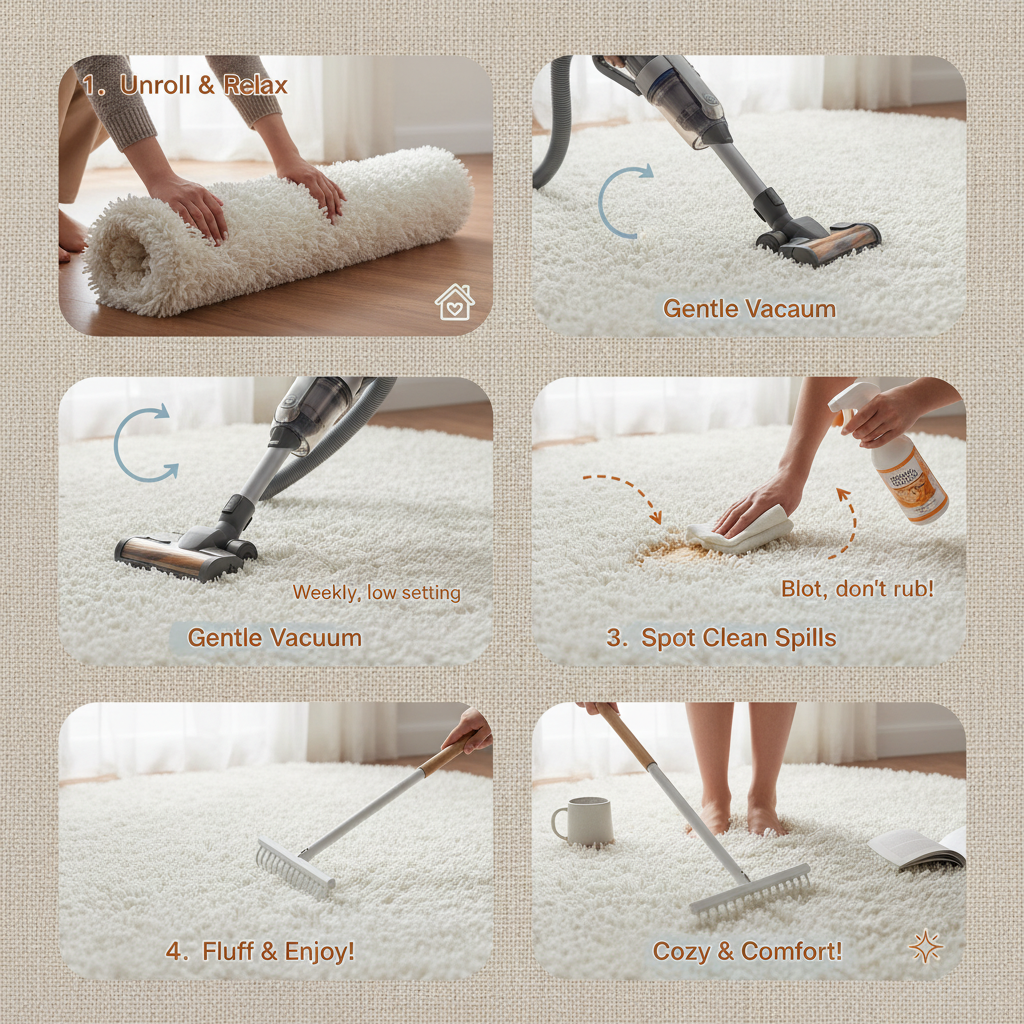
Professional carpet cleaning is generally recommended every 12-18 months, depending on foot traffic and lifestyle. Regular vacuuming (at least twice a week) is crucial for removing dirt and debris. Spot cleaning spills immediately can prevent permanent stains. Professional cleaning removes deeply embedded dirt and allergens, extending the life of your types carpet flooring and maintaining air quality.
Yes, several eco-friendly options are available. Carpets made from recycled materials, such as plastic bottles and fishing nets, are becoming increasingly popular. Wool is a natural, renewable fiber. Bio-based carpets, derived from plant-based sources, represent another sustainable choice. Look for certifications like Green Label Plus to ensure low VOC emissions when choosing types carpet flooring.
Cut pile carpet has fibers that are cut at the ends, creating a softer, more plush feel. It's good for bedrooms and living areas. Loop pile carpet has fibers that loop back into the backing, making it more durable and stain-resistant – ideal for high-traffic areas. The construction style significantly impacts the overall performance and aesthetics of the types carpet flooring.
Carpets can actually improve indoor air quality by trapping dust, pollen, and allergens. However, it's vital to choose low-VOC (volatile organic compound) carpets and maintain regular cleaning. Vacuuming with a HEPA filter vacuum is recommended. Properly maintained types carpet flooring contributes to a healthier home environment.
The lifespan varies significantly. Nylon carpets typically last 10-15 years, polyester 5-10 years, wool 15-20+ years, and olefin 7-12 years. Proper maintenance, including regular vacuuming and professional cleaning, can extend the lifespan of any types carpet flooring. The level of foot traffic also significantly affects longevity.
Conclusion
In conclusion, the world of types carpet flooring is remarkably diverse, offering solutions tailored to every need and budget. From the inherent durability of nylon to the luxurious comfort of wool, understanding the key characteristics of different fibers and construction methods is paramount to making an informed decision. Prioritizing factors like foot traffic, lifestyle, and environmental concerns will ensure a long-lasting and aesthetically pleasing result.
Looking ahead, the trend towards sustainability and technological innovation will continue to shape the industry. Embracing eco-friendly materials, exploring smart carpet technologies, and prioritizing regular maintenance will maximize the benefits of your investment. We invite you to explore our extensive range of types carpet flooring and discover the perfect solution for your space. Visit our website: www.yigoodhome.com