close
Mon to Saturday : 8:00 am - 7:00 pm
language
0%

Table of Contents

Understanding the diverse types of indoor carpet is crucial for both homeowners and interior design professionals. Globally, the flooring market is a multi-billion dollar industry, with carpet remaining a significant segment due to its comfort, aesthetic appeal, and sound absorption qualities. The selection of the appropriate carpet type impacts not only the look and feel of a space but also its longevity, maintenance requirements, and even indoor air quality.

The demand for specialized carpets is increasing, driven by evolving consumer preferences and technological advancements in fiber production and manufacturing processes. This includes eco-friendly options, hypoallergenic materials, and carpets designed for high-traffic areas or specific needs, like pet-friendly surfaces. Effectively navigating these types of indoor carpet is essential for making informed decisions.

Investing time in understanding the subtleties of carpet construction—from pile type to fiber composition—can yield significant long-term benefits, including reduced lifecycle costs and increased satisfaction with the final result. This knowledge allows for choices aligned with budget constraints, lifestyle requirements, and design goals.
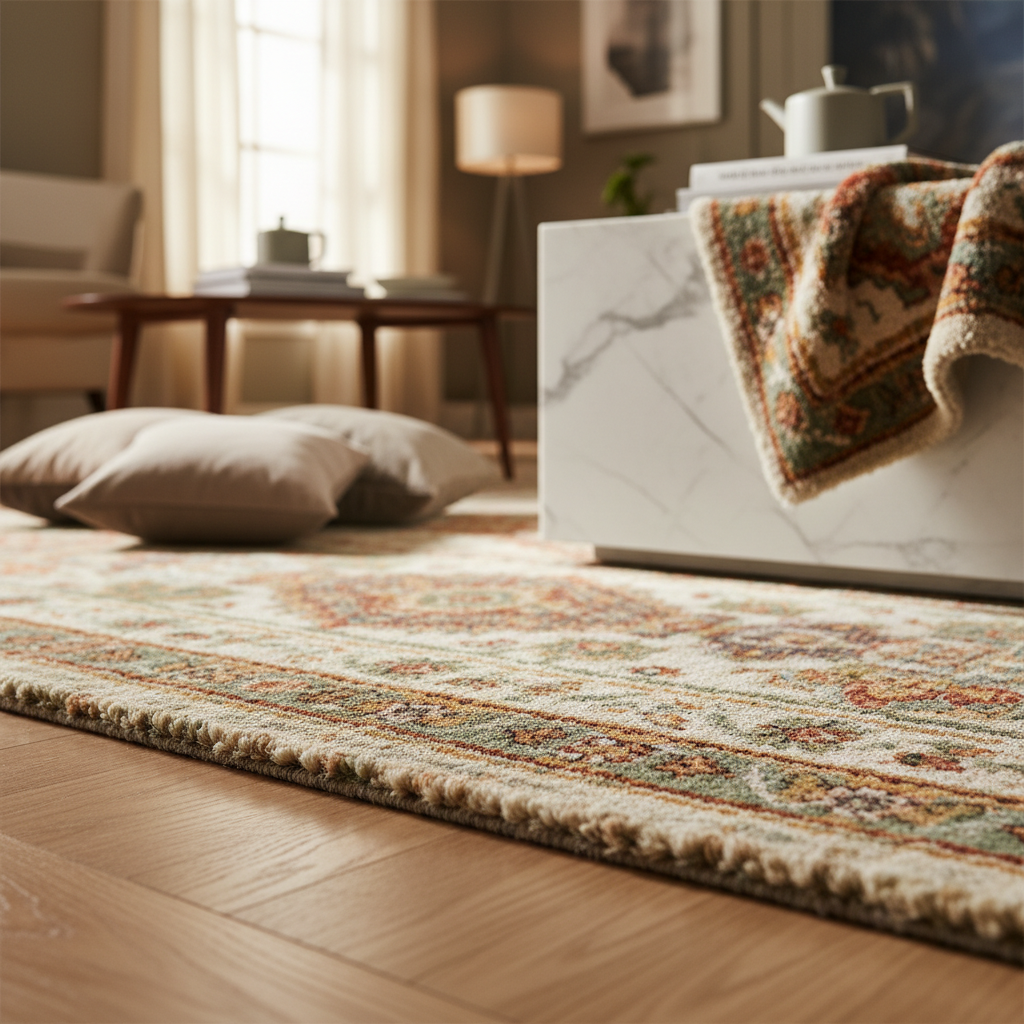
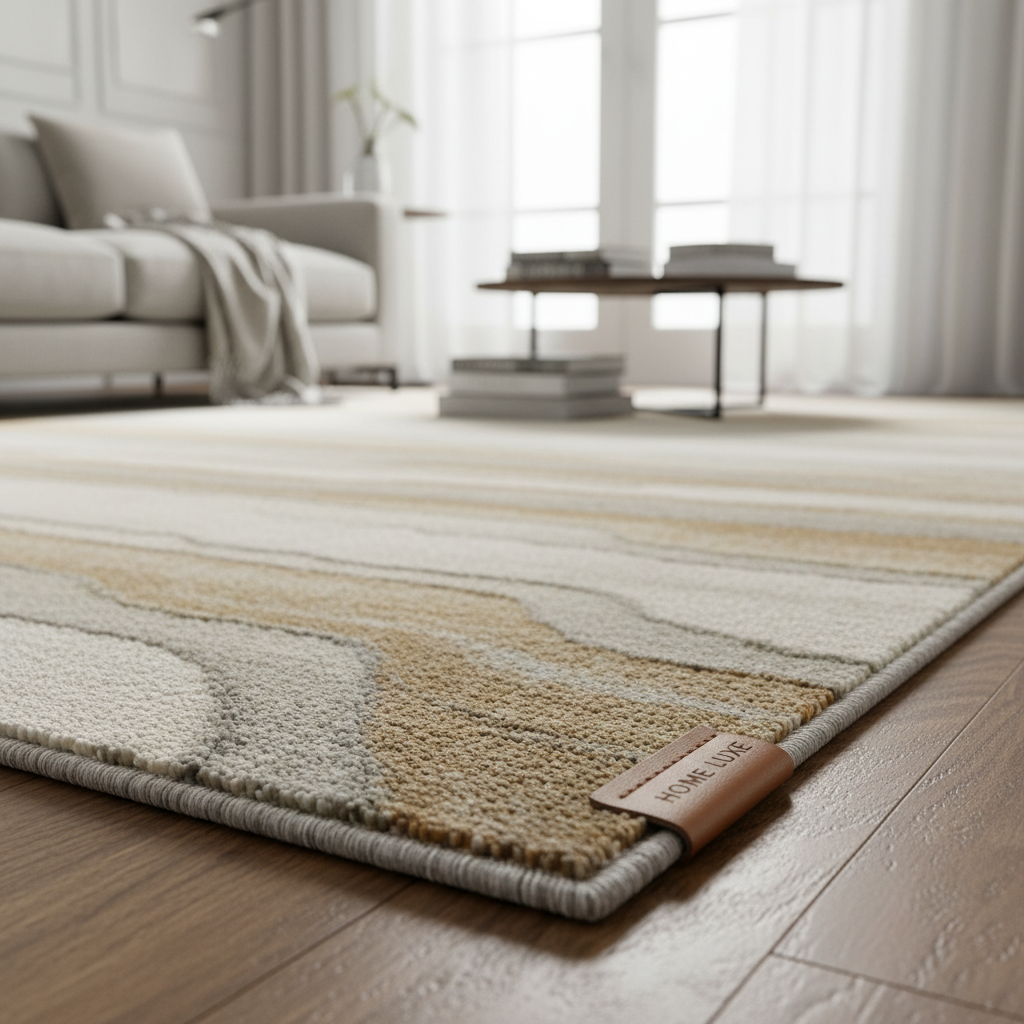
Exploring Diverse Types of Indoor Carpet for Optimal Home Comfort and Style

The Importance of Understanding types of indoor carpet

Exploring Diverse Types of Indoor Carpet for Optimal Home Comfort and Style

The world of types of indoor carpet is remarkably diverse, encompassing a wide range of materials, constructions, and styles. Understanding these variations isn’t merely about aesthetics; it’s about making informed choices that impact comfort, budget, maintenance, and the overall lifespan of your flooring. A well-informed decision translates directly into value and satisfaction.

Without proper knowledge, consumers risk selecting a carpet unsuitable for their needs – a plush, delicate carpet in a high-traffic hallway, for instance. This leads to premature wear, frequent replacements, and ultimately, a greater overall cost. Proper understanding allows for a considered approach, ensuring the carpet perfectly complements both the functional and aesthetic requirements of the space.

Defining types of indoor carpet

Types of indoor carpet refer to the various woven, tufted, or needle-felt floor coverings used within residential and commercial buildings. These coverings are characterized by their pile (the visible surface), backing, and the fibers used in their construction. Essentially, it's a textile floor covering designed for comfort, insulation, and aesthetic enhancement.

The selection of a specific carpet type heavily influences a building's interior climate control, acoustics, and overall ambiance. The industry continually evolves to meet demands for sustainable materials, improved durability, and specialized performance characteristics. Understanding this definition allows for better interpretation of features and benefits.

Beyond the basic definition, the nuances lie in the manufacturing process and the materials employed. Different techniques and fibers create carpets with vastly different properties, influencing everything from stain resistance to texture and price point.

Key Characteristics of types of indoor carpet

Several key characteristics define types of indoor carpet. Firstly, fiber type – nylon, polyester, wool, olefin, and triexta – significantly impacts durability, stain resistance, and cost. Secondly, pile type (cut pile, loop pile, or cut-and-loop pile) determines the carpet’s texture, appearance, and how well it holds up to wear.

The backing system, typically made of polypropylene, jute, or synthetic materials, provides structural support and affects the carpet’s stability and lifespan. Density, measured in ounces per square yard, and pile height also play critical roles in determining the carpet's resilience and feel underfoot.

Finally, the manufacturing process—tufting, weaving, or needle punching—impacts the carpet’s overall quality, pattern capabilities, and cost. Each characteristic interacts with the others, resulting in a diverse array of carpet types suited for various applications.

Durability and Wear Resistance in types of indoor carpet

Durability and wear resistance are paramount considerations when choosing types of indoor carpet. These qualities are influenced by a combination of fiber type, pile construction, and density. Nylon, for instance, is renowned for its exceptional durability and resilience, making it ideal for high-traffic areas.

Different pile types also contribute to wear resistance. Loop pile carpets, with their tightly woven construction, generally withstand crushing and wear better than cut pile carpets. Density, measured in ounces per square yard, is a key indicator—higher density carpets tend to retain their appearance longer and resist matting.

Wear Resistance Ratings for Common types of indoor carpet


Global Applications of types of indoor carpet

Types of indoor carpet find application across a vast spectrum of settings globally. In residential spaces, they provide comfort, warmth, and aesthetic appeal. Commercial buildings, such as offices and hotels, utilize carpet for noise reduction, wayfinding (through color and pattern), and to create a welcoming atmosphere.

Educational institutions commonly employ carpet in classrooms and libraries for sound dampening and to create a more conducive learning environment. Healthcare facilities often favor carpets with antimicrobial properties for hygiene and patient comfort. The demand for specialized carpets tailored to specific environments is a growing trend.

Advantages and Long-Term Value of types of indoor carpet

Investing in quality types of indoor carpet delivers a multitude of advantages. From a financial perspective, while the initial cost may vary, durable carpets minimize the need for frequent replacements, reducing lifecycle costs. Improved insulation translates to energy savings.

Beyond the practical, carpets enhance indoor air quality by trapping allergens and dust. Their sound-absorbing properties contribute to quieter, more peaceful environments. From an emotional standpoint, carpets create a sense of comfort, warmth, and well-being, adding to the overall quality of life.

Future Trends and Innovation in types of indoor carpet

The future of types of indoor carpet is poised for exciting innovations. Sustainable materials, such as recycled fibers and bio-based polymers, are gaining prominence, driven by growing environmental awareness. Smart carpets incorporating sensors for monitoring foot traffic, air quality, and even security are also under development.

Technological advancements in manufacturing processes, like 3D printing, could allow for customized carpet designs and on-demand production. Expect to see increased integration of digital technologies, from virtual reality tools for visualizing carpet installations to augmented reality apps for maintenance guidance.

Analysis of Innovation Trends in types of indoor carpet

Innovation Area Current Status Potential Impact Timeline for Adoption
Recycled Fiber Technology Increasing availability, moderate cost Reduced environmental impact, increased sustainability Widely adopted within 5-10 years
Smart Carpet Sensors Prototype stage, high cost Enhanced building management, improved security Niche applications within 10-15 years
3D Printed Carpets Early research & development, limited scale Customized designs, on-demand production Potential breakthrough within 15-20 years
Bio-Based Polymers Developing alternatives, moderate performance Renewable resources, reduced carbon footprint Gradual integration within 5-10 years
Antimicrobial Treatments Established technology, ongoing improvements Enhanced hygiene, reduced bacterial growth Continued refinement and wider application
AR/VR Visualization Tools Growing availability, improving user experience Simplified design process, reduced errors Widespread adoption within 2-5 years

FAQS

What is the most durable type of indoor carpet?

Nylon is widely considered the most durable type of indoor carpet. Its inherent resilience and strength make it exceptionally resistant to wear and tear, matting, and crushing. While other fibers offer benefits, nylon consistently outperforms them in high-traffic areas and heavy-use situations. The density of the carpet also significantly impacts durability, with higher density carpets lasting longer.

How can I choose a carpet that's hypoallergenic?

If allergies are a concern, opt for carpets made from natural fibers like wool or materials like triexta, which are inherently hypoallergenic. Look for carpets with low VOC (volatile organic compounds) emissions and consider carpets with tightly woven piles to trap fewer allergens. Regular vacuuming with a HEPA filter vacuum cleaner is also crucial for maintaining good indoor air quality.

What's the difference between cut pile and loop pile carpets?

Cut pile carpets have fibers that are cut at the ends, resulting in a softer, more plush feel. They come in various styles like plush, frieze, and saxony. Loop pile carpets, on the other hand, have fibers that loop back into the backing, creating a more durable, textured surface. Berber is a common type of loop pile carpet. Loop pile carpets are generally more resistant to crushing and wear.

How do I clean different types of indoor carpet?

Cleaning methods vary depending on the fiber type. Nylon and polyester carpets are generally easier to clean with water-based cleaners. Wool carpets require specialized cleaning products designed for delicate natural fibers. Always check the manufacturer’s recommendations before using any cleaning product, and consider professional cleaning for best results, especially for stain removal.

Is carpet a sustainable flooring option?

Carpet sustainability is improving with the increasing availability of recycled fibers and bio-based polymers. Choosing carpets made from recycled materials reduces landfill waste and conserves resources. Additionally, carpets provide thermal insulation, which can lower energy consumption. Look for certifications like Green Label Plus to ensure low VOC emissions and environmentally responsible manufacturing practices.

What is the typical lifespan of an indoor carpet?

The lifespan of an indoor carpet varies depending on factors like fiber type, pile construction, density, traffic level, and maintenance. Generally, a good-quality nylon carpet can last 10-15 years, while polyester carpets may last 5-10 years. Wool carpets, with proper care, can last even longer. Regular vacuuming, prompt stain removal, and professional cleaning can extend the lifespan of any carpet.

Conclusion

In conclusion, navigating the world of types of indoor carpet requires careful consideration of numerous factors, from fiber composition and pile construction to durability and environmental impact. By understanding these key characteristics, consumers and professionals alike can make informed decisions that result in flooring solutions that are both aesthetically pleasing and functionally optimal. The right carpet can transform a space, enhancing comfort, safety, and overall quality of life.

Looking ahead, the industry will continue to innovate with sustainable materials, smart technologies, and customized designs. Embracing these advancements will not only enhance the performance and longevity of carpets but also contribute to a more environmentally responsible and aesthetically enriching future. Visit our website at www.yigoodhome.com to explore our wide selection of carpets and find the perfect fit for your needs.

Declan Hayes

Declan Hayes

Declan Hayes is the Head of Operations at Hebei Yihao Home Furnishings. He is responsible for overseeing the production process, from sourcing raw materials to ensuring timely delivery of products. With a background in supply chain management, Declan has streamlined the company’s manufacturing operations, increasing efficiency and reducing costs. He’s
Previous Exploring Diverse Types of Residential Carpet for Homeowners and Designers
Next Understanding the Diverse Types of House Carpets for Optimal Home Comfort
Can't Find The Carpets Wholesale And Services You Need?
If you need our help,
Our staff will be happy to help and answer your questions!
Variety

Variety

Carpets come in a wide range of colors, patterns, and textures to suit different styles and preferences.
Softness

Softness

They offer a plush, soft feel underfoot, adding comfort to any room.
Durability

Durability

Quality carpets are designed to withstand heavy foot traffic and last for years with proper care.
Maintenance

Maintenance

Carpets require regular cleaning, such as vacuuming and occasional deep cleaning, to maintain their appearance and hygiene.

Contact Us

Email: 1036673511@qq.com

Phone:15731954866

Cooperation

Email:1036673511@qq.com

Phone:15731954866

Address

Floor 724 ,Building 7, No. 10, Tatan International Trade City, 118 Shengli South Street, Qiaoxi District, Shijiazhuang City, Hebei Province

Business Hours

Mon to Saturday : 8:00 am - 7:00 pm

Sunday & Holidays : Closed

If you are interested in our products, you can choose to leave your information here, and we will be in touch with you shortly.