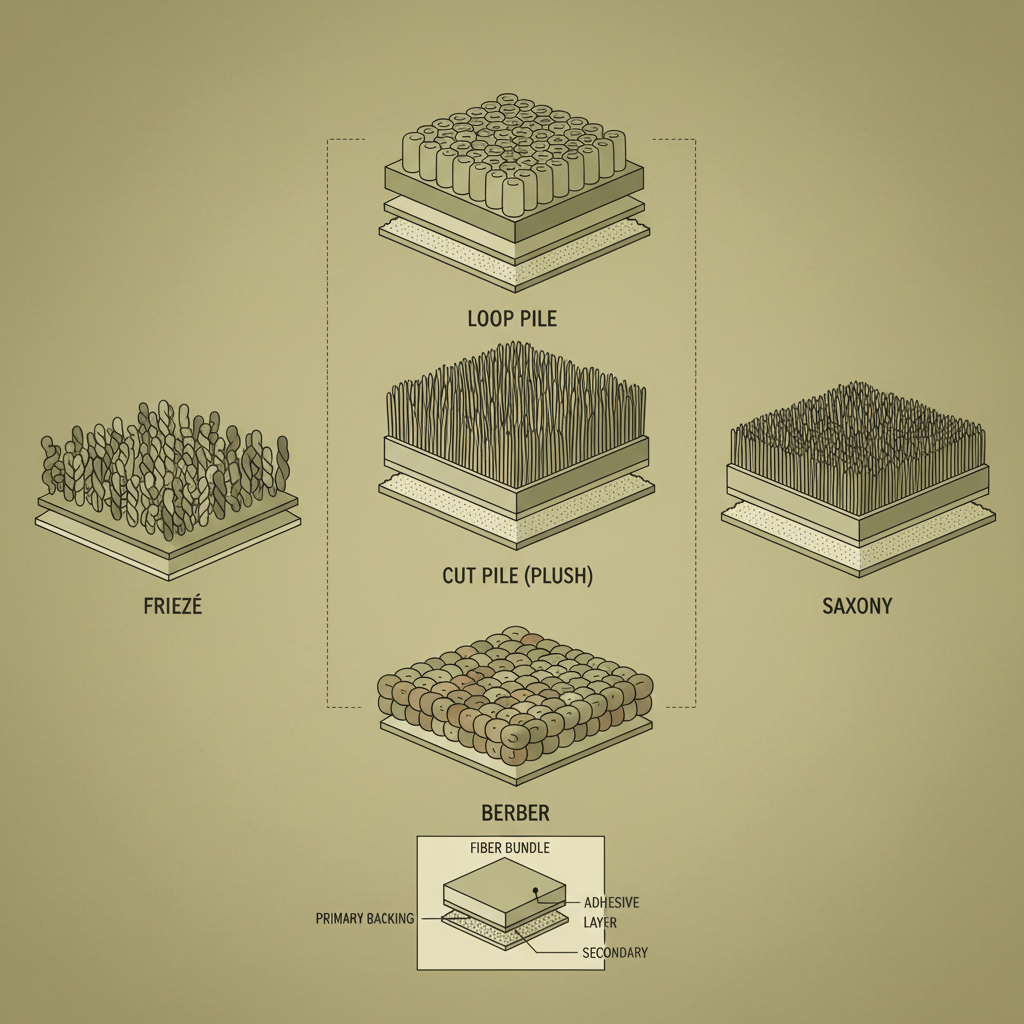


The modern home textile market is witnessing a significant shift toward materials that balance tactile luxury with long-term resilience. In particular, the demand for a durable bedroom carpet has moved beyond simple aesthetics to focus on the structural integrity of fibers and the safety of the underlayment.
This evolution is driven by a growing consumer awareness of lifecycle costs and the necessity of high-performance materials in high-traffic residential zones. For homeowners and procurement specialists, the challenge lies in identifying products that maintain their velvet-like softness without compromising on wear resistance or structural stability over years of use.
This analysis explores the material science behind modern synthetic fibers, the critical role of anti-slip engineering, and the selection criteria necessary to ensure a bedroom flooring solution provides both elegance and longevity.


The durability of modern bedroom flooring is primarily determined by the polymer composition of the fiber. Polyester fiber material has become the industry standard for high-performance home textiles due to its inherent corrosion resistance and ability to maintain structural performance under repeated compression.
Unlike natural fibers that may degrade under humidity or chemical exposure, engineered polyester provides a consistent molecular structure that resists fraying and thinning, making it ideal for mass production and wholesale distribution where quality consistency is paramount.
When evaluating a durable bedroom carpet, specifications must be analyzed through the lens of "functional longevity." This means looking beyond the pile height to the density of the fluff. A delicate and tight fluff ensures that the carpet does not mat quickly, preserving the "cloud-like" feel under bare feet while resisting the typical wear patterns found near the bedside.
The relationship between fiber density and wear resistance is critical. A higher density of polyester fibers distributes the weight of foot traffic more evenly across the surface, reducing the localized stress on individual filaments. This engineering approach prevents the flattening of the velvet texture, ensuring the product retains its luxury aesthetic over a longer lifecycle.
Furthermore, the chemical stability of the materials used ensures that the carpet is resistant to common household corrosives. This stability is essential for maintaining the vibrancy of colors and the integrity of the fiber, which is particularly important for products exported to diverse climates across dozens of countries.
Safety is a non-negotiable parameter in residential flooring. The risk of sliding is a primary concern, especially in households with children or elderly residents, necessitating a specialized approach to the carpet's bottom architecture.
This integration of safety and comfort allows the carpet to serve as a reliable flooring component in various rooms. The transition from a decorative living room piece to a functional bedroom staple depends entirely on this underlying stability, ensuring that luxury does not come at the cost of safety.
To understand the value of polyester fiber in durable bedroom carpet construction, it is useful to assess its performance across key engineering metrics compared to other common materials. These metrics include wear resistance, maintenance ease, and cost-efficiency.
The following data represents a normalized engineering assessment of different material configurations based on industry standard performance ratings.
In a typical residential deployment, a durable bedroom carpet is most effective when placed in strategic high-contact zones, such as the area immediately adjacent to the bed or in front of a vanity. These positions maximize the comfort of the velvet texture while utilizing the non-slip backing to prevent shifting during daily routines.
From a design perspective, the modern style of these carpets—characterized by simple yet generous lines—allows them to integrate seamlessly with various interior themes. Whether paired with minimalist furniture or luxury accents, the product enhances the overall atmosphere by providing a warm, soft tactile experience without disrupting the visual flow of the room.
The textile industry is moving toward an era where durability must coexist with environmental responsibility. Future developments in polyester fiber are focusing on recycled polymers that maintain the same wear resistance and corrosion resistance as virgin materials, reducing the ecological footprint of mass production.
We anticipate a shift toward "smart textiles" where the underlayment may incorporate adaptive grip technologies that adjust friction based on the floor material. This would further enhance the safety profiles of carpets, making them even more suitable for specialized care environments.
Furthermore, the integration of antimicrobial treatments within the velvet fluff is expected to become a standard requirement. This will address hygiene concerns in bedrooms, ensuring that the soft, comfortable touch is matched by a high standard of cleanliness and health safety.
Selecting the right flooring solution requires a balance between tactile preference and environmental requirements. The choice between a plush, fluffy rug and a high-density velvet carpet often depends on the expected foot traffic and the desired level of luxury.
For those prioritizing long-term performance, the material composition and the method of bottom treatment are the two most critical factors. A robust polyester construction paired with an anti-slip base represents the optimal configuration for most modern households.
The following matrix provides a framework for evaluating different configuration profiles based on common bedroom application needs.
| Configuration Type | Primary Material | Durability Rating | Recommended Use Case |
|---|---|---|---|
| Basic Comfort | Standard Polyester | Moderate | Low-traffic Guest Room |
| High-Duty Velvet | Dense Polyester | High | Master Bedroom (High Use) |
| Luxury Plush | Soft-Fiber Blend | Moderate | Decorative Accents |
| Safety-First | Polyester + Grip Base | High | Children/Elderly Rooms |
| Modern Minimalist | Short-pile Polyester | Very High | Contemporary Studio |
| Industry Baseline | Standard Synthetic | Moderate | General Residential |
Polyester fiber is highly valued for its exceptional wear resistance and corrosion resistance. Unlike natural fibers, it does not easily absorb moisture or succumb to mold, allowing it to maintain its structural performance over long periods. Its synthetic nature ensures that the fluff remains resilient and resistant to flattening, which is critical for maintaining the aesthetic and comfort of a bedroom carpet in high-use areas.
The anti-slip functionality is engineered into the bottom of the carpet through a specialized treatment or a texture-based design. This creates a higher level of friction between the carpet and the flooring (such as hardwood or tile), effectively preventing the rug from sliding. This is a critical safety feature for families with children or the elderly, ensuring the carpet stays securely in place during movement.
Yes, provided the velvet is constructed from high-density polyester. The "tight fluff" architecture prevents the fibers from shifting or matting. While extremely plush rugs are typically for low-traffic zones, a durable bedroom carpet with a refined velvet texture is designed to balance softness with the ability to withstand daily foot traffic without losing its original feel.
To preserve the performance of polyester fibers, regular vacuuming is recommended to remove abrasive dust particles from the base of the fluff. Occasional deep cleaning with compatible synthetic-fiber cleaners can help maintain the velvet texture. Avoiding harsh chemical bleaches ensures that the corrosion-resistant properties of the polymer are not compromised over time.
Due to the specialized non-slip bottom treatment, these carpets are compatible with a wide range of hard surfaces, including polished wood, laminate, and ceramic tiles. The grip texture is designed to adapt to various surface tensions, ensuring stability without leaving residue or damaging the underlying floor material.
When sourcing at scale, buyers should verify the fiber purity (ensuring it is high-grade polyester), the quality of the non-slip backing, and the manufacturer's ability to maintain consistency across large production lines. Certification of environmental and quality tests is also essential to ensure the products meet the standards of the diverse international markets to which they are exported.
The analysis demonstrates that the longevity of a bedroom flooring solution is not a result of a single feature, but the synergy between material science and safety engineering. By combining corrosion-resistant polyester fibers with a high-friction anti-slip base, it is possible to achieve a product that offers both the sensory luxury of velvet and the resilience required for long-term residential use.
For those seeking a balance of modern style and functional durability, investing in high-density synthetic textiles remains the most viable path. Integrating a durable bedroom carpet into a home's design not only elevates the aesthetic but ensures a safe, comfortable, and cost-effective flooring environment for years to come.


Variety

Softness

Durability

Maintenance
Address
Floor 724 ,Building 7, No. 10, Tatan International Trade City, 118 Shengli South Street, Qiaoxi District, Shijiazhuang City, Hebei Province
Business Hours
Mon to Saturday : 8:00 am - 7:00 pm
Sunday & Holidays : Closed