

Understanding the diverse types of house carpets is crucial for homeowners, interior designers, and builders alike. Carpets significantly impact indoor air quality, comfort, acoustics, and aesthetics, making the selection process far from trivial. The global carpet market is a multi-billion dollar industry, driven by factors like increasing disposable incomes, urbanization, and a growing emphasis on home improvement. Choosing the right carpet isn’t just about style; it's about long-term investment, health, and sustainability.
The relevance of different types of house carpets extends beyond residential spaces. Commercial properties, hospitality venues, and educational institutions all rely on carpeting to create functional and inviting environments. Market research indicates a growing demand for eco-friendly and hypoallergenic options, reflecting a broader consumer trend toward sustainable and healthy living. Navigating this complex landscape requires knowledge of various fibers, construction methods, and performance characteristics.
Ultimately, informed decisions regarding types of house carpets contribute to better living and working environments. This knowledge empowers consumers to make choices aligned with their specific needs, budget, and values. From luxurious wool carpets to durable synthetic options, the possibilities are vast, and understanding these nuances is essential for maximizing the benefits of this versatile flooring solution.
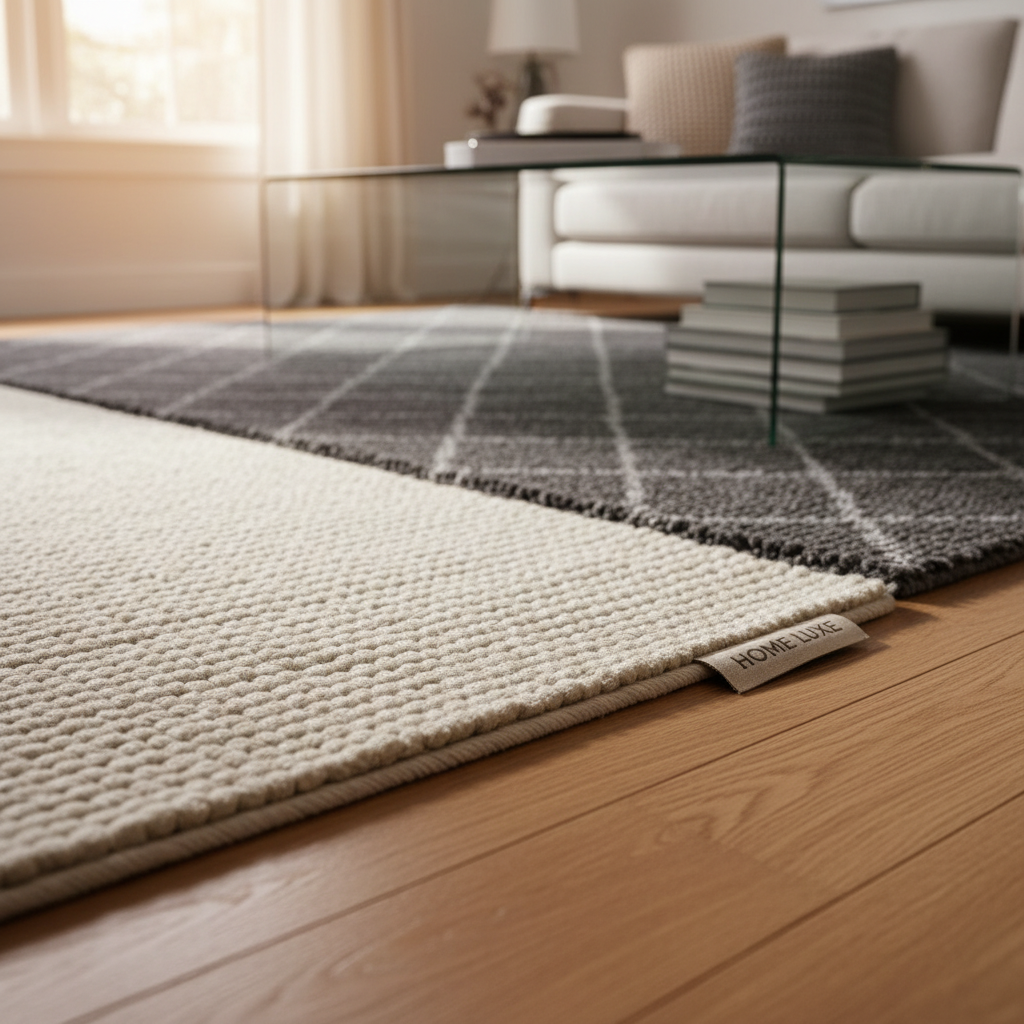
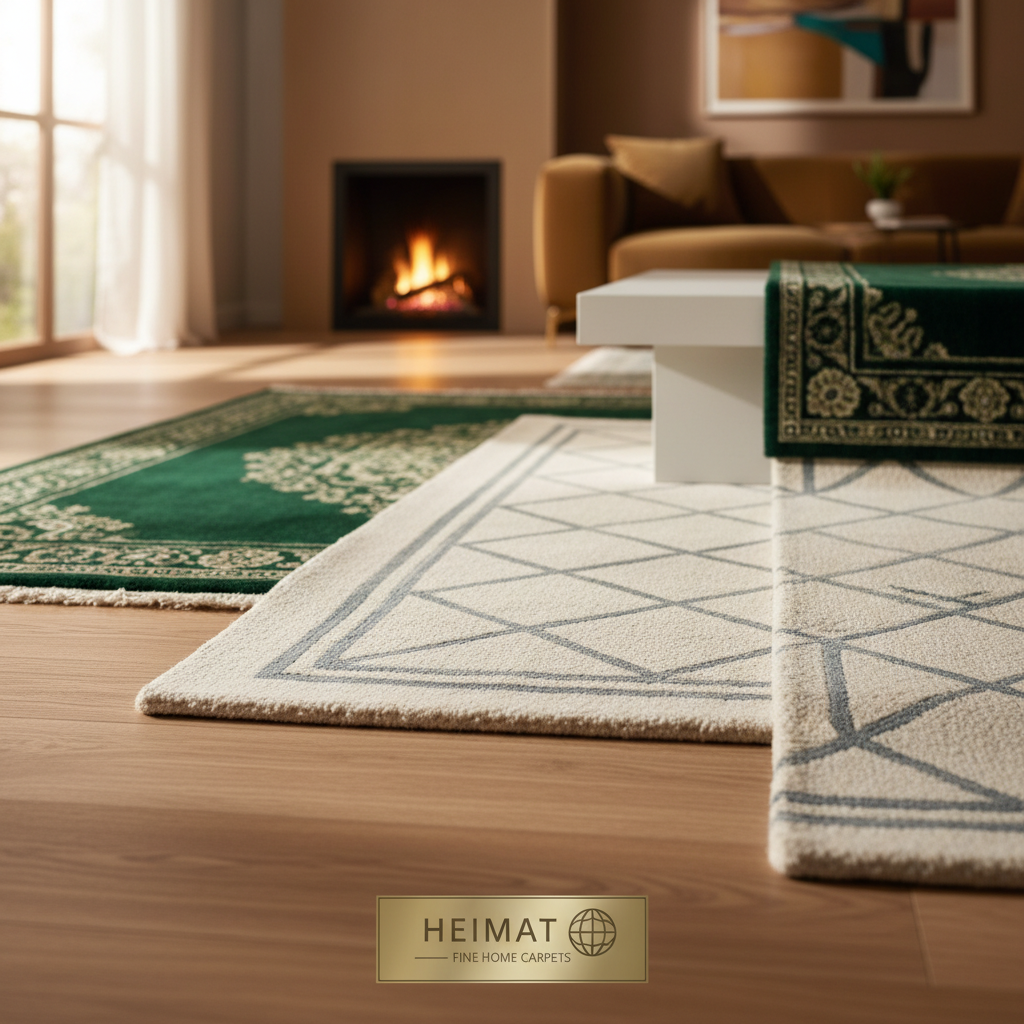
Selecting the appropriate carpet for a home or commercial space requires considering numerous factors, all stemming from the vast range of types of house carpets available. Ignoring these factors can lead to premature wear, dissatisfaction with aesthetics, and even potential health concerns. The differences in fiber type, construction, and pile height significantly impact durability, maintenance, and overall performance.
A thorough understanding allows for informed decisions that optimize comfort, enhance design, and contribute to a healthier indoor environment. This knowledge extends beyond simply choosing a color or pattern; it involves assessing the needs of the space and selecting a carpet that meets those specific requirements over the long term.
For high-traffic areas, nylon carpets are generally considered the most durable option due to their excellent resilience and resistance to abrasion. Triexta is also a strong contender, offering comparable durability with enhanced stain resistance. Wool, while durable, may require more maintenance in these areas. Consider a cut pile construction, as it tends to hide footprints better than a loop pile. Regularly vacuuming and professional cleaning will further extend the life of any carpet in a high-traffic zone.
Yes, several eco-friendly options exist! Wool is a natural, renewable resource. Recycled carpets, made from post-consumer materials, reduce landfill waste. Bio-based carpets, crafted from plant-derived fibers like corn or sugarcane, are gaining popularity. Look for carpets certified by organizations like LEED or Green Label Plus, ensuring they meet stringent environmental standards. Even nylon carpets can be environmentally responsible if they incorporate recycled content.
The frequency of professional carpet cleaning depends on several factors, including foot traffic, the presence of pets, and your lifestyle. As a general guideline, most carpets benefit from professional cleaning every 12-18 months. High-traffic areas or homes with pets may require cleaning every 6-12 months. Regular vacuuming between professional cleanings is crucial for maintaining carpet hygiene and extending its lifespan.
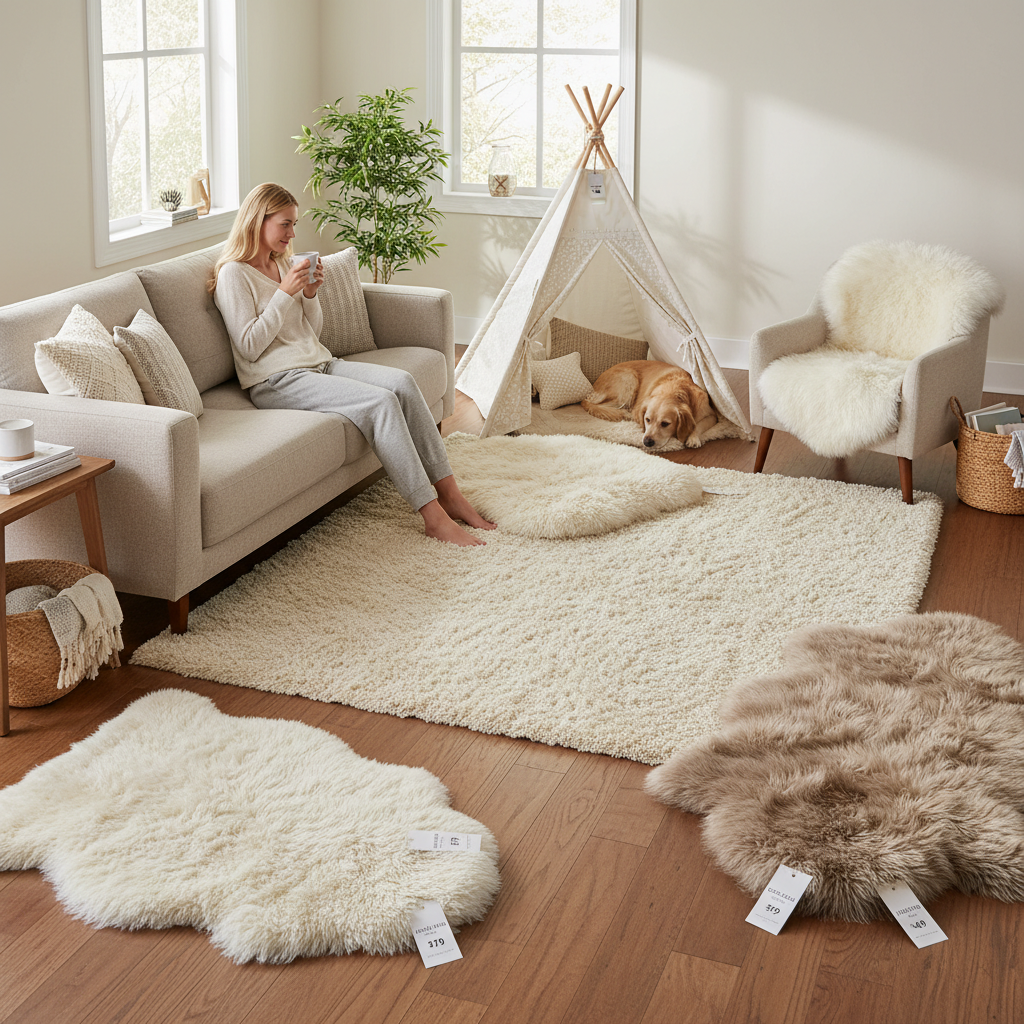
Cut pile carpets have fibers that are cut at the ends, resulting in a softer, more luxurious feel. They come in various styles, including plush, saxony, and frieze. Loop pile carpets have uncut fibers, creating a durable, textured surface. Berber and level loop are common loop pile styles. Loop pile is generally more resistant to crushing and wear, while cut pile offers greater comfort underfoot.
Carpet can actually improve indoor air quality for allergy sufferers by trapping allergens and dust. However, it’s essential to choose low-VOC carpets and vacuum regularly with a HEPA filter vacuum cleaner. Avoid carpets that harbor mold or mildew. Wool carpets are naturally hypoallergenic. Proper cleaning and maintenance are crucial for minimizing allergens in carpeted areas.
Carpet typically has a lower upfront cost compared to many hard flooring options like hardwood, tile, or stone. However, the long-term cost depends on factors like durability and maintenance. While carpet may need replacing sooner than some hard flooring, the initial investment is usually lower. Installation costs can also vary depending on the type of carpet and the complexity of the installation.
Choosing the right types of house carpets is a multifaceted decision requiring careful consideration of fiber type, construction method, performance characteristics, and individual needs. By understanding these elements, consumers can select a carpet that not only enhances the aesthetics of their space but also provides lasting comfort, durability, and value. Informed decision-making leads to satisfaction and a healthier indoor environment.
Looking ahead, innovations in carpet technology promise even more sustainable, high-performing, and technologically advanced options. Continued research and development will undoubtedly push the boundaries of what's possible, creating carpets that seamlessly integrate into our lives while minimizing their environmental impact. Visit our website at www.yigoodhome.com to explore our extensive selection and find the perfect carpet for your home.


Variety

Softness

Durability

Maintenance
Address
Floor 724 ,Building 7, No. 10, Tatan International Trade City, 118 Shengli South Street, Qiaoxi District, Shijiazhuang City, Hebei Province
Business Hours
Mon to Saturday : 8:00 am - 7:00 pm
Sunday & Holidays : Closed