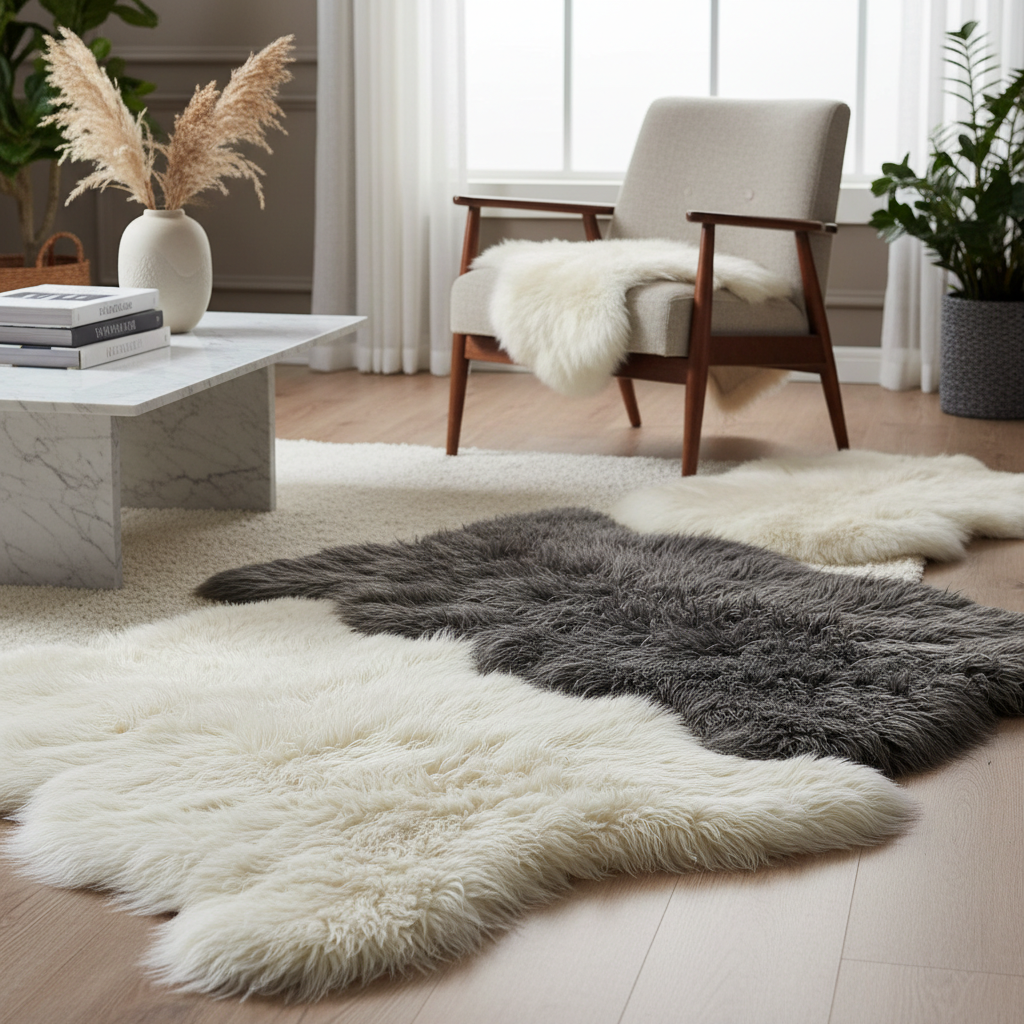
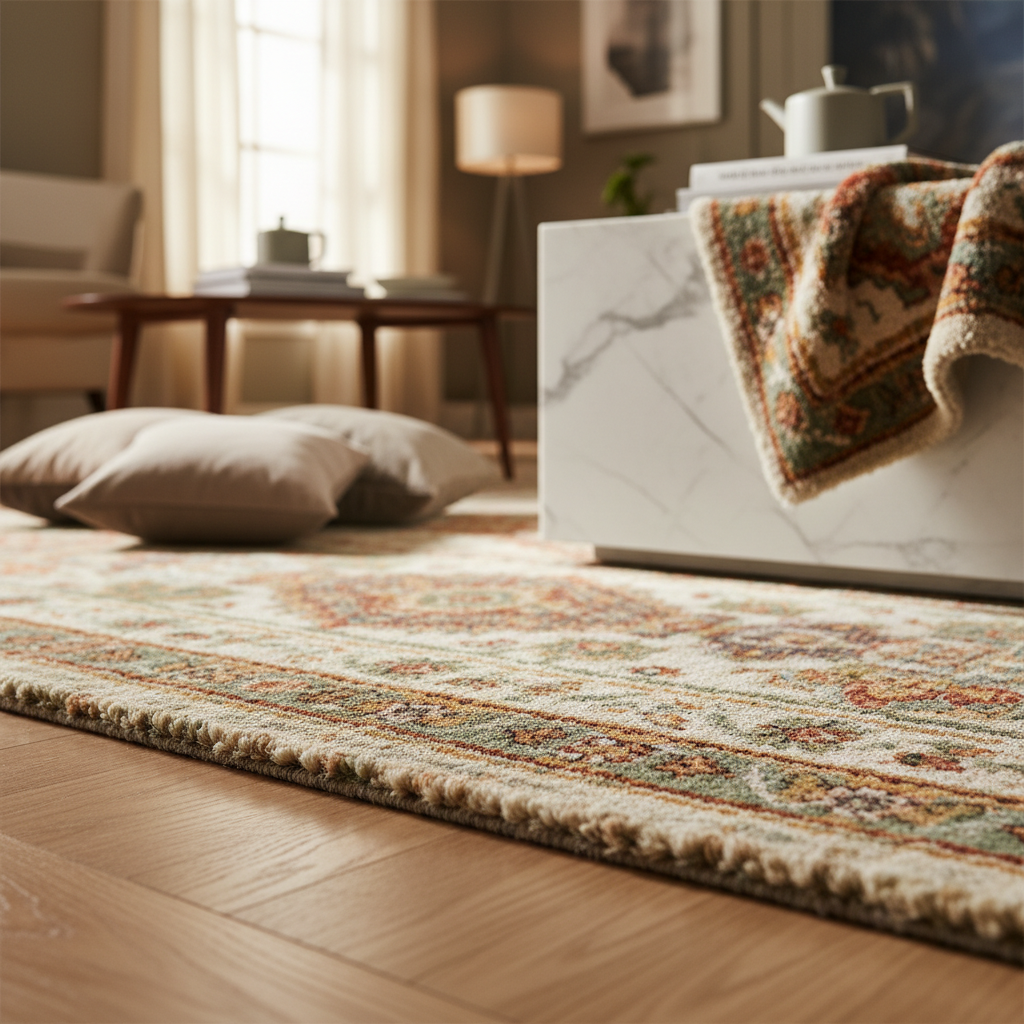
Transforming a house into a home often comes down to the sensory details, and few elements provide as much immediate comfort and visual luxury as faux fur rugs. In the modern interior design landscape, these pieces have evolved from mere accent items to central staples of cozy, contemporary living, bridging the gap between high-end aesthetics and ethical consumption.
Across the globe, the shift toward sustainable and cruelty-free home furnishings has propelled synthetic textiles to the forefront of the industry. By replicating the opulent feel of genuine fur through advanced polymer engineering, these rugs offer a tactile experience that enhances warmth and acoustics without the environmental footprint associated with traditional animal pelts.
Understanding the nuances of material composition, pile density, and maintenance is essential for any homeowner or designer. Whether you are looking to add a touch of elegance to a minimalist bedroom or seeking a durable, soft surface for a high-traffic living area, mastering the selection of these plush textiles ensures a balance of longevity and luxury.
The Global Evolution of Faux Fur Rugs
The rise of faux fur rugs mirrors a broader global shift toward conscious consumerism. Historically, luxury flooring was the domain of rare animal hides, but as ISO standards for textile quality and animal welfare became more stringent, the industry pivoted toward high-performance polymers. Today, the market is driven by a demand for "accessible luxury," where the aesthetic of a high-end hotel suite can be replicated in a residential setting.
In regions like Northern Europe and North America, where colder climates necessitate thermal insulation, these rugs have become functional necessities. They serve as critical thermal barriers between cold flooring and bare feet, while simultaneously acting as sound-dampening agents in open-concept architectural designs. The integration of these textiles represents a marriage of industrial chemistry and home comfort.
Understanding the Composition and Quality
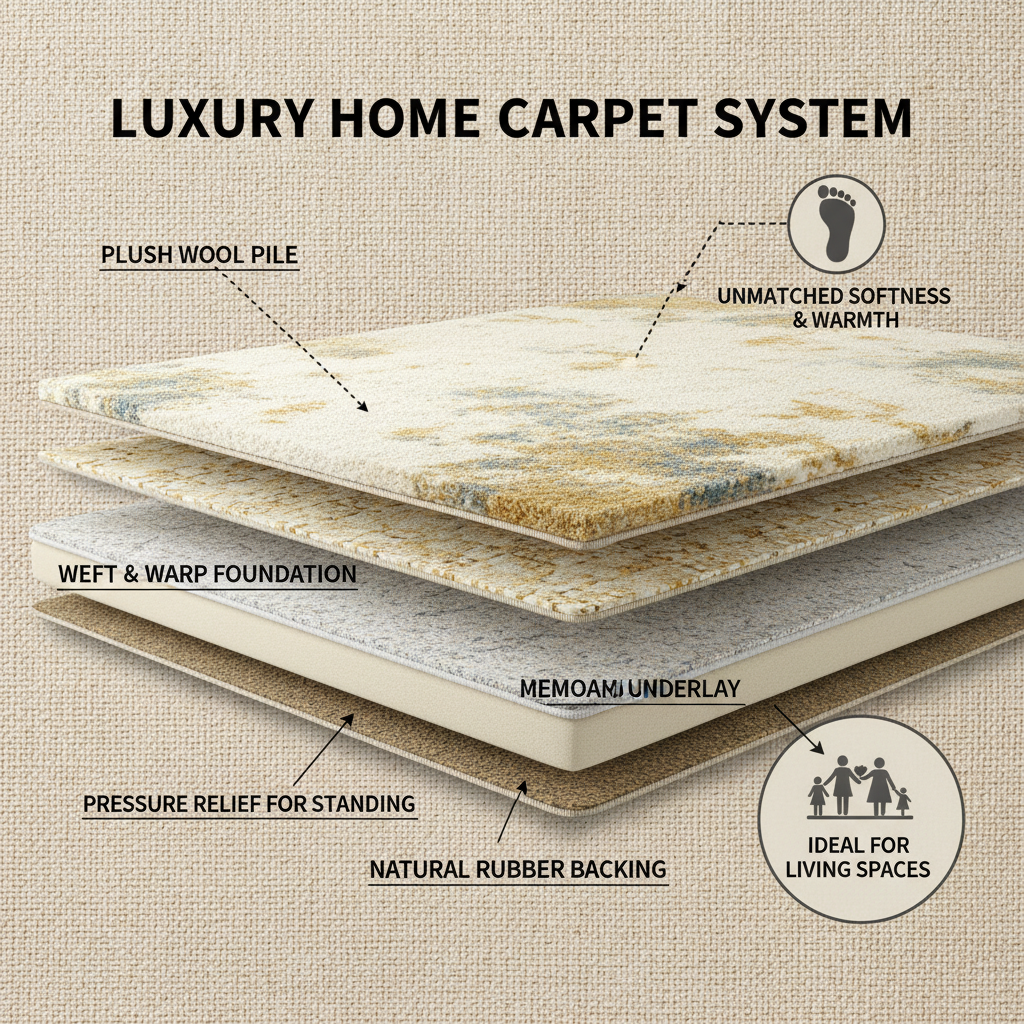
At its core, a high-quality faux fur rug is a complex layering of synthetic fibers, typically consisting of acrylic, polyester, or a blended modality. The "fur" is created through a process of extrusion and heat-setting, where fibers are engineered to mimic the varying lengths and softness of natural hair. This technical approach allows manufacturers to control the sheen, density, and resilience of the pile, ensuring that the rug does not flatten permanently under foot traffic.
The backing of the rug is equally important for its overall performance. Many premium versions now incorporate non-slip latex or TPR (Thermoplastic Rubber) layers, addressing the common safety concern of rug slippage on hardwood or tile floors. This structural integrity prevents the fabric from stretching or warping over time, maintaining the rug's rectangular or organic shape regardless of the room's activity level.
From a technical standpoint, the "hand-feel" is determined by the denier of the fiber. A lower denier results in a finer, silkier thread, which is often found in "plush" variants. Conversely, a higher denier provides the structural rigidity needed for "shaggy" styles. By balancing these components, the industry provides a spectrum of textures that can suit everything from a cozy nursery to a sophisticated executive office.
Key Factors for Selecting Premium Textures
When evaluating faux fur rugs, the first metric of quality is the pile density. A high-density rug prevents the base fabric from showing through and provides a more consistent cushioning effect. This is particularly important for bedroom carpets where the tactile experience upon waking is the primary goal.
Shedding resistance is another critical factor. Lower-grade synthetic rugs often lose fibers during the first few months of use. Premium manufacturing utilizes a "locked-stitch" or heat-bonded technique that secures the fibers more firmly to the backing, drastically reducing shedding and ensuring the rug remains plush and full for years.
Finally, the color fastness and sheen must be considered. High-end faux furs use solution-dyed fibers, meaning the color is integrated into the polymer itself rather than applied to the surface. This prevents fading from sunlight exposure and ensures that the rich tones—from stark white to deep charcoal—remain vibrant throughout the life of the product.
Practical Applications in Modern Interior Design
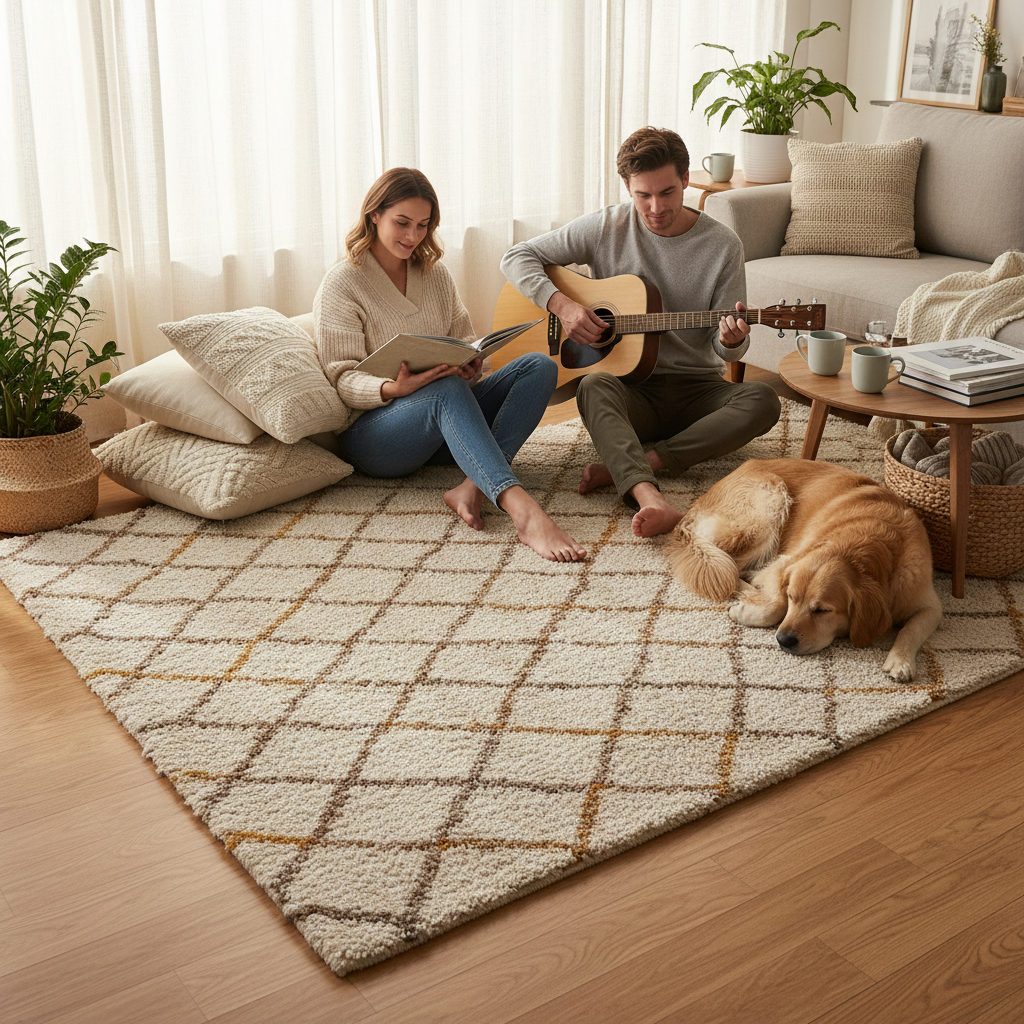
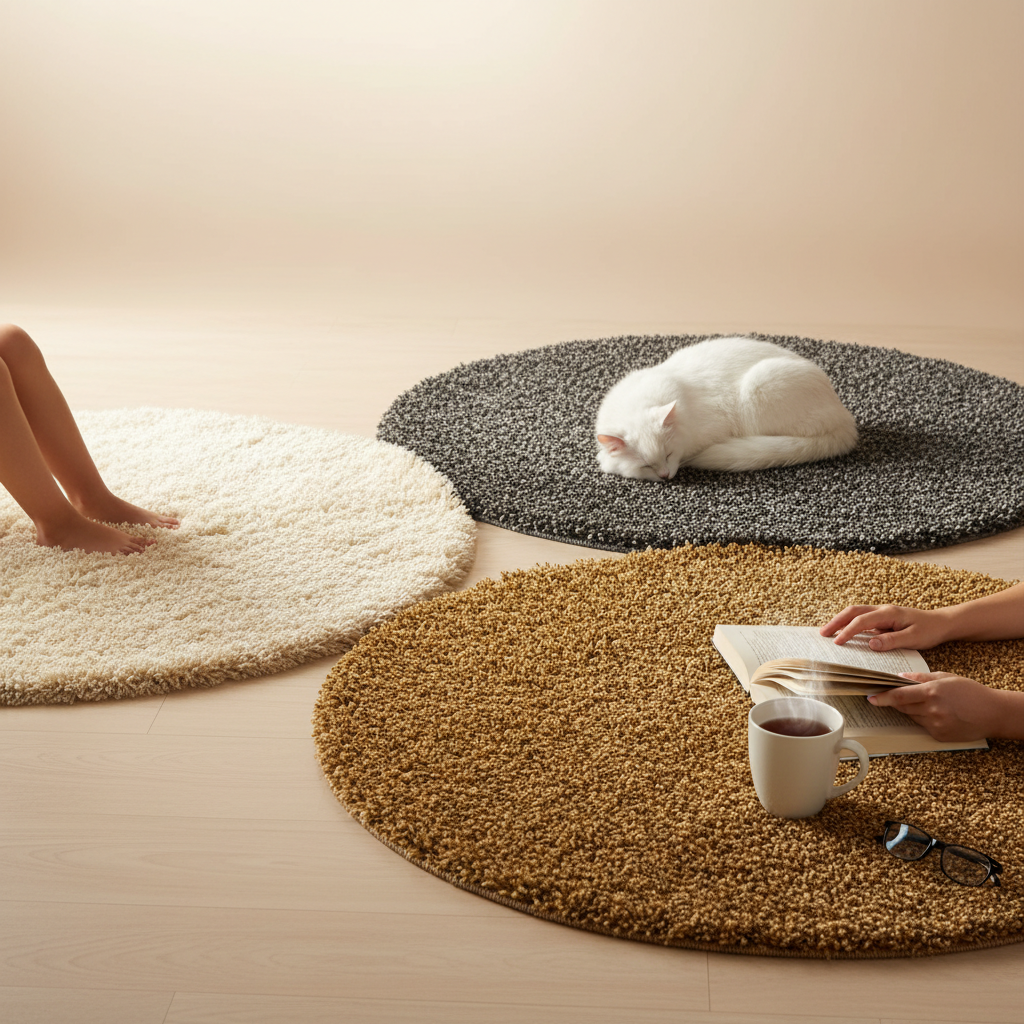
The versatility of faux fur rugs allows them to function in diverse spatial contexts. In the bedroom, a large, soft bedroom carpet placed partially under the bed creates a luxurious transition zone. In the living room, a smaller, accent-style plush carpet can define a reading nook or add warmth to a seating area, breaking up the monotony of hard flooring.
Beyond residential use, these rugs are increasingly found in boutique hotels and high-end retail displays. Their ability to absorb sound makes them ideal for large, echoing spaces, while their visual softness invites customers or guests to linger. The "hygge" trend from Scandinavia has specifically championed the use of these textiles to create a sense of psychological safety and warmth.
Performance Metrics of Different Faux Fur Rug Styles
Environmental Impact and Ethical Value
The primary driver behind the adoption of faux fur rugs is the ethical imperative to eliminate animal cruelty from the home decor supply chain. By utilizing advanced textiles, consumers can enjoy the luxury of fur without contributing to the hunting or farming of animals. This transition has a ripple effect, encouraging other sectors of the textile industry to explore synthetic alternatives that are just as durable and aesthetically pleasing.
From an environmental perspective, the industry is currently moving toward "circularity." The integration of recycled PET (polyethylene terephthalate) from plastic bottles into the rug fibers is reducing the reliance on virgin petroleum-based plastics. This shift not only lowers the carbon footprint of production but also helps divert waste from landfills, turning discarded plastic into high-value home furnishings.
Maintenance and Longevity Strategies
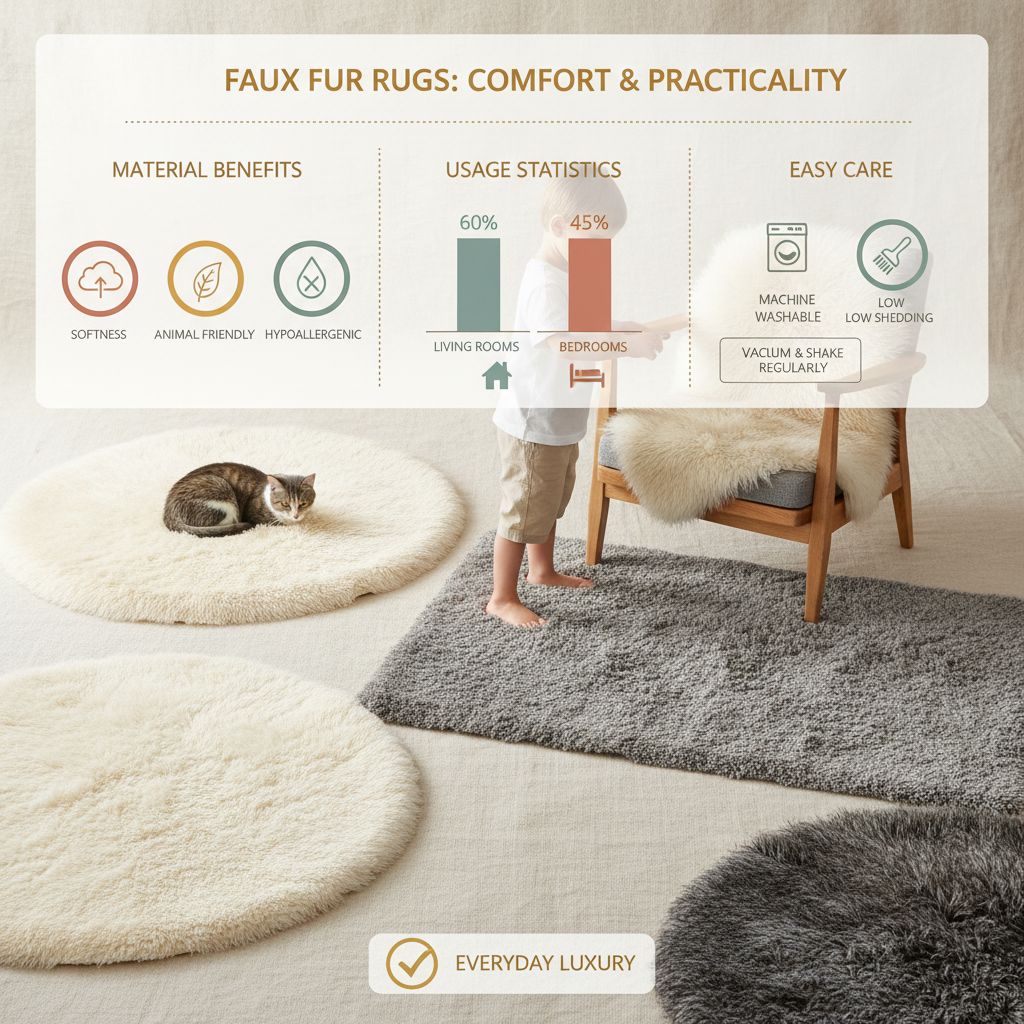
To preserve the luster and softness of faux fur rugs, a specific maintenance regimen is required. Unlike natural fibers, synthetic furs can "mat" or "clump" if exposed to excessive heat or improper cleaning. Regular vacuuming with a low-suction setting or a handheld brush is recommended to remove surface dust and keep the pile upright.
For deeper cleaning, spot treatment with a mild, pH-neutral detergent is far more effective than full immersion. High-temperature water can permanently damage the polymer structure of the fibers, leading to a "singed" or coarse texture. Air drying in a shaded area, away from direct sunlight, prevents the fibers from becoming brittle and keeps the colors from fading.
Professional grooming with a wide-tooth comb or a specialized faux fur brush can revitalize a rug that has been flattened by heavy furniture. By gently brushing the fibers against the grain, the air trapped between the strands is restored, returning the rug to its original voluminous and fluffy state.
Future Innovations in Synthetic Fiber Technology
The next frontier for faux fur rugs lies in the development of "bio-based" polymers. Researchers are currently experimenting with corn-based and algae-based plastics that offer the same durability and softness as acrylic but are fully biodegradable at the end of their lifecycle. This would solve the long-term waste issue associated with synthetic textiles.
Digital transformation is also playing a role in production. 3D knitting technology now allows for the creation of "seamless" rugs with variable pile heights, enabling designers to create complex patterns and textures that were previously impossible. This reduces material waste during the cutting process and allows for hyper-customized sizes to fit unique architectural footprints.
Furthermore, the integration of antimicrobial coatings is becoming standard. By treating the fibers with silver-ion technology or other non-toxic barriers, future rugs will naturally repel allergens, dust mites, and odors, making them an even better choice for families with pets or children.
Analysis of Fiber Technology and Performance in Faux Fur Rugs
| Fiber Material |
Softness Score (1-10) |
Durability Rating |
Eco-Friendliness |
| Standard Acrylic |
8 |
High |
Low |
| Premium Polyester |
7 |
Very High |
Medium |
| Recycled PET Blend |
8 |
High |
High |
| Bio-based Polymer |
9 |
Medium |
Very High |
| Modacrylic Mix |
9 |
Medium |
Medium |
| Viscose Blend |
10 |
Low |
Medium |
FAQS
To prevent matting, avoid using high-heat vacuum cleaners or steam cleaners, as the synthetic fibers can melt slightly and stick together. Instead, use a low-suction setting and gently brush the pile with a wide-tooth comb or a faux fur brush once a week. This keeps the fibers separated and airy, maintaining that signature fluffy look.
Yes, generally they are. Because they are made from synthetic polymers rather than animal proteins, they do not contain the natural allergens found in wool or real fur. Furthermore, many modern faux fur rugs are treated with antimicrobial coatings that resist dust mites, making them a safer choice for households with allergies or sensitive pets.
It depends on the backing. If the label says "machine washable," use a cold, gentle cycle with a mild detergent and avoid fabric softeners, which can coat the fibers and make them clump. However, for most premium rugs, spot cleaning is recommended to preserve the pile height and prevent the backing from separating. Always air dry; never put a faux fur rug in a dryer.
Modern faux fur rugs provide comparable thermal insulation. They trap air between the synthetic fibers, creating a barrier that keeps heat in and cold out. While real fur has a slightly different breathability profile, synthetic versions are often denser, which can actually provide a superior feeling of warmth on cold floors.
Act quickly by blotting the spill with a clean, white microfiber cloth. Do not rub, as rubbing pushes the liquid deeper into the pile and can distort the fibers. Once the excess is removed, use a mixture of lukewarm water and a drop of dish soap to gently dab the area. Let it air dry and brush the fur back into place once dry.
High-quality synthetic rugs typically shed significantly less than natural wool or animal hide rugs. Because the fibers are extruded and bonded to the backing through industrial heat-setting, they are more secure. Some initial shedding is normal for new rugs, but a premium product will stabilize quickly after the first few vacuumings.
Conclusion
In summary, faux fur rugs represent the perfect intersection of luxury, ethics, and functionality. From their complex polymer composition and high pile density to their ability to transform the acoustic and thermal environment of a room, these textiles offer a sustainable alternative to traditional luxury flooring without compromising on the tactile experience. By prioritizing quality metrics like shedding resistance and fiber denier, homeowners can ensure a long-lasting investment in their home's comfort.
Looking forward, the integration of bio-plastics and antimicrobial technologies will continue to elevate these products from simple decor to health-conscious home essentials. Whether you are designing a sanctuary in your bedroom or adding a touch of opulence to your living space, choosing high-quality synthetic furs is a statement of both style and conscience. Enhance your living space today by exploring our curated collection at www.yigoodhome.com.