Plush area rugs for living room have become a cornerstone of modern interior design, offering a blend of comfort, style, and functionality. Their appeal transcends geographical boundaries, finding a place in homes across the globe. Understanding the nuances of these rugs – from material composition to pile height – empowers consumers to make informed decisions that perfectly complement their living spaces and lifestyles. The global market for rugs, including plush varieties, continues to grow, fueled by increasing disposable incomes and a greater emphasis on home aesthetics.
The demand for plush area rugs for living room isn't merely a trend; it reflects a fundamental human desire for warmth, texture, and visual appeal within the home. This demand is driving innovation in materials, manufacturing processes, and design aesthetics. Manufacturers are increasingly focused on sustainability, offering eco-friendly options to cater to environmentally conscious consumers. Furthermore, the rise of e-commerce has made these rugs more accessible than ever before, allowing customers to easily browse and purchase from a vast selection of styles and sizes.
Ultimately, a well-chosen plush area rug transforms a living room from a functional space into a welcoming sanctuary. These rugs aren’t just floor coverings; they’re investments in comfort, style, and the overall well-being of a household. With a myriad of options available, finding the perfect plush rug is within reach for anyone seeking to elevate their home décor.
The Importance of Plush Area Rugs for Living Room
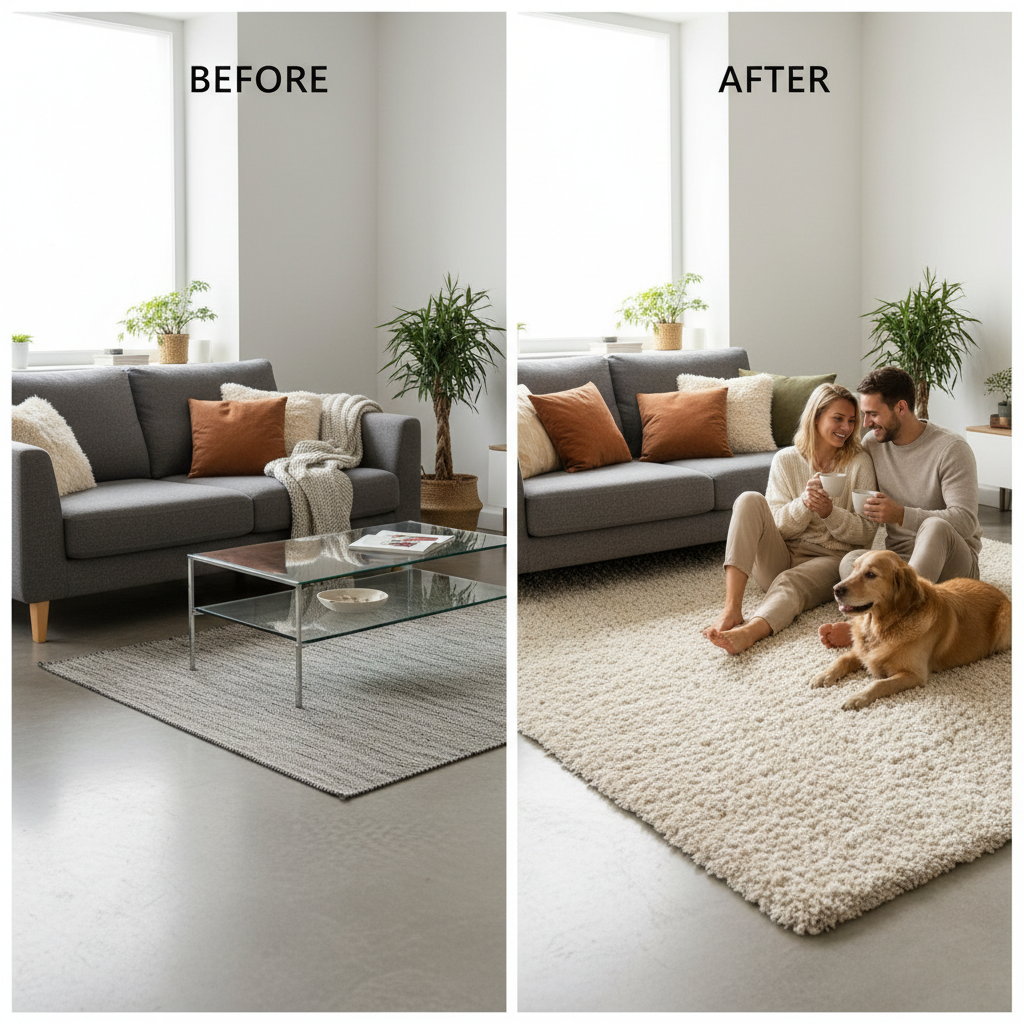
The living room often serves as the heart of a home, a space for relaxation, socializing, and creating lasting memories. Plush area rugs for living room play a crucial role in defining this space, adding warmth, texture, and a focal point for the entire room. They contribute significantly to the overall aesthetic, influencing the mood and atmosphere of the living environment. The impact extends beyond visual appeal, offering a comfortable surface for children to play and a cozy retreat for adults to unwind.
Beyond their functional and aesthetic benefits, plush area rugs for living room can also improve indoor air quality by trapping dust and allergens. Selecting the right rug can minimize noise pollution, creating a more peaceful and serene living space. With a wide variety of colors, patterns, and materials available, these rugs offer endless possibilities for personal expression and interior design customization.
Defining Plush Area Rugs for Living Room
Plush area rugs for living room are characterized by their deep, soft pile, creating a luxurious and comfortable feel underfoot. Typically made from materials like polyester, nylon, or wool, these rugs boast a high pile height, often exceeding 1 inch, resulting in a dense and inviting texture. The "plush" designation refers specifically to this tactile quality, distinguishing them from flatweave or low-pile rug options. These rugs offer significant visual texture, creating a sense of depth and warmth within a space.
The construction of a plush area rug also contributes to its defining characteristics. Often, these rugs are made using a cut pile technique, where the yarn loops are cut to create individual strands, enhancing the softness and density. Different cut pile styles, such as shag or frieze, further differentiate the aesthetic and performance characteristics of plush rugs. The connection to modern living spaces stems from the increasing desire for comfort and tactile experiences in interior design.
These rugs aren't merely decorative items; they're integral components of interior design, influencing the overall atmosphere and functionality of a living room. They are a popular choice for creating a cozy and inviting space, making them a staple in homes worldwide.
Key Factors Influencing Plush Area Rug Quality
Several key factors determine the quality and longevity of plush area rugs for living room. Material composition is paramount; wool rugs are known for their durability, natural stain resistance, and luxurious feel, while synthetic options like polyester and nylon offer affordability and ease of maintenance. The density of the pile also significantly impacts quality – a higher pile density generally indicates a more durable and comfortable rug.
Construction method plays a vital role as well. Hand-tufted rugs are typically higher quality and more durable than machine-made options, though they come with a higher price tag. The quality of the backing also contributes to the rug's overall stability and prevents slipping. Finally, the rug’s knot count (for hand-knotted rugs) and weave density (for machine-made rugs) are key indicators of its quality and craftsmanship.
Consideration of these factors allows consumers to select a plush area rug for living room that not only meets their aesthetic preferences but also stands up to the demands of daily use, ensuring years of comfort and enjoyment. A higher initial investment in a quality rug can often translate to long-term savings and satisfaction.
Applications of Plush Area Rugs in Interior Design
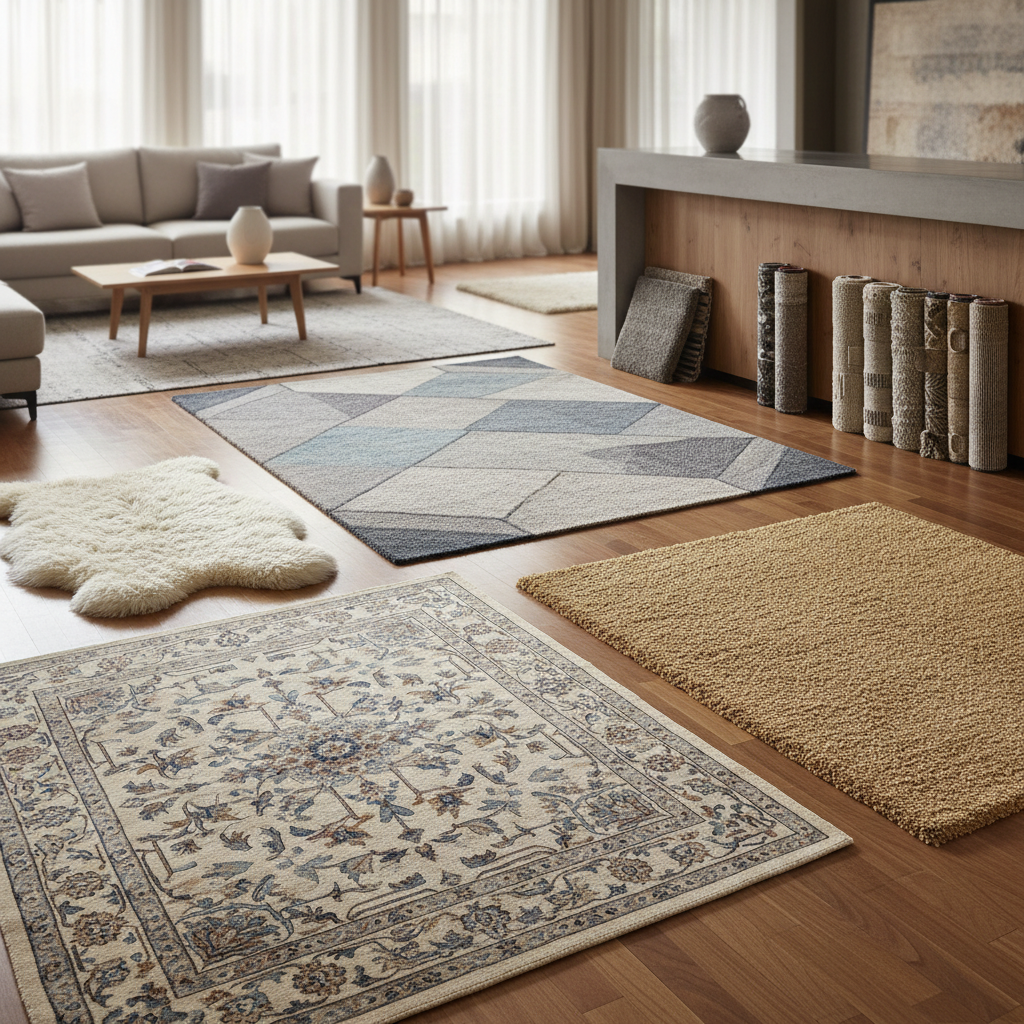
Plush area rugs for living room are remarkably versatile, adapting to a wide range of interior design styles. In contemporary spaces, a shag rug in a neutral tone can anchor a seating area, providing a soft contrast to clean lines and minimalist furniture. For more traditional settings, a richly colored plush rug with an ornate pattern can add warmth and sophistication. The placement of the rug is also crucial.
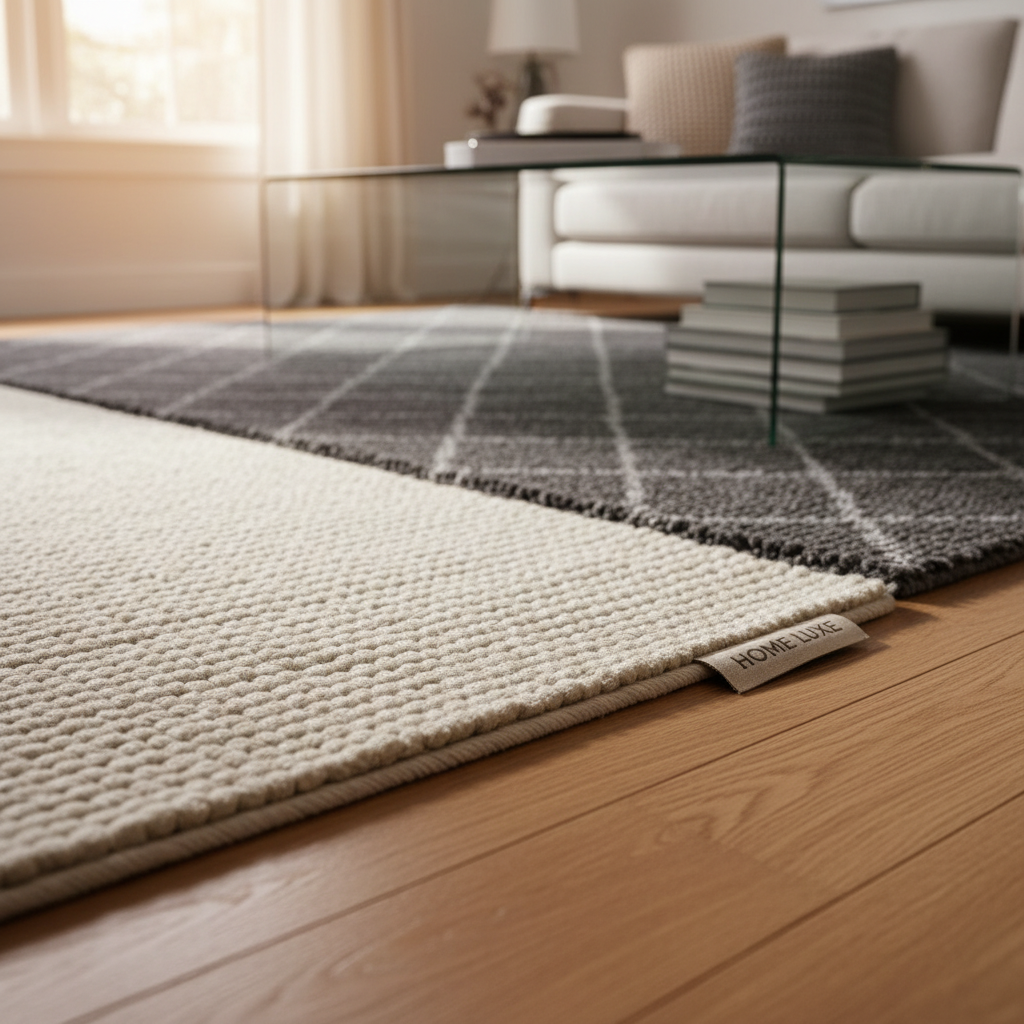
These rugs can be used to define distinct zones within an open-concept living area, such as a conversation nook or a reading corner. Layering a smaller plush rug over a larger, more durable rug can add texture and visual interest. Moreover, they can serve as a bold statement piece, introducing color and pattern to an otherwise neutral space.
Plush Area Rug Styles & Popularity
Advantages and Long-Term Value of Using Plush Rugs
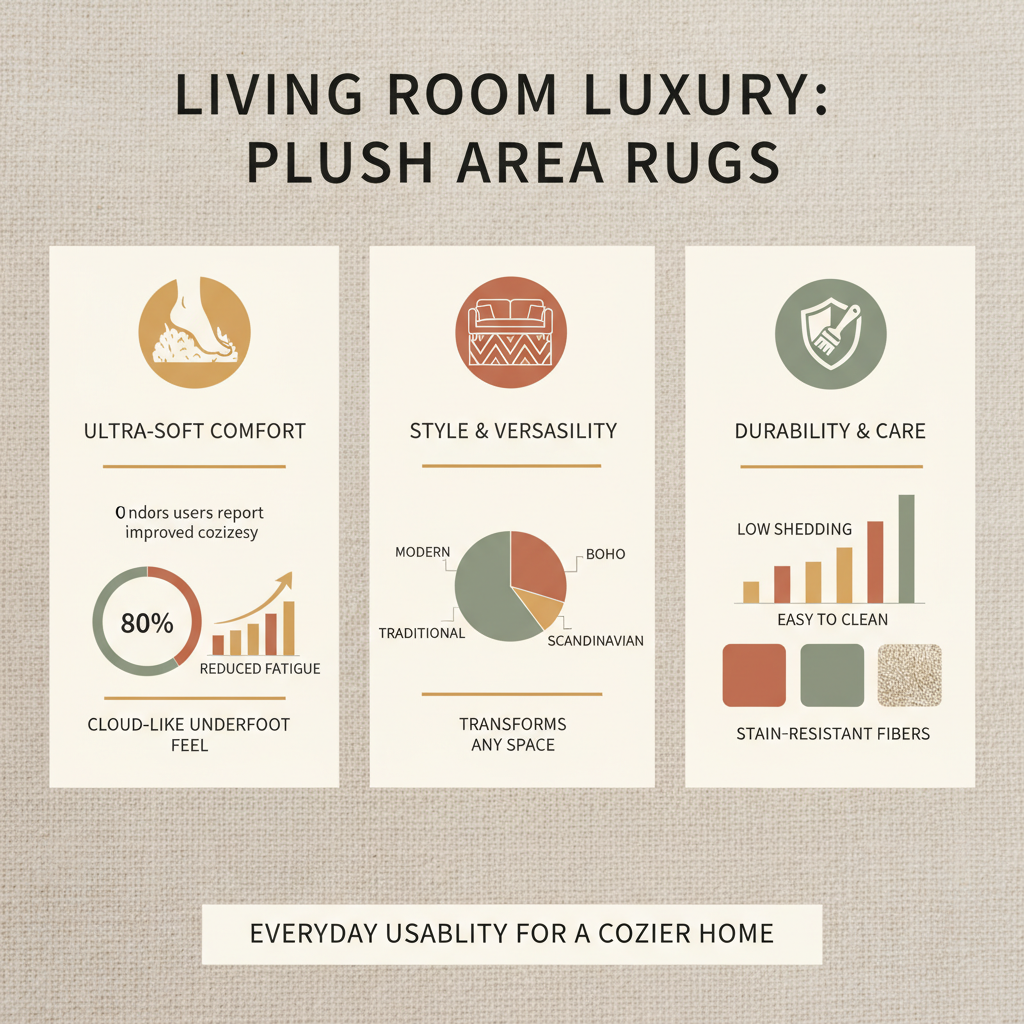
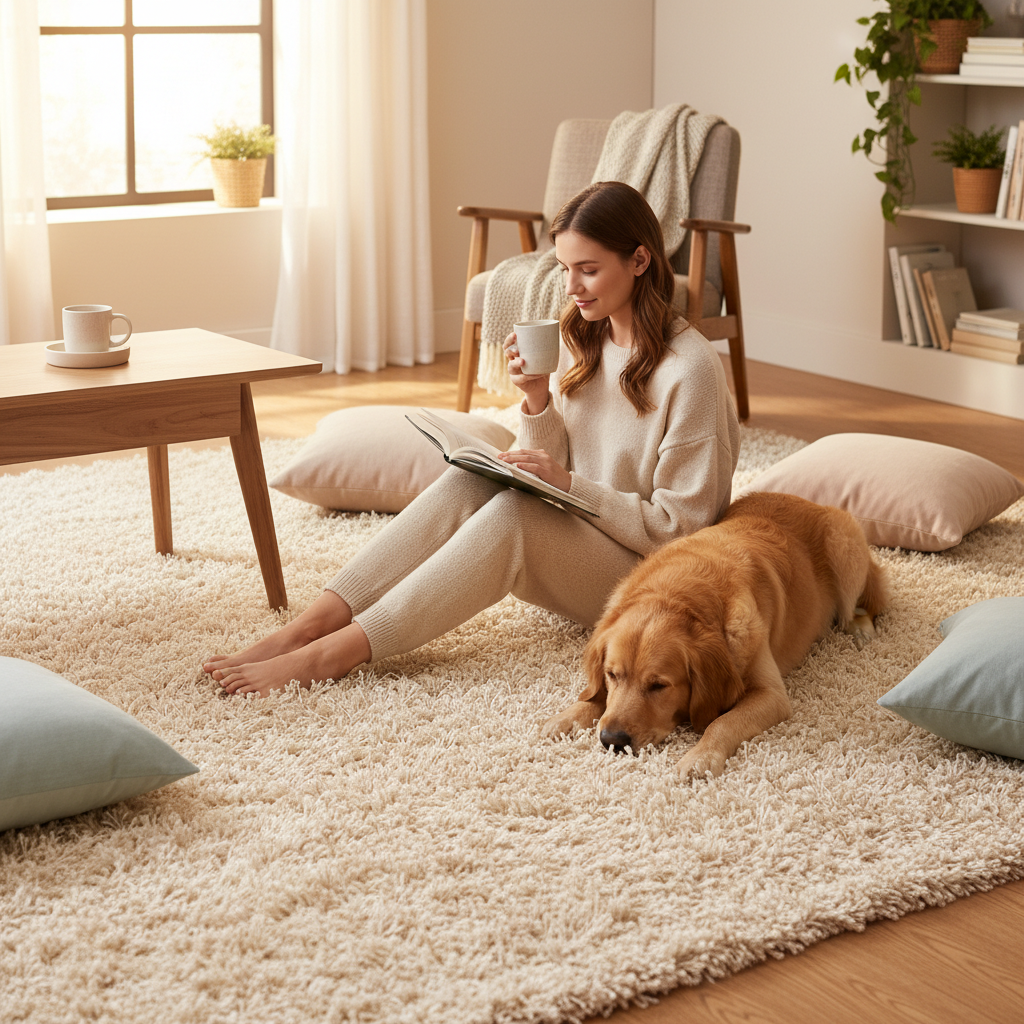
The advantages of choosing plush area rugs for living room extend far beyond aesthetics. The comfort they provide is a significant benefit, creating a welcoming and relaxing atmosphere. They offer a soft surface for children and pets, reducing the risk of injury. Additionally, plush rugs act as natural sound absorbers, minimizing noise levels and enhancing the tranquility of the living space.
From a long-term value perspective, a high-quality plush rug can be a worthwhile investment. Durable materials like wool can withstand years of use, maintaining their appearance and functionality. Proper care and maintenance, including regular vacuuming and professional cleaning, can further extend the rug’s lifespan. Moreover, a well-chosen rug can increase the overall value of a home, enhancing its appeal to potential buyers.
Future Trends in Plush Area Rug Materials and Design
The future of plush area rugs for living room lies in sustainable materials and innovative designs. Recycled polyester and plant-based fibers are gaining popularity as eco-friendly alternatives to traditional materials. Manufacturers are exploring new weaving techniques to create even plusher and more durable rugs. We're also seeing a shift towards more textured and layered designs, incorporating elements like carving and embossing.
Smart rugs, incorporating technology like integrated lighting or sensors, are also emerging as a potential trend. These rugs could offer features like customizable lighting effects or the ability to detect foot traffic. Furthermore, personalization will become increasingly important, with consumers seeking rugs that reflect their unique style and preferences.
The integration of digital design tools, allowing customers to visualize rugs in their own homes before purchase, will also become more prevalent, enhancing the shopping experience and reducing the risk of dissatisfaction.
Challenges and Sustainable Solutions in Plush Rug Production
The production of plush area rugs for living room faces challenges related to sustainability and ethical sourcing. Traditional materials like wool can have environmental impacts related to land use and animal welfare. Synthetic materials, while more affordable, often rely on fossil fuels and can contribute to plastic pollution. Furthermore, the manufacturing process can generate waste and consume significant amounts of energy.
Sustainable solutions involve adopting eco-friendly materials like recycled polyester, organic cotton, and plant-based fibers. Implementing responsible wool sourcing practices, ensuring animal welfare and minimizing land degradation, is also crucial. Manufacturers can reduce waste by optimizing production processes and utilizing recycled materials.
Investing in energy-efficient technologies and renewable energy sources can further minimize the environmental footprint of plush rug production. Transparency in the supply chain, allowing consumers to trace the origins of their rugs, is also becoming increasingly important.
Overview of Sustainable Practices in Plush Rug Production
| Material Source |
Environmental Impact |
Ethical Considerations |
Sustainability Score (1-10) |
| Recycled Polyester |
Reduces plastic waste, lower carbon footprint than virgin polyester. |
Minimizes reliance on fossil fuels. |
8 |
| Organic Wool |
Renewable resource, biodegradable. |
Requires responsible animal welfare practices. |
7 |
| Plant-Based Fibers (e.g., Jute, Sisal) |
Rapidly renewable, biodegradable. |
Potential for land use conflicts. |
6 |
| Conventional Nylon |
High energy consumption, relies on fossil fuels. |
Limited ethical concerns. |
3 |
| Bamboo Viscose |
Fast-growing resource, biodegradable. |
Chemical-intensive processing. |
5 |
| SeaCell |
Utilizes seaweed waste, sustainable processing. |
Ensures responsible harvesting of seaweed. |
9 |
FAQS
Regular vacuuming, ideally 2-3 times a week, is crucial for maintaining the cleanliness of your plush area rug. For deeper cleaning, professional rug cleaning is recommended every 12-18 months. Avoid using harsh chemicals or abrasive cleaners, as these can damage the fibers. Spot clean spills immediately with a mild detergent and water, blotting gently rather than rubbing. Always test any cleaning solution in an inconspicuous area first to ensure colorfastness.
Shedding is a natural occurrence, particularly with new plush area rugs for living room. Vacuuming regularly helps remove loose fibers. Avoid excessive foot traffic in the initial weeks. Using a rug pad underneath can also minimize shedding by providing a stable base and reducing friction. Some shedding may persist for several months, but it will typically decrease over time.
For a large living room, a rug that’s large enough to anchor the entire seating area is generally recommended. All furniture legs should ideally be on the rug, or at least the front legs. As a general rule, leave about 18-24 inches of bare floor around the perimeter of the rug. Consider the layout of your furniture and the overall dimensions of the room when choosing the appropriate size.
Plush rugs can be suitable for homes with pets, but careful consideration is needed. Choose rugs made from durable, stain-resistant materials like nylon or polyester. Regular vacuuming is essential to remove pet hair and dander. Consider using a rug protector spray to help repel stains. Promptly clean up any accidents to prevent permanent damage.
Both shag and frieze are types of plush area rugs, but they differ in their texture and appearance. Shag rugs have long, loosely twisted fibers creating a very plush and luxurious feel. Frieze rugs have tightly twisted fibers that curl and kink, resulting in a more textured and informal look. Shag rugs are incredibly soft but can be more prone to matting, while frieze rugs are more durable and hide footprints well.
Yes, a rug pad is highly recommended. It provides several benefits, including preventing the rug from slipping, protecting your flooring from scratches and wear, and adding extra cushioning and comfort. A rug pad also helps to extend the life of your rug by reducing friction and preventing fiber damage. Choose a rug pad that is specifically designed for plush rugs to ensure optimal performance.
Conclusion
In conclusion, plush area rugs for living room are more than just decorative elements; they are integral components of a comfortable, stylish, and inviting home. From their ability to enhance aesthetics and provide warmth to their functional benefits like noise reduction and air quality improvement, these rugs offer a multitude of advantages. Understanding the key factors influencing quality, exploring future trends, and embracing sustainable solutions ensures informed choices for consumers and responsible practices for manufacturers.
Investing in a high-quality plush area rug is an investment in the long-term comfort and enjoyment of your living space. As technology and materials continue to evolve, we can expect to see even more innovative and sustainable options emerge, further solidifying the role of these rugs as a cornerstone of modern interior design. Explore our collection of plush area rugs for living room today and discover the perfect addition to your home.