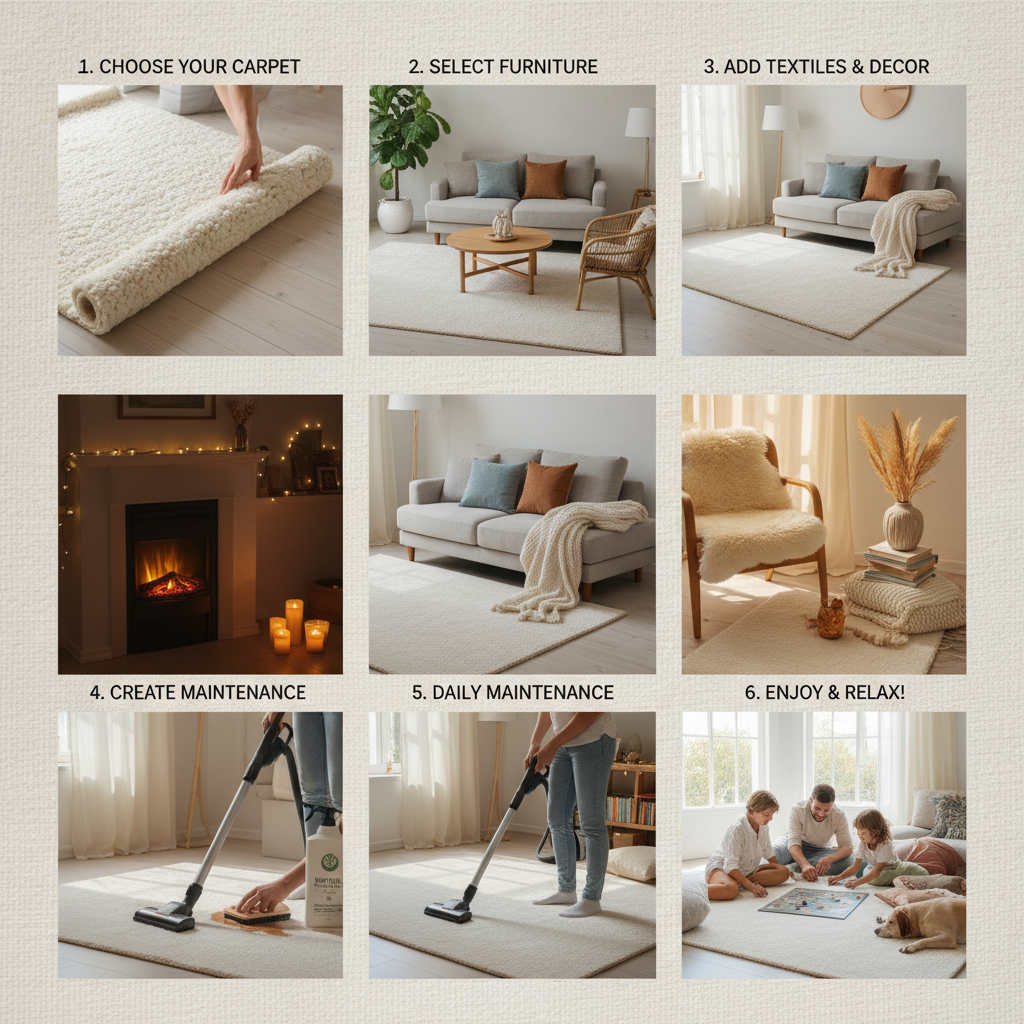
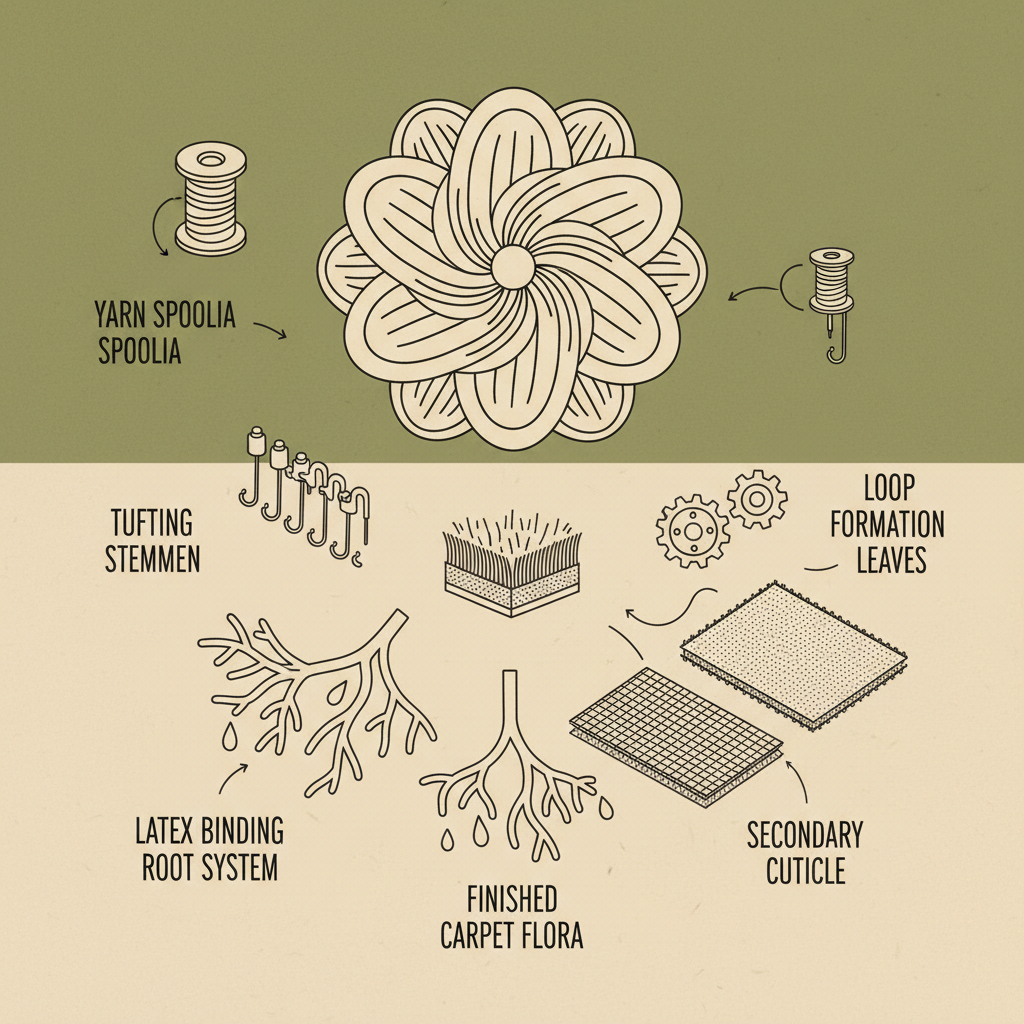
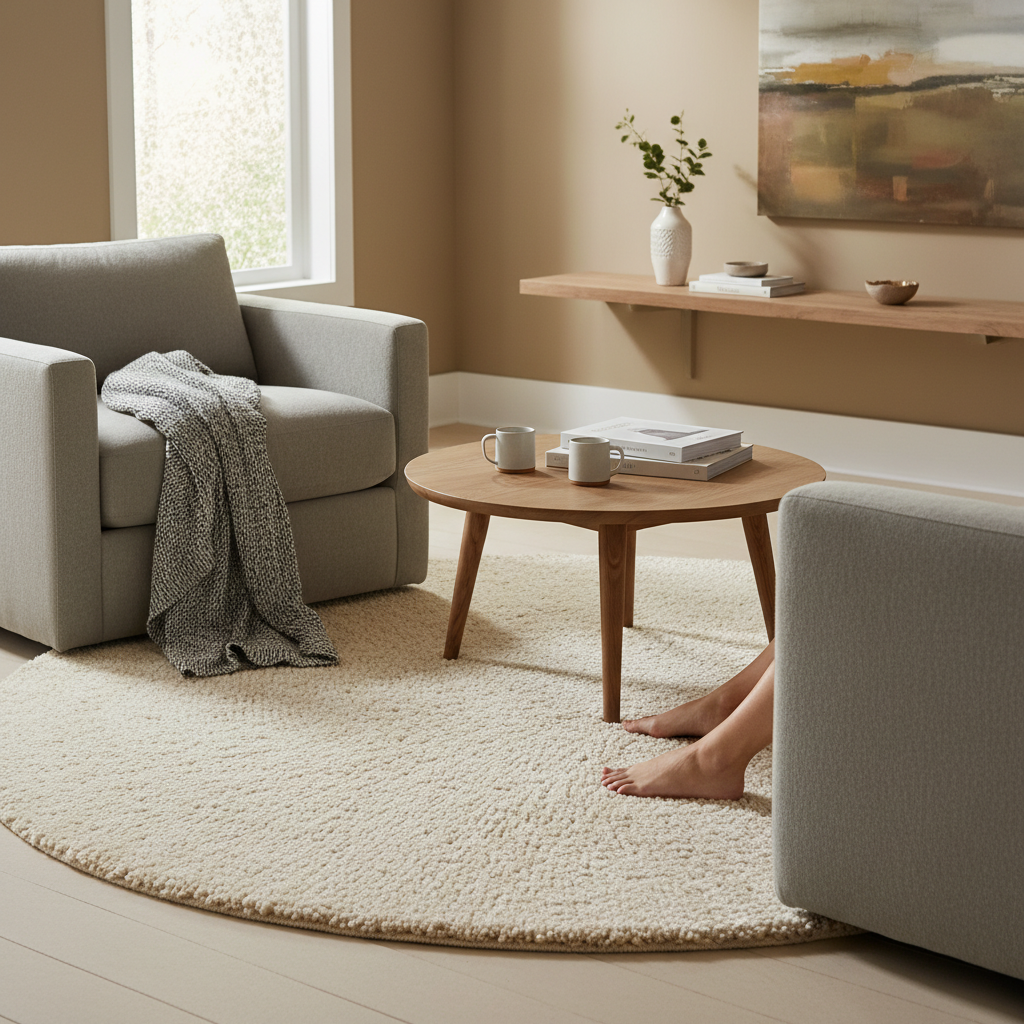
Understanding the diverse world of kinds of carpet is crucial in today’s globalized market, impacting everything from interior design and comfort to large-scale commercial and industrial applications. The selection of the right carpet influences aesthetics, functionality, and even sustainability efforts. Recognizing these varied types allows for informed decision-making, optimizing performance, and aligning choices with specific needs.
Globally, the carpet industry is a multi-billion dollar market, with significant production hubs in Asia, Europe, and North America. According to data from the World Bank, the demand for floor coverings, including carpets, is steadily increasing alongside urbanization and rising disposable incomes. This growth presents opportunities but also challenges related to material sourcing, manufacturing processes, and waste management. The understanding of different kinds of carpet is paramount for navigating this landscape effectively.
Ultimately, knowledge about the various types of carpets empowers consumers, businesses, and designers alike. It facilitates better resource allocation, promotes responsible consumption, and drives innovation within the industry. From luxurious wool carpets to durable synthetic options, each type offers unique advantages and caters to specific applications, contributing to a more informed and sustainable flooring market.
The Significance of Understanding Kinds of Carpet
The array of kinds of carpet available today is vast, each designed for specific purposes and environments. Understanding these differences goes beyond aesthetics; it’s about selecting a product that aligns with practical needs such as foot traffic, maintenance requirements, and budget constraints. A comprehensive understanding ensures longevity and satisfaction with your flooring investment.
Recognizing the distinct properties of different carpet fibers, constructions, and backing materials allows for informed decisions. This knowledge empowers consumers and businesses to optimize performance, reduce lifecycle costs, and contribute to a more sustainable environment by choosing materials appropriate for their use.
Defining Kinds of Carpet
Simply put, kinds of carpet encompass a wide range of floor coverings made from various fibers woven or tufted onto a backing material. These fibers can be natural, like wool and sisal, or synthetic, such as nylon, polyester, and polypropylene. The method of construction – whether it’s loop pile, cut pile, or a combination – significantly affects the carpet's texture, appearance, and durability.
The definition extends beyond just the materials; it includes the backing systems, which provide stability and cushioning. Different backing types, like jute, synthetic polypropylene, and rubber, influence the carpet's performance and suitability for various applications. Recognizing these components is key to understanding the overall quality and value of a carpet.
In the modern industry, carpet manufacturing is constantly evolving with new technologies and materials. This allows for specialized carpets tailored to meet specific requirements, from high-performance commercial settings to comfortable and stylish residential spaces, all falling under the broad umbrella of 'kinds of carpet.'
Core Characteristics of Different Carpet Types
Several core characteristics distinguish the various kinds of carpet. Firstly, fiber type heavily influences factors like stain resistance, texture, and cost. Wool, known for its natural resilience and luxurious feel, is typically more expensive than synthetic options like nylon. Secondly, pile height and density determine the carpet’s comfort and durability. Higher, denser piles generally provide a plusher feel and better wear resistance.
Thirdly, the construction method significantly impacts appearance and performance. Loop pile carpets are highly durable and resist crushing, while cut pile carpets offer a softer, more formal look. Finally, the backing material provides stability and contributes to the carpet's overall lifespan. A robust backing is crucial for withstanding heavy foot traffic and preventing delamination.
These characteristics aren’t isolated; they interact to create the final product. For instance, a high-density nylon carpet with a loop pile construction will offer exceptional durability, making it ideal for commercial spaces, while a low-density polyester carpet with a cut pile may be more suitable for bedrooms where comfort is paramount.
Durability and Wear Resistance in Kinds of Carpet
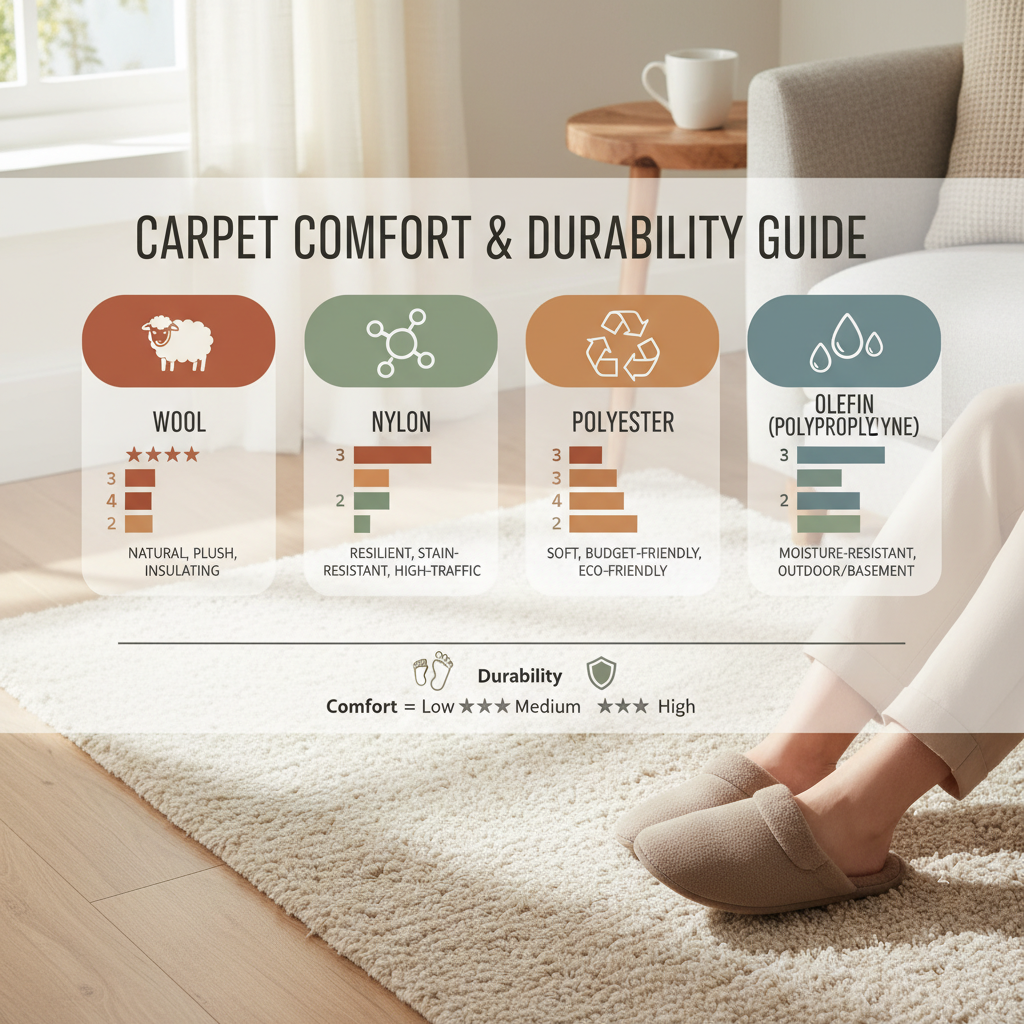
Durability and wear resistance are paramount when evaluating kinds of carpet, particularly in high-traffic areas. Nylon consistently ranks highest in durability, boasting excellent resilience, stain resistance, and resistance to crushing. Polyester offers good stain resistance but is less resilient than nylon, making it suitable for lower-traffic areas.
Wool, while naturally resilient, is susceptible to staining and requires professional cleaning. Polypropylene (olefin) is highly stain-resistant and affordable, but it’s less durable than nylon or wool. The construction method also plays a crucial role – loop pile carpets generally outperform cut pile carpets in terms of wear resistance.
Wear Resistance Comparison of Kinds of Carpet
Global Applications of Kinds of Carpet
The applications of different kinds of carpet are incredibly diverse globally. In residential settings, plush carpets are favored for bedrooms and living rooms, prioritizing comfort and aesthetics. Commercial spaces, such as offices and hotels, often utilize durable, low-pile carpets capable of withstanding high foot traffic and frequent cleaning.
In healthcare facilities, antimicrobial carpets are crucial for maintaining hygienic environments. Educational institutions frequently opt for stain-resistant and durable carpets designed to withstand heavy use. The automotive industry utilizes carpeting for sound dampening and aesthetic purposes.
The Long-Term Value Proposition of Kinds of Carpet
Investing in the right kinds of carpet offers significant long-term value. Durable carpets require less frequent replacement, reducing lifecycle costs. High-quality carpets improve indoor air quality by trapping allergens and dust. Choosing sustainable materials and manufacturing processes minimizes environmental impact.
Beyond the tangible benefits, carpets contribute to a sense of comfort and well-being, enhancing the aesthetic appeal of any space. A well-chosen carpet can also reduce noise levels, creating a more peaceful and productive environment. Ultimately, selecting the right carpet is an investment in both functionality and quality of life.
From a business perspective, the use of appropriate carpet can also project a specific brand image, conveying quality, comfort, or sophistication to clients and customers.
Future Trends and Innovations in Kinds of Carpet
The future of kinds of carpet is focused on sustainability and innovation. Recycled materials, such as plastic bottles and fishing nets, are increasingly used in carpet manufacturing. Bio-based fibers, derived from renewable resources, are gaining popularity as eco-friendly alternatives. Digital printing technologies allow for customized carpet designs and reduced waste.
Smart carpets, incorporating sensors and data analytics, are emerging as a new trend, offering features such as fall detection and occupancy monitoring. Nanotechnology is being used to enhance stain resistance and durability. These advancements are poised to revolutionize the carpet industry, creating more sustainable, functional, and aesthetically pleasing floor coverings.
Automation in manufacturing processes and the integration of artificial intelligence in design and quality control will further optimize production efficiency and reduce costs in the long run.
Summary of Key Factors Influencing Future Carpet Development
| Material Innovation |
Technological Advancement |
Sustainability Initiatives |
Consumer Demand |
| Recycled Fiber Integration |
Digital Printing Adoption |
Reduced Carbon Footprint |
Demand for Eco-Friendly Products |
| Bio-Based Fiber Research |
Smart Carpet Technologies |
Waste Reduction Strategies |
Personalized Design Preferences |
| Nanotechnology Applications |
AI-Driven Quality Control |
Circular Economy Models |
Enhanced Comfort & Performance |
| Development of Novel Fibers |
Automated Manufacturing |
Ethical Sourcing of Materials |
Increasing Awareness of Indoor Air Quality |
| Increased Use of Renewable Resources |
Integration of Sensor Technology |
Life Cycle Assessment (LCA) |
Preference for Low-Maintenance Options |
| Exploring Alternative Textile Waste |
Predictive Maintenance Systems |
Transparency in Supply Chains |
Demand for Customized Solutions |
FAQS
For high-traffic areas, nylon is generally considered the most durable kind of carpet. It boasts excellent resilience, resisting crushing and wear, while also offering good stain resistance. Loop pile constructions further enhance durability, as they minimize fiber loss. Consider a high-density nylon carpet with a loop pile for optimal performance in busy spaces like hallways and offices.
The lifespan of your carpet depends on factors like fiber type, pile height, foot traffic, and maintenance. Generally, a well-maintained nylon carpet can last 10-15 years, while polyester carpets may need replacing after 5-10 years. Regularly vacuuming, prompt stain removal, and professional cleaning can significantly extend your carpet's lifespan. Signs it’s time to replace include visible wear, persistent odors, and difficulty cleaning.
Wool is a renewable resource and a naturally sustainable fiber. However, the environmental impact of wool production depends on farming practices. Look for carpets made from sustainably sourced wool with certifications like Woolmark or the Responsible Wool Standard. While wool is biodegradable, its cleaning often requires harsher chemicals than synthetic carpets, which should also be considered.
For pet owners, stain resistance and ease of cleaning are paramount. Nylon and polypropylene carpets are excellent choices, as they resist pet stains and odors. Loop pile constructions are also beneficial, as they don’t snag easily from pet claws. Regular vacuuming and professional cleaning are crucial for maintaining a hygienic environment and minimizing pet-related damage.
Carpet pile height affects both comfort and durability. Lower pile heights (under 1/4 inch) are ideal for high-traffic areas, as they are more durable and easier to clean. Medium pile heights (1/4 to 1/2 inch) offer a balance of comfort and durability, suitable for most rooms. Higher pile heights (over 1/2 inch) provide a luxurious feel but are less durable and require more maintenance, making them best for bedrooms or low-traffic areas.
While no carpet is completely hypoallergenic, some are better suited for allergy sufferers. Low-pile carpets trap less dust and allergens than high-pile carpets. Synthetic fibers like nylon and polypropylene are less likely to harbor allergens than natural fibers like wool. Regular vacuuming with a HEPA filter vacuum cleaner is essential for removing allergens from any carpet type.
Conclusion
From understanding fiber types and construction methods to assessing durability and sustainability, a comprehensive knowledge of kinds of carpet is vital for making informed decisions. Choosing the right carpet isn’t simply about aesthetics; it’s an investment in comfort, longevity, and overall well-being. By carefully considering your needs and priorities, you can select a carpet that perfectly complements your space and lifestyle.
Looking ahead, the carpet industry will continue to innovate, driven by a growing demand for sustainable and high-performance products. Embracing these advancements and prioritizing responsible consumption will pave the way for a more eco-friendly and aesthetically pleasing future for flooring solutions. Visit our website at www.yigoodhome.com to explore our diverse range of carpets and find the perfect fit for your needs.