




Large Faux Rug Guide – Stylish, Affordable, and Sustainable Floor Coverings
The Rise of the Large Faux Rug: Why It’s More Than Just Decor
If you’re skimming through interior design trends or prepping a home makeover, you've probably heard about the large faux rug phenomenon buzzing across living rooms and offices around the world. But beyond the obvious style statement, these oversized, synthetic masterpieces carry a surprisingly broad significance — from sustainability angles to economic practicality. Understanding why a large faux rug matters today isn't just about our home aesthetics; it’s about informed consumer choices, environmental impact, and the subtle art of combining style with responsibility.
Global Context: The Expanding Market and Environmental Relevance
Globally, the market for synthetic home textiles, including faux rugs, is projected to grow by double digits in the next five years (ISO reports). The push for alternative materials stems largely from ecological concerns: natural fiber rugs often involve intensive water use and pesticides, while synthetic—but recyclable—faux options offer a different footprint. Plus, with urban populations swelling and people seeking cozy, affordable ways to liven indoor spaces, the need for large-scale rug solutions is bigger than ever.
However, as demand for large faux rugs surges, so does scrutiny on manufacturing sustainability and product life cycles. How can producers balance affordability, comfort, and a lower environmental impact? This challenge makes the humble large faux rug an interesting pivot point — a small decor element with wide-reaching implications.
Mini takeaway: The large faux rug trend is tied to environmental consciousness and urban living dynamics, making it more than just a style choice.
Defining Large Faux Rugs: What Exactly Are We Talking About?
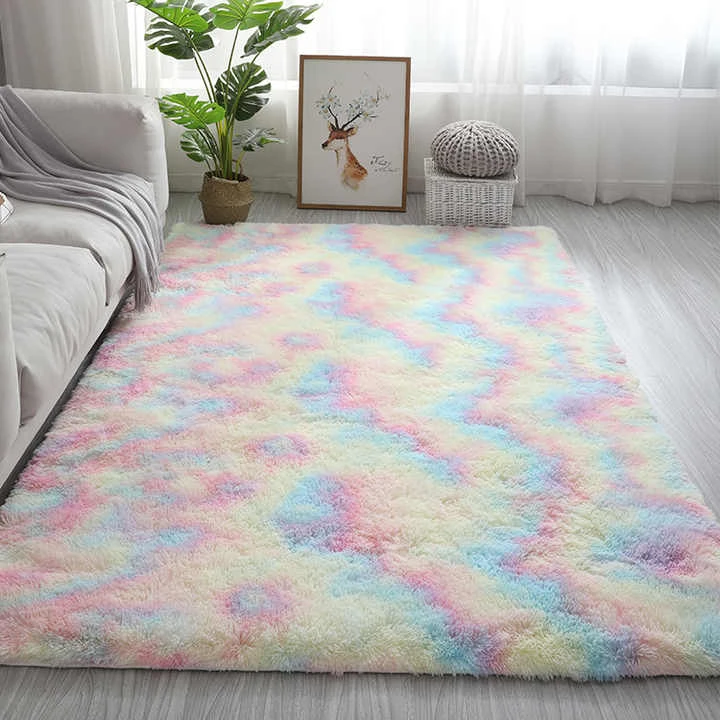
Simply put, large faux rugs are rugs that cover a significant floor area (usually 6ft by 9ft or bigger) made from synthetic fibers designed to mimic traditional natural materials like wool, silk, or cotton. Their charm lies in replicating the textures, patterns, and warmth of natural rugs but coming at a fraction of the price and often with superior stain resistance and durability.
In broader industry terms, faux rugs have become a staple for fast-paced urban interiors, commercial settings that need frequent cleaning, and organizations looking to enhance spaces while being eco-aware. The move toward synthetic fibers also reflects advancements in textile engineering, where new materials strike a balance between comfort and practicality.
Key Factors to Consider When Choosing a Large Faux Rug
Durability and Wear Resistance
One reason why many architects and interior designers swear by large faux rugs is their toughness. Unlike natural fibers that may shed or fade quickly, synthetic rugs are often treated to resist heavy foot traffic, UV rays, and spills. This makes them attractive for busy households or office environments.
Design Versatility
Thanks to advanced printing and weaving techniques, faux rugs come in an endless array of colors, textures, and patterns. Whether you're aiming for a minimalist vibe, a Victorian flourish, or a boho-chic statement, faux carpets can be tailored to fit. Plus, they maintain color better over time, helping your space stay vibrant.
Cost Efficiency
Large faux rugs typically cost 40-60% less than their natural counterparts, making them accessible for budget-conscious consumers, institutions, and rental properties that need large coverage without splurging. As many people say, “You don’t have to sacrifice style for price.”
Ease of Maintenance
Cleaning up spills or dirt isn’t as nerve-wracking with synthetic fibers. Many large faux rugs are stain-resistant and compatible with everyday vacuuming or spot cleaning, a huge relief for homeowners with pets or children.
Environmental Impact
While they sound less ‘green’ than natural rugs, several brands are investing in recyclable materials and non-toxic dyes, aiming for circular production methods. It’s a work in progress, but consumer demand is pushing the industry toward more sustainable faux options.
Practical Applications Around the Globe
In homes, hotels, and offices worldwide, large faux rugs are stepping in where natural rugs might be impractical — think busy airports, hospitals, or educational institutions, where durability and hygiene are paramount. Moreover, post-disaster relief camps sometimes use large faux rugs to create warm, clean zones that are easy to deploy and clean.
- In Scandinavia, where winters are long and cold, faux rugs add cozy warmth to minimalist urban homes without the wool allergens.
- In Australian commercial spaces prone to dust and dirt, synthetic rugs simplify upkeep significantly.
- Aid organizations operating in tropical climates favor large faux rugs for quick installation in emergency shelters to improve livability.
Mini takeaway: The large faux rug has a versatility that extends far beyond mere decoration — it plays key roles in health, practicality, and adaptability worldwide.
Advantages & Long-Term Value: Why Investing in a Large Faux Rug Pays Off
Sure, a large faux rug brightens up a room instantly, but the benefits are deeper:
- Economic benefits: Lower upfront costs plus lower maintenance equals savings.
- Eco-conscious choices: The push for recycled materials and longer-lasting fibers helps reduce waste.
- Health and comfort: Hypoallergenic and easier to clean, great for allergy sufferers.
- Emotional appeal: Just maneuvering a large plush rug underfoot can create that homely, grounded feeling that boosts well-being.
What’s Next? Future Trends in Large Faux Rugs
Looking ahead, several trends are reshaping the industry:
- Smart textiles: Rugs woven with sensors or conductive fibers to monitor room conditions or interact with smart homes.
- Biodegradable fibers: Innovations in plant-based synthetics that decompose faster.
- Customization: Advanced digital printing allows customers to create personalized designs that mimic the feel of traditional rugs.
- Circular economy approaches: Brands offering rug take-back and recycling programs to tackle waste.
Challenges and Solutions
That said, the faux rug sector isn’t without snags. Critics highlight microplastic shedding and the carbon footprint of synthetic production. Yet, many manufacturers are actively investing in recycling technology and greener polymer sources. Furthermore, educating consumers on prolonging rug life helps reduce turnover and waste. Frankly, it feels like the industry is in a transition phase — balancing convenience and environmental responsibility.
Frequently Asked Questions About Large Faux Rug
Q1: Are large faux rugs safe for households with kids and pets?
A: Yes, most large faux rugs today use non-toxic dyes and materials that are hypoallergenic and easy to clean, making them excellent for homes with pets and children. Always check product labels for certifications, though!
Q2: How does a faux rug’s lifespan compare to natural fiber rugs?
A: While natural rugs like wool can last generations with care, many large faux rugs offer 5-10 years of durable performance, often better suited to high-traffic or rental properties due to easier maintenance.
Q3: Can large faux rugs be recycled?
A: Recycling options are growing but still limited depending on the synthetic fibers used. Some brands participate in take-back programs to repurpose old rugs, so it’s good to buy from companies with these initiatives.
Q4: How do large faux rugs contribute to sustainability?
A: By reducing reliance on agricultural resources needed for natural fibers, using recycled plastics, and extending product life through durable designs, the large faux rug industry is making strides toward reduced environmental impact.
| Feature | Specification |
|---|---|
| Size | 8 ft x 10 ft (custom sizes available) |
| Material | Polypropylene, polyester blend |
| Pile Height | 0.4 inches (medium plush) |
| Weight | 5.5 lbs per square yard |
| Color Fastness | Grade 4 out of 5 (excellent) |
| Cleaning | Spot clean or vacuum, machine washable by select brands |
Vendor Comparison: Leading Large Faux Rug Brands
| Brand | Material Quality | Sustainability Initiatives | Price Range | Customization Options |
|---|---|---|---|---|
| WeaveWorks | High (upcycled fibers) | Take-back & recycling | $200 - $750 | Yes (patterns & sizes) |
| Urban Textiles | Medium (polypropylene) | Partial recycled content | $120 - $400 | Limited colors |
| Faux & Co. | High (polyester blend) | Non-toxic, eco dye use | $180 - $600 | Fully custom prints |
Wrapping Up: Why Large Faux Rugs Are a Smart, Stylish Choice
In the end, large faux rugs offer a compelling blend of affordability, aesthetics, and practicality that resonates with diverse audiences—from homeowners to humanitarian groups. Their evolving eco credentials and usage innovations keep them relevant and increasingly attractive as we rethink materials and comfort in modern living.
Interested in exploring an extensive collection or customized options? Visit large faux rug for insights, products, and inspiration.
It’s funny how something as cozy as a rug can actually connect threads of sustainability, comfort, and design in today’s busy world — all without breaking your budget.
References:


Products
Related Products

Variety

Softness

Durability

Maintenance
Address
Floor 724 ,Building 7, No. 10, Tatan International Trade City, 118 Shengli South Street, Qiaoxi District, Shijiazhuang City, Hebei Province
Business Hours
Mon to Saturday : 8:00 am - 7:00 pm
Sunday & Holidays : Closed


