




Faux Fur Rug 9x12 - Luxurious, Ethical & Sustainable Floor Rugs for Your Home
The Global Appeal of Faux Fur Rug 9x12: More Than Just Decoration
When you hear “faux fur rug 9x12,” you might immediately picture a cozy, plush floor covering adding warmth and style to a living room or office. But beyond that aesthetic allure lies a product with remarkable global relevance — especially in how sustainable design trends and animal welfare concerns converge with consumer demand. The 9x12 size is quite popular worldwide due to its versatility: large enough to anchor a seating area yet manageable in most rooms.
Why does this matter? Well, globally, the home furnishing industry ties into economic growth, environmental impact, and cultural tastes. According to ISO standards on textile manufacturing, synthetic fibers — which often make up faux furs — are evolving towards eco-friendliness and responsible production. Faux fur rugs of this size speak to a growing demographic that wants the luxurious feel of fur without the ethical compromises.
Plus, with rising urbanization and smaller living spaces worldwide, consumers need statement pieces that don't crowd rooms but still offer comfort and style. It’s a balancing act – one many designers and makers are working on right now.
Mini takeaway: Faux fur rugs in the 9x12 footprint blend style, ethics, and sustainability, reflecting bigger global shifts in consumer behavior and industry standards.
What Exactly Is a Faux Fur Rug 9x12?
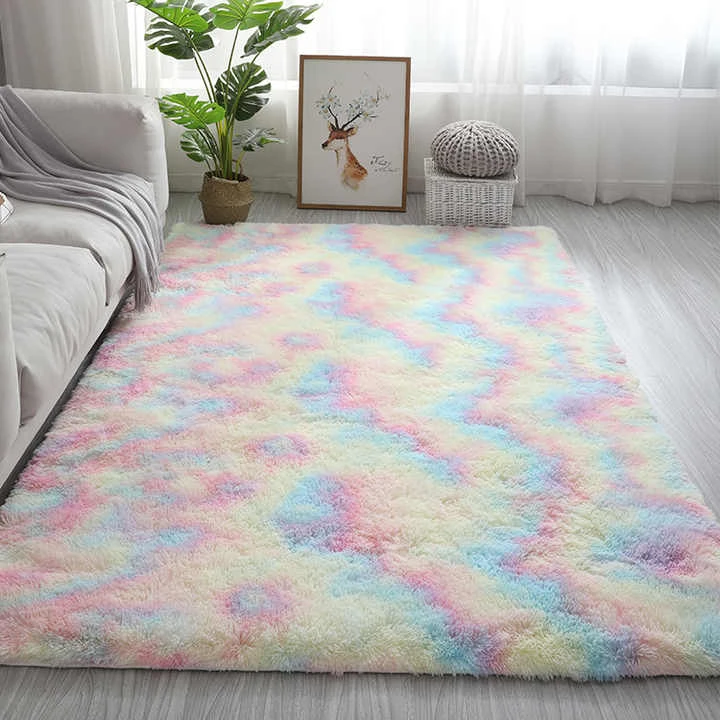
Simply put, a faux fur rug 9x12 is an imitation fur floor rug sized approximately 9 feet by 12 feet. Unlike real fur, it’s crafted from synthetic materials such as polyester, acrylic, or modacrylic fibers, designed to mimic the softness, warmth, and look of animal fur.
Its rise is closely tied to modern industry shifts involving sustainable product design and animal welfare initiatives. For example, vast campaigns by NGOs and policymakers have pushed industries to reduce dependence on real fur, accelerating innovations in faux materials. Faux fur rugs also connect to humanitarian needs — imagine cold shelter environments where warmth and comfort matter without ethical or logistical complications.
In essence, this product bridges luxury and conscience in the textile world.
Key Characteristics That Define Quality and Appeal
1. Durability
Good faux fur rugs withstand foot traffic while retaining softness. The synthetic nature often means easier cleaning and resistance to staining compared to natural fur. That said, density and fiber quality play a big role — some cheaper versions feel scratchy or wear unevenly.
2. Comfort and Texture
Faux fur doesn’t just look opulent; it feels that way too. Fibers are designed to replicate the plushness of real fur, offering warmth in cold climates but also breathability indoors. The scale 9x12 allows the rug to cover ample space, making rooms feel inviting.
3. Ethical and Environmental Impact
Choosing faux fur avoids animal cruelty, a factor growing in consumer priorities. However, the synthetic materials bring their own concerns about microplastics and non-biodegradability — leading manufacturers to experiment with recycled fibers and bio-based synthetics.
4. Style and Versatility
The 9x12 size is a favorite for living rooms, bedrooms, and even boutique commercial spaces. Colors range from classic whites and deep browns to vibrant shades, allowing designers flexibility. Plus, faux fur can be a statement piece or a subtle background layer depending on décor.
5. Price Point
Real fur rugs tend to be very expensive and demand significant upkeep, while faux fur rugs, especially in 9x12, offer a more affordable, manageable solution without sacrificing style or comfort.
Mini takeaway: When looking for a faux fur rug 9x12, consider durability, texture, ethics, style, and cost — balancing these ensures a smart purchase.
How Faux Fur Rugs 9x12 Are Used Worldwide
From North American apartments to Scandinavian chalets, the faux fur rug 9x12 is a staple. In cold climates, it’s more than decoration — it provides warmth and comfort. For hospitality industries, these rugs help evoke luxury without the PR risks of real fur.
In urban areas of Asia, where modern interiors exclude clutter, the faux fur rug acts as a tactile relief amidst sleek minimalism. Even in Middle Eastern markets, where traditional wool rugs dominate, faux fur rugs are carving their niche among younger demographics looking for westernized modern flair.
Beyond homes, commercial spaces rely on these rugs for ambiance and practicality: boutique hotels, fashion showrooms, and cozy cafes find them perfect. Interestingly, non-profits working in refugee camps or shelters sometimes opt for synthetic fur rugs for durability and warmth.
The Advantages and Long-Term Benefits of Faux Fur Rugs 9x12
- Cost Efficiency: Generally cheaper than natural fur, allowing more consumers to access luxury-feel products.
- Sustainability Potential: As manufacturers innovate, recycled and bio-based fibers make faux fur an environmentally promising option.
- Animal Welfare: No animals harmed, placing the rug in strong ethical territory.
- Easy Maintenance: Machine washable or spot cleanable in many cases.
- Emotional Comfort: Provides warmth and softness that evoke feelings of safety and luxury.
Frankly, the faux fur rug 9x12 checks quite a few boxes emotionally and logically — which is why its popularity shows no signs of slowing.
Product Specification Table: Typical Faux Fur Rug 9x12
| Feature | Specification |
|---|---|
| Dimensions | 9 ft x 12 ft (approx. 2.7 m x 3.7 m) |
| Material | Polyester/Modacrylic blend |
| Pile Height | 25-35 mm |
| Backing | Non-slip latex or woven fabric |
| Weight | 6-8 kg (varies by density) |
| Care | Spot clean, gentle vacuum, occasional professional cleaning |
Vendor Comparison: Leading Faux Fur Rug 9x12 Suppliers
| Vendor | Price Range (USD) | Material Quality | Sustainability Initiatives | Customer Rating |
|---|---|---|---|---|
| CozyFaux Rugs Inc. | $180 - $230 | High-grade polyester blend | Recycled fiber program | 4.5 / 5 |
| LuxRug Designs | $220 - $270 | Premium acrylic fibers | Carbon-neutral shipping | 4.7 / 5 |
| VintageFaux Collections | $160 - $210 | Mixed synthetic blend | Eco-friendly packaging | 4.3 / 5 |
Emerging Innovations and Future Prospects
The faux fur rug industry is quietly embracing sustainability innovations. Recycled plastics recovered from oceans are being spun into fibers, reducing microplastic pollution. Bioengineered polymers are on the horizon too, promising biodegradable rugs at scale.
Digital printing and automation allow intricate patterns and textures to be produced cheaply, enabling greater design personalisation. Meanwhile, growing eco-conscious consumer bases worldwide spur brands to prioritize transparency and certifications – think ISO 14001 or bluesign® standards.
Oddly enough, some companies are exploring “smart” faux fur rugs embedded with temperature regulation and even ambient lighting...
Common Challenges & How They’re Tackled
Despite their popularity, faux fur rugs aren’t perfect. Synthetic fibers can shed microplastics during cleaning, raising environmental alarms. Some lower-end rugs lack luster and feel plasticky, turning off buyers.
To combat these, manufacturers focus on:
- Using recycled and closed-loop materials.
- Implementing rigorous quality testing for softness and durability.
- Educating customers on proper maintenance to prolong lifespan.
In real terms, the biggest risk is buying cheap replicas with inferior fibers that wear quickly. So, it pays to research and invest in trustworthy brands.
FAQ: Your Faux Fur Rug 9x12 Questions Answered
Q: Can I machine wash my faux fur rug 9x12?
A: Most faux fur rugs this size require spot cleaning or professional cleaning due to their bulk. Some smaller versions might be machine washable on gentle settings — always check the care label! Machine washing large rugs risks damaging fibers and backing.
Q: How long does a high-quality faux fur rug last?
A: With proper care, premium faux fur rugs can last 7–10 years or more. Longevity depends on foot traffic, environmental conditions, and cleaning habits.
Q: Are faux fur rugs eco-friendly?
A: While faux fur saves animals, most are made from plastics that aren’t biodegradable. However, growing use of recycled materials and innovations in sustainable fibers improve eco-friendliness.
Q: Is faux fur better than real fur for allergy sufferers?
A: Usually yes, synthetic fibers don’t harbor the same allergens as animal fur, making faux safer for sensitive individuals.
Q: Can I customize the color or pattern of a faux fur rug 9x12?
A: Some vendors offer bespoke designs or limited color runs. Digital printing and advanced manufacturing make customization increasingly accessible.
Wrapping It Up: Why Faux Fur Rug 9x12 Is a Smart Choice
So, what’s the long game with a faux fur rug 9x12? It’s a combination of ethical convictions, smart design, and practical living. They offer cozy luxury without the guilt, adapt well to diverse spaces, and evolve towards greener materials. For anyone thinking about upgrading their interiors with a statement piece, this size and style hit a sweet spot.
Want to explore the latest collections or find the perfect rug for your home or project? Visit our website to browse top options that blend style, sustainability, and comfort effortlessly.
Mini takeaway: Faux fur rugs in 9x12 are more than décor—they’re fashion, comfort, and conscience rolled into one.
References:


Products
Related Products

Variety

Softness

Durability

Maintenance
Address
Floor 724 ,Building 7, No. 10, Tatan International Trade City, 118 Shengli South Street, Qiaoxi District, Shijiazhuang City, Hebei Province
Business Hours
Mon to Saturday : 8:00 am - 7:00 pm
Sunday & Holidays : Closed


