




Faux Fur Pelt Rug: Ethical Luxury Meets Sustainable Style in Modern Home Decor
Faux Fur Pelt Rug: A Blend of Elegance, Ethics, and Environmental Awareness
When you first hear faux fur pelt rug, you might imagine a luxurious, soft accent piece that adds instant warmth to your home. But beyond the obvious comfort and style, these rugs represent something more globally significant: a move toward ethical consumerism and sustainable alternatives in textile manufacturing. Understanding what faux fur pelts offer can change how we decorate, how industries innovate, and even how communities rethink their environmental footprints.
Introduction: The Global Context of Faux Fur Pelt Rugs
The textile industry has been one of the largest contributors to global environmental challenges, from water pollution to animal welfare concerns. According to the United Nations Environment Programme, fashion and textiles account for about 10% of global greenhouse gas emissions. Within this, the demand for animal fur has attracted controversy. Faux fur pelt rugs provide a promising solution — blending aesthetic appeal with sustainability and ethics.
As global consumers become increasingly conscious of origin stories, transparency, and impact, the faux fur market has surged. The globalization of supply chains, plus pressure from NGOs to reduce animal cruelty, has intensified this shift. But the question remains: How effective are faux fur pelt rugs as alternatives? Answering that involves understanding their materials, construction, and real-world applications.
What is a Faux Fur Pelt Rug?
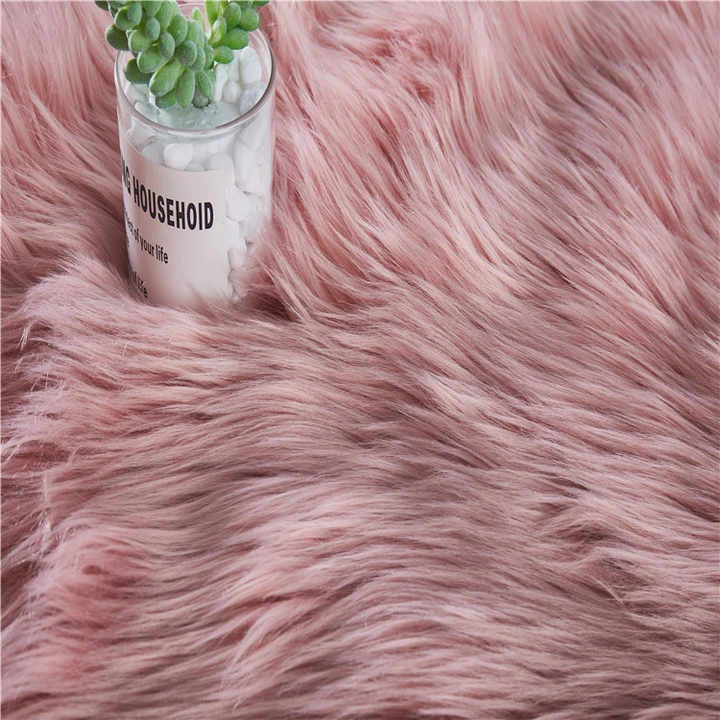
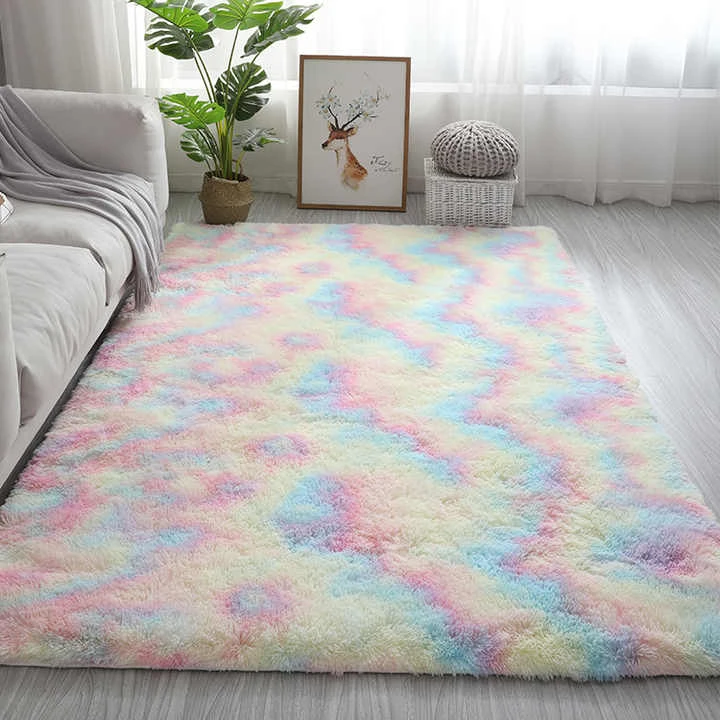
Simply put, a faux fur pelt rug is a textile piece designed to mimic the look and feel of natural animal fur but made entirely from synthetic fibers or a blend of natural and synthetic materials. They're crafted to replicate various animal pelts — be it mink, fox, leopard, or sheepskin — without harming any creatures.
These rugs connect modern industry with humanitarian needs, catering not just to style-conscious consumers but to populations who require durable, affordable, and cruelty-free floor coverings or throws.
Key Factors That Define Faux Fur Pelt Rugs
1. Material Composition
Most faux fur pelts use polyester, modacrylic, or acrylic fibers woven and brushed to mimic the softness and pile length of real fur. Advances have introduced bio-based synthetics, slowly shifting the trend toward greener options.
2. Durability
Durability stands out. Faux fur rug pelts are generally resistant to wear and tear, fading, and moth damage — problems common with natural fur rugs. This means they hold their appeal even in busy households or commercial venues.
3. Cost Efficiency
Unlike genuine pelts that demand intricate sourcing and processing — often expensive and controversial — faux versions cost a fraction to produce and distribute, allowing more widespread availability.
4. Environmental Impact
Although synthetic fibers derive from petrochemicals, many manufacturers now integrate recycled materials and better production practices to reduce carbon footprints — a balance between ecology and economy.
5. Aesthetic Versatility
Faux fur pelt rugs offer customizable prints, colors, and textures something hard to achieve with real fur. Designers enjoy playing with bold patterns or muted tones to suit various interiors.
6. Ethical Considerations
Perhaps the most important — no animals are harmed, making faux pelts the preferred choice for those concerned with animal welfare.
Typical Faux Fur Pelt Rug Specifications
| Specification | Description |
|---|---|
| Material | Polyester/Modacrylic blend or 100% recycled fibers |
| Pile Height | 10 - 30 mm (varies by style) |
| Backing | Non-slip latex or jute backing |
| Available Sizes | Small (2'x3') to Large (6'x9') |
| Maintenance | Machine washable or spot clean |
| Sustainability Features | Recycled content + emission-reducing production |
Global Applications & Use Cases
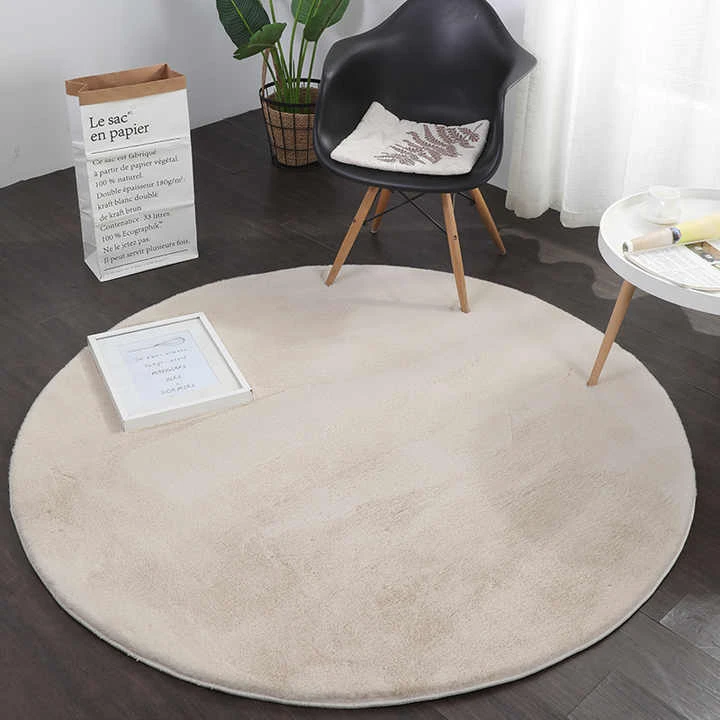
- Residential Decor: Faux fur rugs add warmth to living rooms, bedrooms, and cozy nooks worldwide.
- Hospitality Industry: Upscale hotels and lodges increasingly favor faux fur pelts over real animal fur; they balance luxury with ethical branding.
- Film and Photography: Lightweight, reusable, and safe on set, these rugs offer versatile props mimicking natural fur.
- Humanitarian Relief: In cold climate emergency shelters, faux fur pelts provide insulation and comfort without requiring animal sourcing.
Oddly enough, in regions like Scandinavia or Canada, where natural fur was once widely used, faux alternatives have gained significant traction. Similarly, fashion hubs in Europe and North America are increasingly regulating animal fur, indirectly boosting faux fur demand.
Vendor Comparison: Faux Fur Pelt Rug Suppliers
| Supplier | Material Quality | Sustainability | Price Range | Customization |
|---|---|---|---|---|
| EcoPelts Co. | High grade recycled fibers | Certified carbon neutral | $$$ | Custom colors & prints |
| FauxLux Textiles | Polyester/acrylic blend | Recycling program | $$ | Limited options |
| SafeSkin Rugs | Mid-range synthetic fibers | Standard industry practices | $ | Mass production focus |
Advantages and Long-Term Value of Faux Fur Pelt Rugs
Faux fur pelt rugs come with compelling benefits beyond mere aesthetics. First, cost savings are significant compared to real pelts — no hunting, skinning, or complex preservation needed. They’re environmentally friendlier in terms of animal rights, which resonates with today’s responsible buyers.
Practically, these rugs are easier to clean and maintain, increasing their lifespan in homes and commercial spaces. Emotionally, they provide a sense of comfort and luxury without guilt, which frankly can’t be quantified but often shapes consumers' satisfaction.
Socially, opting for faux fur supports industry trends redirecting resources away from endangered species and unsustainable farming. That said, there’s ongoing debate on synthetic waste, so initiatives around circular economy and biodegradable fibers may further solidify this niche.
Future Trends & Innovations
What’s next? The faux fur industry is quietly innovating. Bio-based fibers spun from algae or plant cellulose might soon replace petroleum-derived ones. Digital printing technologies enable hyper-realistic fur patterns customizable to personal taste.
It's also likely that sustainability certifications (beyond current ISO standards) will push suppliers to document carbon and water footprints more transparently. Then there’s automation in manufacturing and increasing consumer education — all factors nudging faux fur pelts toward a greener, smarter future.
Challenges & Solutions
Faux fur isn’t perfect. Downside? It can shed fibers or be less breathable than natural pelts, sometimes feeling less “authentic” to fur enthusiasts. Plus, manufacturing emissions remain a concern.
Solutions include improving fiber blends, designing for durability (less frequent replacement), and recycling post-consumer rugs. Many experts suggest pairing these products with responsible disposal programs to mitigate microplastic pollution.
FAQ: Frequently Asked Questions About Faux Fur Pelt Rugs
- Q: Are faux fur pelt rugs safe for allergy sufferers?
A: Generally yes, since they don’t harbor animal dander. However, synthetic fibers may attract dust, so regular cleaning is advised. - Q: How do I care for my faux fur rug to maintain softness?
A: Spot clean with mild detergent, avoid high heat washing, and gently brush fibers to restore fluffiness. - Q: Is faux fur pelt rug environmentally friendly?
A: It’s more ethical regarding animals, but synthetic production has environmental impacts — so look for recycled or bio-based options. - Q: Can faux fur pelt rugs be used outdoors?
A: Not recommended; exposure to moisture and dirt can degrade fibers quickly.
Conclusion: Why Faux Fur Pelt Rugs Matter Long-Term
So, faux fur pelt rugs are not just stylish decor but part of a bigger shift toward ethical, sustainable choices in textiles. They balance affordability, eco-consciousness, and elegance quite neatly, making them an appealing option for modern living.
If you’re curious or ready to explore this blend of luxury and responsibility, visit our website: faux fur pelt rug and see what innovations await your home.
Taking the sustainable step in soft flooring feels good — for your space and the planet.
References
I suppose every rug tells a story — with faux fur, it’s more about a hopeful future.


Products
Related Products

Variety

Softness

Durability

Maintenance
Address
Floor 724 ,Building 7, No. 10, Tatan International Trade City, 118 Shengli South Street, Qiaoxi District, Shijiazhuang City, Hebei Province
Business Hours
Mon to Saturday : 8:00 am - 7:00 pm
Sunday & Holidays : Closed


