





Discover the Benefits and Innovations of Artificial Sheepskin Rugs
What’s the Deal With Artificial Sheepskin Rugs? Why Should We Care?
Artificial sheepskin rugs have quietly carved out a unique niche, blending practicality with ethical concerns, and a dash of style to boot. Believe it or not, understanding these synthetic counterparts is increasingly important—not just for interior decorators or cozy-home enthusiasts, but for anyone tracking sustainability efforts around the globe.
To put it simply, artificial sheepskin rugs offer the plush, warm comfort of real sheepskin without the environmental footprint or animal welfare issues. As global consumers become more eco-conscious and industries push for cruelty-free alternatives, these rugs are gaining traction beyond just the home — think humanitarian aid, automotive interiors, and even healthcare environments.
So, why does this matter on a global scale? Well, it ties into a broader push against unsustainable animal farming and deforestation linked to it. Also, they open doors for alternative sourcing and materials science innovation. Plus, in practical terms, they make “green” feeling good — literally underfoot.
Why Are Artificial Sheepskin Rugs Gaining Global Relevance?
Globally, the textile and home décor industries are under immense pressure to reduce their ecological footprint. According to a recent ISO report, nearly 20% of global textile production is linked to significant water consumption and carbon emissions. Animal-derived products like genuine sheepskin carry additional concerns—land use, methane emissions from sheep farming, and often questionable welfare standards.
On the flip side, the market demand for alternatives is booming. The global faux fur market alone is predicted to grow by nearly 10% annually through the next decade, and artificial sheepskin fits right into this trend. The challenge? Creating products that feel—and look—as good or better than the real deal, while staying affordable and durable.
In humanitarian circles, artificial sheepskin rugs have found a niche as well. They’re used in cold-weather relief operations and medical environments where hygiene, durability, and ease of cleaning are critical. Frankly, using a synthetic rug here makes logistical sense too—lighter weight, less delicate, and scalable to millions of aid recipients.
Defining the Artificial Sheepskin Rug
Simply put, an artificial sheepskin rug is a textile product designed to mimic the look, feel, and thermal properties of natural sheepskin, but made from synthetic fibers—usually polyester, acrylic, or a blend. Manufacturers use advanced weaving and finishing techniques to replicate the dense pile and soft undercoat of real sheepskin.
The result? A cozy rug that’s hypoallergenic, easier to maintain, and sized consistently without the quirks of animal hide. Interestingly, their development aligns with modern demands—from vegan lifestyle choices to technical textile innovation pushing comfort and safety profiles ahead in various sectors.
Core Components of a High-Quality Artificial Sheepskin Rug
1. Fiber Material & Texture
The quality and type of synthetic fibers define softness and durability. Many producers use split-dyed polyester fibers to imitate real sheepskin fur’s subtle color blending.
2. Backing / Base Construction
Usually a non-slip synthetic or cotton-based fabric that supports the pile and resists wear. Important for safety and longevity.
3. Thermal Insulation
Artificial sheepskin rugs are prized for their ability to trap heat, making them popular in regions with chilly climates or drafty housing. The pile density impacts thermal retention.
4. Easy Maintenance
Unlike real wool, artificial rugs tolerate machine washing or gentle cleaning without shrinking or felting—a big plus for busy households and institutional use.
5. Environmental Impact
Though synthetic, many makers are experimenting with recycled or bio-based polymers to reduce plastic waste — edging closer to sustainability.
Product Specifications You Should Know
| Specification | Typical Metric | Benefits |
|---|---|---|
| Material | Polyester/Acrylic Blend | Durable & soft, colorfast |
| Pile Height | 20-25 mm | Good insulation, plush feel |
| Backing | Anti-slip Latex or Cotton | Prevents shifts, safe underfoot |
| Cleaning | Machine washable or spot clean | Easy upkeep, long-lasting look |
| Weight | 1.5 - 3 kg (typical 60x90 cm) | Portable, convenient |
How Different Vendors Stack Up on Artificial Sheepskin Rugs
| Provider | Price Range (USD) | Material Quality | Eco-Certifications | Customization Options |
|---|---|---|---|---|
| SheepLux | \$40 – \$70 | High-grade polyester | OEKO-TEX Certified | Colors, sizes |
| EcoWool | \$50 – \$90 | Recycled fibers blend | Global Recycled Standard | Custom logos & sizes |
| SoftStep | \$30 – \$65 | Standard acrylic blend | None | Limited color range |
Who’s Using Artificial Sheepskin Rugs? Global Applications & Use Cases
Oddly enough, these rugs are more than just trendy home décor. For example, in Nordic countries, their insulating properties make them a staple for caravans and cabins. Across the UK and Europe, healthcare facilities adopt artificial sheepskin covers for patient comfort and hygiene, since they resist bacteria better than natural wool.
Then there’s the humanitarian use case. Post-disaster relief agencies have increasingly included these rugs in cold-weather kits, appreciating their combination of warmth, durability, and the ease of bulk transport. The lightweight feel, plus machine cleanability, vastly improves logistics compared to using traditional wool.
Of course, automakers—especially those targeting luxury or eco-conscious buyers—specify artificial sheepskin for car interiors. It retains heat in winter and avoids issues with animal cruelty claims.
Finally, the design-conscious consumers hunting for cruelty-free, high-style choices often turn to artificial sheepskin rugs to tap that cozy, natural vibe without a conscience pang.
Stacking the Benefits: Why Choose Artificial Sheepskin?
- Cost Efficiency: Generally more affordable than genuine sheepskin, making luxury accessible.
- Sustainability: Avoids livestock environmental impacts; new bio-based fibers moving the needle even more.
- Animal Welfare: Perfect for vegan lifestyles and ethical consumerism.
- Durability: Synthetic rugs tend to withstand wear, moisture, and cleaning better than natural wool.
- Safety & Hygiene: Hypoallergenic and easier to sanitize, key in medical and childcare arenas.
Ultimately, these advantages don’t just make for happy feet. They build trust between consumers, producers, and the planet's future. It’s a win-win.
Looking Ahead: Future Trends in Artificial Sheepskin Rugs
The journey doesn’t stop here. Around the corner is a wave of innovations: scalable bio-fibers that break down naturally, 3D knitting technologies creating customizable pile densities, and smart textiles incorporating temperature regulation or antimicrobial properties.
More brands aim for circular economy models — recycling old artificial sheepskin products into new ones, closing the loop and reducing landfill. Plus, as consumers become more digital-savvy, interactive customization tools online let buyers preview colors and textures before purchase, boosting satisfaction and reducing waste.
Challenges in the Industry and How to Overcome Them
Not all is rosy, though. Some synthetic materials can shed microplastics in the wash, contributing to pollution. That’s a big concern—forcing manufacturers to invest in improved fiber blends and laundry filters. Then, some early artificial sheepskin rugs lacked the full authenticity in touch or appearance, making them hard to market beyond budget segments.
However, advanced fiber technologies and tighter quality controls have closed those gaps considerably. Also, increased transparency about sourcing and sustainability credentials helps buyers make informed choices. Collaborations between NGOs, tech innovators, and textile producers are paving new paths — showing that challenges aren’t dead ends, just hurdles.
FAQ: Practical Questions About Artificial Sheepskin Rugs
- Q: How do artificial sheepskin rugs compare to real ones in warmth?
- A: Artificial sheepskin often matches or surpasses real sheepskin in thermal insulation due to dense synthetic piles that trap air effectively. Plus, they don't lose shape after washing.
- Q: Can I machine wash my artificial sheepskin rug?
- A: Most artificial sheepskin rugs are designed to be machine washable on gentle cycles, making upkeep straightforward compared to delicate natural wool, which often requires special care.
- Q: Are artificial sheepskin rugs eco-friendly?
- A: Traditional synthetic fibers are petroleum-based and not biodegradable. However, many brands now use recycled or bio-based materials to reduce environmental impact, pushing the eco-friendliness bar higher.
- Q: What sizes and colors are typically available?
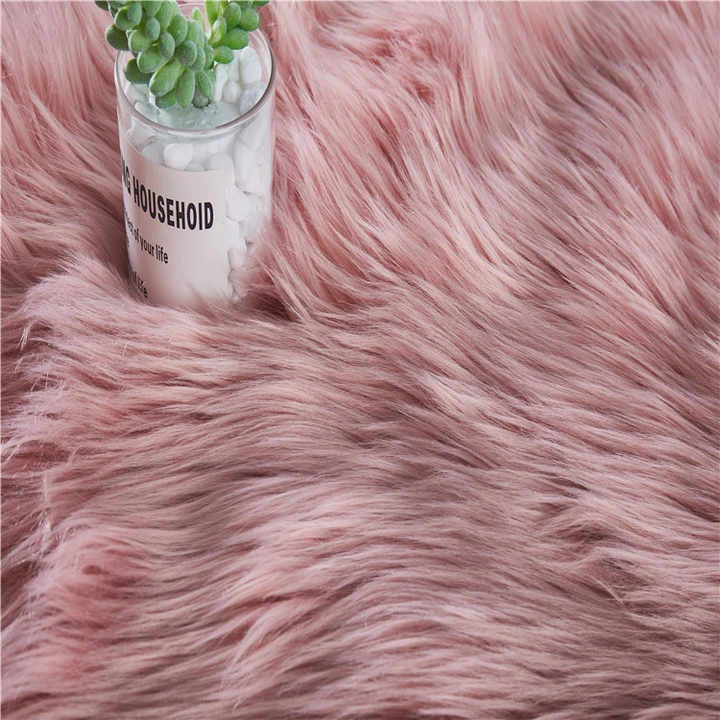
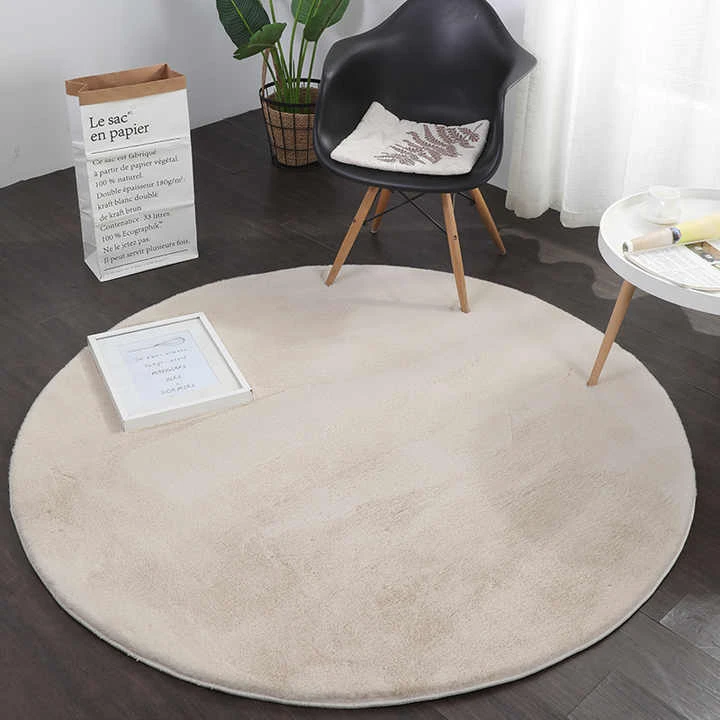
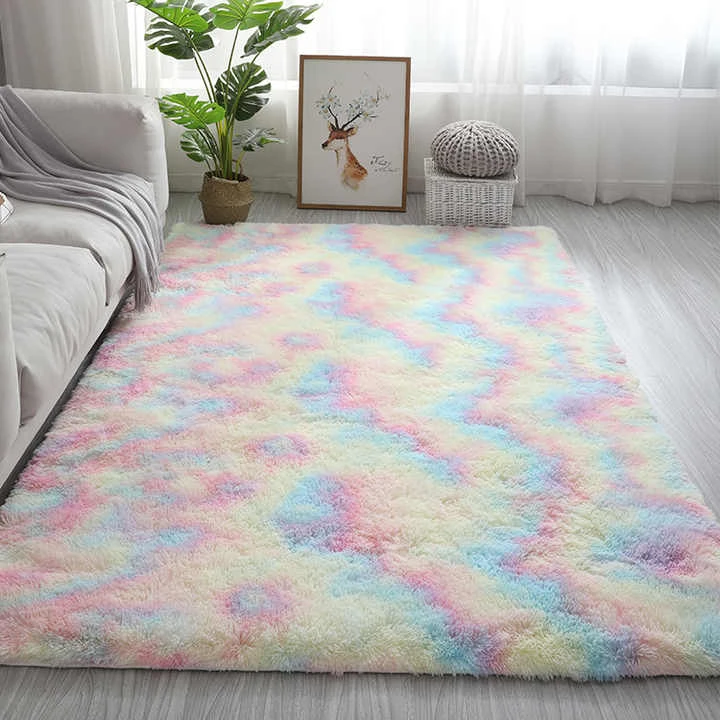
- A: Standard sizes range from small 40x60 cm mats to larger 60x90 cm or oval throws. Color options vary but usually include ivory, white, grey, and pastel shades to imitate natural tones.
- Q: Is an artificial sheepskin rug safe for pets?
- A: Yes! Most artificial rugs are hypoallergenic and resistant to pet odors and stains — just avoid rugs with toxic dyes and wash regularly.
Wrapping Up: Why Artificial Sheepskin Rugs Deserve a Spot In Your Life
Artificial sheepskin rugs combine the coziness of traditional sheepskin with modern values and innovations. They answer real, pressing needs—from environmental concerns to practical uses in healthcare and disaster relief. If you want warmth underfoot without compromise, they’re becoming the logical choice.
Curious to explore more styles and find the perfect fit? Visit our website at artificial sheepskin rug to browse options and dive deeper into this evolving textile story.
Until next time, keep warm and sustainable!
References


Products
Related Products


Variety

Softness

Durability

Maintenance
Address
Floor 724 ,Building 7, No. 10, Tatan International Trade City, 118 Shengli South Street, Qiaoxi District, Shijiazhuang City, Hebei Province
Business Hours
Mon to Saturday : 8:00 am - 7:00 pm
Sunday & Holidays : Closed


