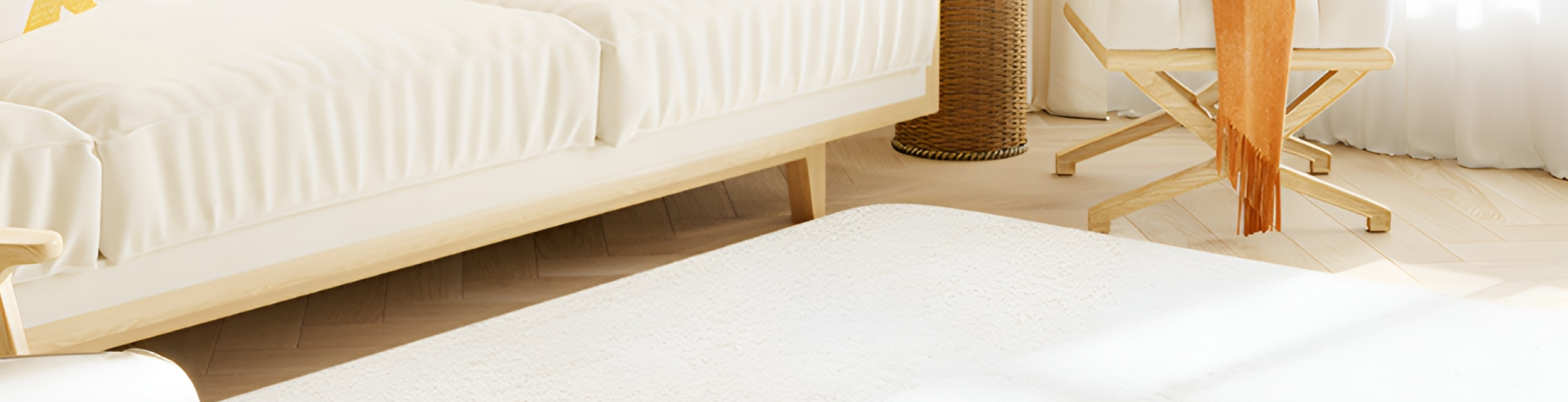


When homeowners search for plush carpet prices, they are often balancing a desire for cloud-like luxury with the practical realities of household budgeting and long-term durability. The cost of a plush carpet is rarely a flat rate; instead, it is a composite of material quality, pile density, and the specific manufacturing processes used to ensure the rug doesn't flatten under foot traffic.
Understanding the pricing architecture of high-end floor coverings allows buyers to distinguish between temporary softness and sustainable comfort. Whether you are sourcing for a single bedroom or managing a wholesale procurement project, the interplay between polyester fiber quality and anti-slip technology significantly influences the final investment.
This analysis explores the variables that drive plush carpet valuation, from the technical benefits of soft velvet textures to the economic advantages of factory-direct sourcing, providing a comprehensive guide for those seeking elegance without compromising on functional longevity.

Decoding the Components of Plush Carpet Pricing

Pricing in the plush carpet market is primarily driven by the "density-to-comfort" ratio. A higher pile density—meaning more fibers per square inch—typically results in a more luxurious feel and better resilience, which increases the production cost but lowers the cost-per-year of use due to extended lifespan.
Beyond the fibers, the backing material plays a critical role. Premium options featuring specialized non-slip treatments or textured bottom designs prevent sliding in high-traffic areas like living rooms, adding a layer of safety and value that budget-grade carpets often lack.
Finally, the scale of production influences the end-user price. Factory mass production and wholesale models allow for the amortization of design and machine-setup costs, making high-end polyester velvet carpets more accessible to the general consumer while maintaining strict quality controls.
Material Science and the Value of Polyester Fibers
The choice of polyester fiber is a strategic decision in modern textile manufacturing. It offers an optimal balance of wear resistance and corrosion resistance, ensuring that the carpet maintains its plush appearance even after repeated vacuuming and daily use.
Polyester's innate ability to hold color and resist moisture makes it an ideal candidate for diverse home environments. When processed into a soft velvet texture, it creates a "cloud-stepping" sensation that enhances the psychological warmth of a room.
From a cost perspective, high-grade polyester is more reasonable for mass production than pure silk or high-end wool, yet it provides a comparable aesthetic and tactile experience, effectively democratizing luxury home decor.
Optimal Application Scenarios for High-Pile Rugs
The application of plush carpets should be guided by the intended use of the space. In living rooms, placing a plush rug in front of the sofa or under a coffee table creates a focal point of comfort, transforming a transitional area into a leisure zone.
For bedrooms, soft bedroom carpets serve a functional purpose by providing thermal insulation and a gentle surface for bare feet upon waking. This is particularly beneficial in colder climates where floor warmth is a priority for well-being.
Safety considerations make non-slip plush rugs indispensable for families with children or elderly members. The integration of anti-slip bottom treatments ensures that the rug remains stationary during movement, reducing the risk of accidents in active household environments.
Performance Benchmarks for Soft Home Textiles
Evaluating the performance of plush carpets requires looking at objective metrics such as pile recovery, abrasion resistance, and slip-coefficient. These factors determine how well a carpet survives the "crush test" of daily life.
When comparing industry averages to high-standard polyester plush products, the difference in long-term performance becomes evident, especially regarding color retention and fluff density over a 24-month period.
plush carpet prices Performance Metrics
The data suggests that while initial costs may vary, products with reinforced fiber structures and professional non-slip backings offer a significantly higher utility value, reducing the frequency of replacement.
Strategic Procurement and Wholesale Cost Considerations
For B2B buyers and wholesalers, the procurement of plush carpets hinges on the balance between unit cost and quality assurance. Sourcing from manufacturers with integrated cutting technology and large-scale machine-woven lines is essential for consistency.
Key evaluation factors for procurement include the verification of environmental protection tests and the scalability of pattern designs. The ability to offer a variety of styles—from Rainbow Fluffy Rugs to minimalist Living Room Carpets—allows wholesalers to capture multiple market segments.
Furthermore, logistics and packaging for high-pile products are critical. Ensuring that carpets are packed to prevent permanent creasing during transit is a hidden cost factor that separates professional suppliers from budget exporters.
Future Trends in Sustainable Plush Floor Coverings
The home textile industry is moving toward a fusion of luxury and sustainability. We are likely to see an increase in recycled polyester fibers that maintain the same soft velvet characteristics while reducing the environmental footprint of production.
Smart textile integration may also emerge, where plush carpets are designed with better antimicrobial properties or adaptive pile heights to suit different seasonal temperatures, further increasing the value proposition of high-end rugs.
As interior design trends shift toward "biophilic" styles, the demand for specific color palettes, such as Grass Green Rugs, is expected to grow, reflecting a consumer desire to bring natural elements and organic comfort into urban living spaces.
Comparative Analysis of Plush Carpet Categories
To make an informed decision, buyers must compare different types of plush rugs based on their specific environmental needs and budget constraints. Not all "fluffy" rugs are created equal in terms of technical specification.
The following table outlines the distinctions between common plush carpet categories, highlighting the trade-offs between softness, durability, and typical application zones.
| Carpet Category | Primary Material | Durability Level | Best Use Case |
|---|---|---|---|
| Faux Fur Rugs | Premium Polyester | Medium | Bedroom Accents |
| Non-Slip Area Rugs | Poly-blend w/ Grip | High | Living Room Walkways |
| Soft Bedroom Carpet | Fine Velvet Fiber | Medium-High | Master Suite Flooring |
| Rainbow Fluffy Rug | Dyed Polyester | Medium | Children's Playrooms |
| Plush Living Room Rug | Dense Machine-Woven | Very High | High-Traffic Lounges |
| Grass Green Shag | Coarse Polyester | High | Vintage Decor Themes |
Ultimately, the choice depends on whether the priority is maximum tactile softness for a low-traffic area or long-term resilience for a family hub. By analyzing these dimensions, procurement becomes a data-driven process rather than a gamble on aesthetics.
Frequently Asked Questions
Conclusion
Navigating plush carpet prices requires a shift in perspective from seeing a rug as a simple accessory to viewing it as a technical investment in home comfort. By prioritizing material integrity—specifically high-grade polyester and anti-slip technology—buyers can ensure that their aesthetic choices are supported by long-term durability.
For those evaluating procurement options or seeking high-quality home textiles, the balance of factory-direct pricing and professional design excellence is key. Interested parties can review the relevant product range and company capabilities available through www.yigoodhome.com to find a solution that fits both their budget and their vision for a comfortable home.