




Cheap Fluffy Rugs - Plush Comfort & Style for Your Home
Strategic Procurement of Fluffy Rugs for B2B Applications
In the dynamic landscape of commercial interior design and furnishing, the selection of appropriate flooring solutions plays a pivotal role in defining aesthetics, comfort, and functionality. For procurement managers and design professionals, identifying suppliers capable of delivering high-quality, cost-effective options is paramount. This comprehensive guide delves into the technical and commercial considerations for acquiring cheap fluffy rugs, emphasizing their versatile application across various B2B sectors. We will explore manufacturing processes, technical specifications, industry trends, and the inherent advantages these products offer, ensuring informed decision-making for optimal project outcomes in hospitality, residential, and corporate environments.
The demand for soft, inviting textile flooring, including `plush carpet for bedroom` installations and expansive `plush area rugs`, continues to grow. This growth is driven by a desire for enhanced comfort, superior acoustic properties, and aesthetic versatility in spaces ranging from residential developments to high-end hospitality environments. Understanding the value proposition of these materials, particularly those offering a balance of quality and cost-efficiency, is key to leveraging them effectively in commercial projects and achieving a superior return on investment.
Current Industry Trends in Plush Carpet Manufacturing and Adoption
The global market for textile flooring, particularly within the plush and shaggy segments, is experiencing robust growth, propelled by innovations in synthetic fiber technology and evolving design sensibilities. Key trends impacting the availability and specification of options such as **cheap fluffy rugs** include:
- Sustainable Materials and Practices: There is an increasing focus on the use of recycled content, particularly recycled polyester (PET), and the development of plant-based fibers. Manufacturers are also implementing eco-friendly dyeing processes and closed-loop manufacturing systems, often seeking certifications like the Global Recycled Standard (GRS) and Cradle to Cradle to meet stringent environmental mandates and rising consumer and corporate demand for greener products.
- Enhanced Durability and Performance: Advancements in fiber treatment, such as fluorocarbon finishes for stain resistance, and innovative backing technologies (e.g., high-density polyurethane or PVC-free options) are significantly improving wear resistance, stain repellency, and colorfastness. This means that `plush area rugs` can now be specified for higher-traffic areas, offering a greater balance of luxury and practicality.
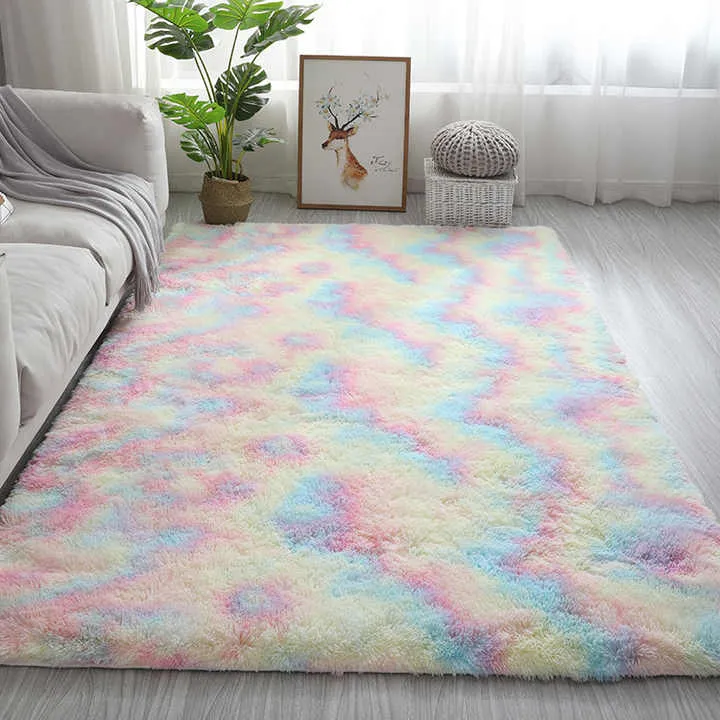
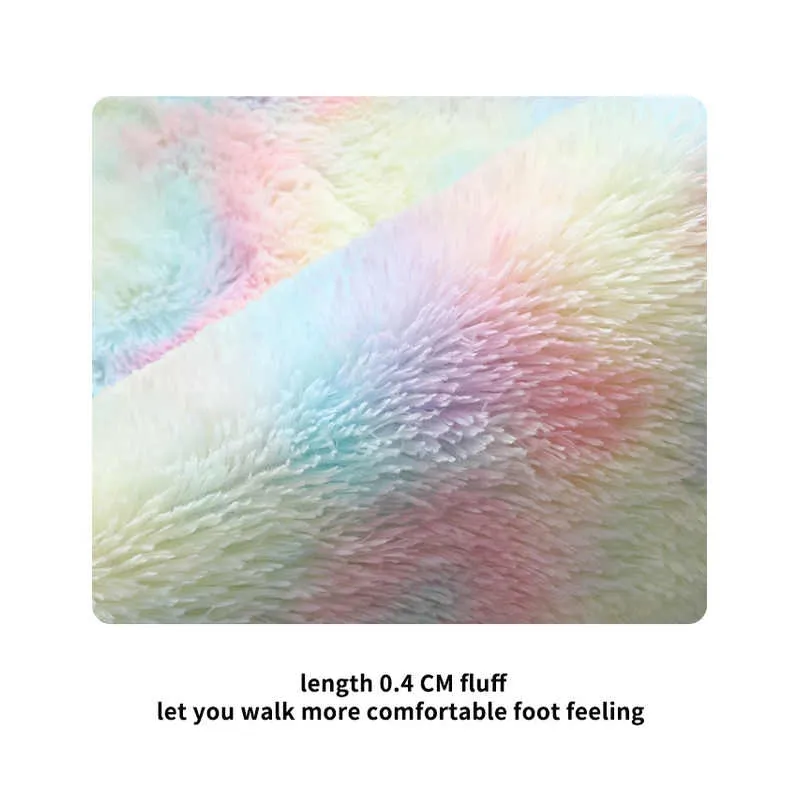
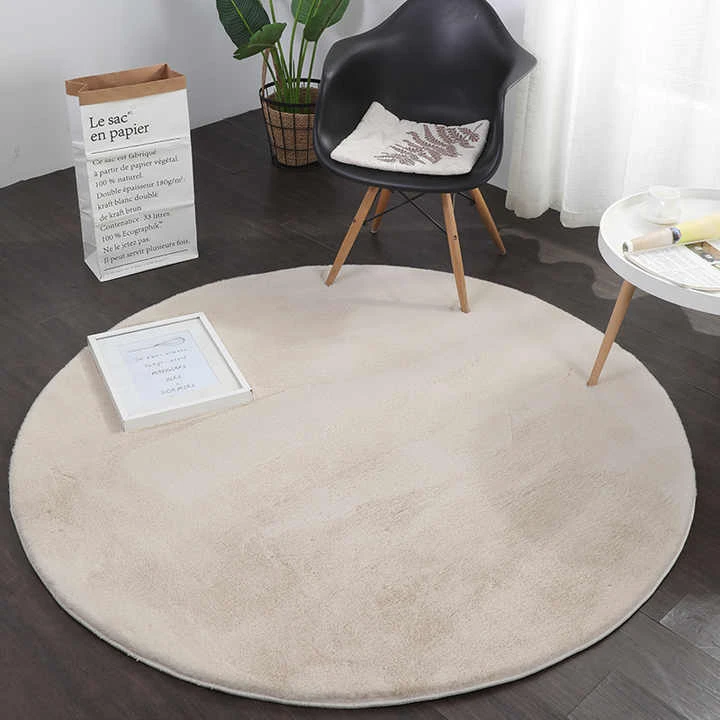
- Design Versatility and Customization: The market offers an expansive palette of colors, textures, and pile heights, moving beyond traditional patterns. The increasing popularity of `round shaggy rugs for sale` demonstrates a trend towards more organic shapes and varied sensory experiences in interior design. Digital printing technologies are further enabling intricate patterns, gradient effects, and custom branding opportunities for bespoke commercial projects.
- Acoustic and Thermal Performance Optimization: Plush carpets are increasingly recognized for their ability to significantly reduce ambient noise (improving Noise Reduction Coefficient, NRC) and provide substantial thermal insulation. These properties contribute directly to energy efficiency and enhanced occupant comfort, making them a strategic choice for modern building designs seeking LEED or WELL certifications.
Industry reports indicate a Compound Annual Growth Rate (CAGR) of approximately 4.5% for the global carpet and rug market from 2023 to 2028, with the plush and artificial wool segments contributing significantly to this expansion. This trend underscores the enduring relevance and increasing sophistication of products like **cheap fluffy rugs** in modern architectural and design specifications, providing both aesthetic appeal and measurable performance benefits.
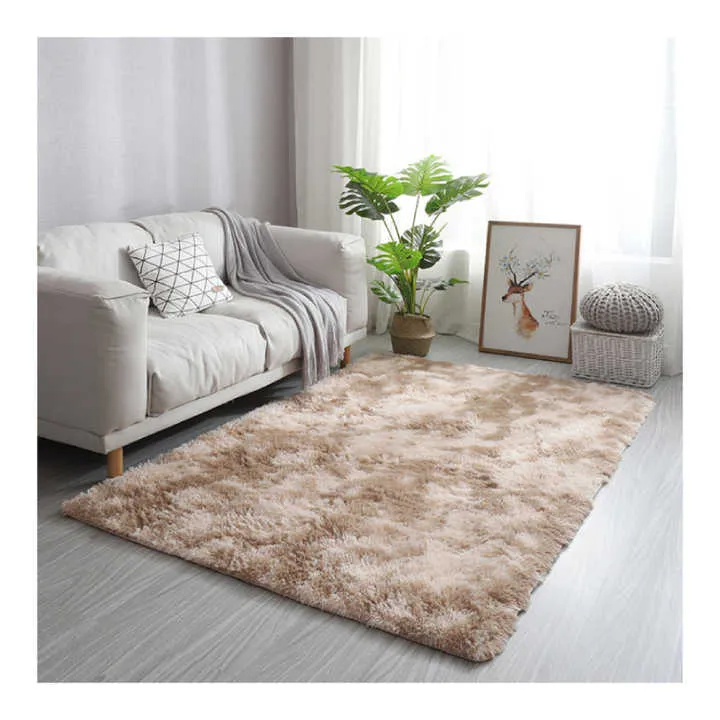
The Manufacturing Process of High-Quality Fluffy Rugs
The production of **cheap fluffy rugs** involves a sophisticated series of technical steps, meticulously controlled to ensure both aesthetic appeal and structural integrity. Understanding this process is crucial for B2B buyers in assessing product quality, consistency, and a vendor's manufacturing capabilities.
Process Flow Diagram:
- 1. Raw Material Selection: The foundation of any quality carpet is its fiber. For plush carpets, common synthetic materials include Polyester (PET), Polypropylene (Olefin), and Nylon, as well as acrylic fibers designed to mimic natural wool for `artificial wool carpet` variants. Selection is based on desired softness, resilience, color retention properties, and overall cost-effectiveness. Ethical sourcing and recycled content are increasingly important considerations.
- 2. Yarn Extrusion and Spinning: For synthetic fibers, polymer pellets are melted and extruded through specialized spinnerets to form continuous filaments. These filaments are then twisted, plied, and heat-set into yarns of specific denier and ply, which directly dictates the yarn's strength, bulk, and ability to hold its shape. Natural fibers undergo cleaning, carding, and conventional spinning processes.
- 3. Dyeing Process: Yarns can be dyed at various stages to achieve desired colors. Common methods include solution dyeing (where color pigment is added to the polymer before extrusion, offering superior colorfastness), stock dyeing (raw fiber), yarn dyeing (after spinning), or piece dyeing (after tufting). Advanced spectrophotometric color matching and environmentally friendly dyeing techniques ensure vibrant, uniform colors and high fade resistance, crucial for products like `plush carpet for bedroom`.
- 4. Tufting or Weaving: Tufting is the predominant method for producing plush carpets. High-speed tufting machines (e.g., using a 1/8 or 1/10 gauge) insert thousands of yarn loops through a primary backing fabric (typically woven polypropylene). For cut pile, which characterizes fluffy rugs, these loops are then precisely cut, creating the soft, upright pile. Pile height, stitch rate, and tuft density are critically controlled parameters at this stage.
- 5. Backing Application: A secondary backing, often made of woven polypropylene, non-woven felt, or jute, is laminated to the reverse side of the tufted carpet using a robust latex adhesive. This layer provides crucial dimensional stability, anchors the tufts securely, and significantly enhances the rug's overall durability and comfort. Specialized backings for enhanced sound insulation or anti-slip properties can also be applied.
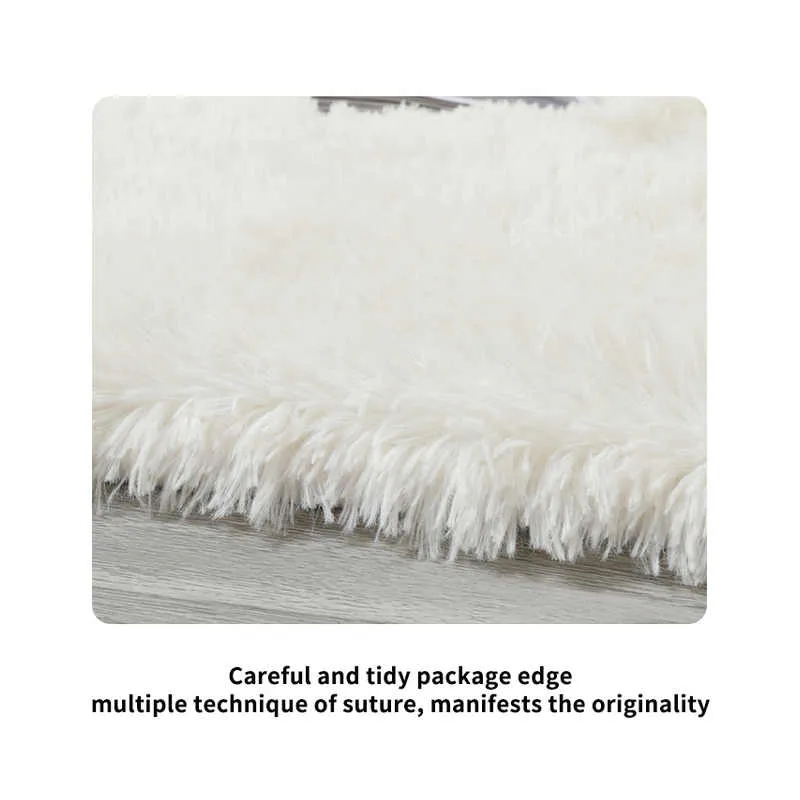
- 6. Shearing and Finishing: The carpet surface undergoes precise shearing to ensure an even pile height and a smooth, uniform appearance. Additional finishing processes may include brushing, steaming, and intensive vacuuming to enhance the fluffiness, set the pile, and remove any loose fibers, optimizing the tactile quality of **cheap fluffy rugs**.
- 7. Quality Control and Testing: Throughout the entire manufacturing process, carpets undergo rigorous multi-stage testing. Key standards applied include ISO 2424 (Textile floor coverings – Classification and terminology), ISO 10326-1 (Static electrical propensity), ASTM D5417 (Seam Strength), and critical tests for flammability (e.g., ASTM E648 / NFPA 253), colorfastness (AATCC 16), and VOC emissions (CRI Green Label Plus).
- 8. Packaging and Distribution: Finished carpets are carefully rolled, wrapped, and prepared for shipping, either as large bulk rolls or as pre-cut `plush area rugs`, ready for installation or retail distribution.
Meticulous adherence to these sophisticated stages ensures that even cost-effective `plush area rugs for sale` meet demanding performance criteria for their intended applications, balancing affordability with essential quality and longevity benchmarks.
Technical Specifications and Performance Parameters
When specifying **cheap fluffy rugs** for commercial or large-scale residential projects, understanding key technical parameters is essential for ensuring product longevity, regulatory compliance, and suitability for the intended environment.
Key Product Specifications for Plush Carpets:
The longevity and optimal performance of **cheap fluffy rugs** and `plush area rugs` in various commercial environments hinge significantly on these detailed specifications. For instance, a higher pile density generally correlates with better wear resistance and a more luxurious underfoot feel, making it an ideal choice for `plush carpet for bedroom` applications in premium hospitality suites. Specifying the correct parameters upfront mitigates risks and ensures product suitability for the project's long-term demands.
Application Scenarios and Strategic Advantages
The inherent versatility of **cheap fluffy rugs** allows for their strategic deployment across a diverse range of B2B application scenarios, offering distinct technical and operational advantages that contribute to occupant comfort, energy efficiency, and overall environmental quality.
Target Industries and Applications:
- Hospitality Sector (Hotels, Resorts, Cruise Ships, Lounges): `Plush carpet for bedroom` areas, suites, and VIP lounges significantly enhances guest comfort and perceived luxury. The superior acoustic absorption properties reduce noise transmission between rooms and within public spaces, fostering a tranquil and private environment, which is a key driver for guest satisfaction. The ability to source customized `plush area rugs` allows for unique branding and thematic design integration.
- Residential Developments (Luxury Apartments, Condominiums, Model Homes): Ideal for bedrooms, living rooms, and communal resident lounges. Their thermal insulation properties contribute tangibly to energy efficiency by reducing heat loss through the floor, aligning with modern green building standards. The soft textures enhance occupant well-being and contribute to a homely ambiance. The wide availability of `plush area rugs for sale` in various dimensions offers immense flexibility for diverse unit layouts and staged properties.
- Corporate Offices & Creative Spaces (Executive Offices, Breakout Zones, Libraries): While generally not used in high-traffic corridors, plush carpets are perfectly suited for executive offices, informal meeting areas, and quiet zones. They significantly improve sound dampening, creating a more focused, less distracting, and ultimately more productive and inspiring atmosphere for employees.
- Retail Boutiques & Showrooms (High-End Apparel, Furniture): Premium retail environments can leverage plush rugs to create an inviting, luxurious shopping experience. The soft flooring subtly enhances product perception, encourages longer dwell times, and differentiates the brand from competitors.
- Healthcare (Non-Clinical Administrative Areas, Waiting Rooms): In patient waiting rooms, administrative offices, or rehabilitation lounges, plush rugs can provide a calming, comfortable, and less institutional ambiance, contributing positively to patient and staff well-being. Enhanced slip resistance further adds a crucial layer of safety.
Technical Advantages:
- Superior Acoustic Absorption: Plush carpets significantly reduce both impact noise and airborne sound reverberation. With Noise Reduction Coefficient (NRC) values typically ranging from 0.35 to 0.45, they create quieter, more productive, and relaxing environments. This is a critical factor for multi-story buildings, open-plan offices, and any space where sound control is paramount.
- Enhanced Thermal Insulation: The dense pile of plush carpets acts as an effective insulating layer, reducing heat loss through the floor by up to 10-12%. This translates directly to tangible energy savings, particularly in climates with fluctuating temperatures, making them a cost-effective long-term investment that contributes to building efficiency.
- Improved Indoor Air Quality: Carpets, especially those with dense pile structures, effectively trap airborne dust, pollen, and other allergens, preventing them from recirculating in the air. This can be significantly beneficial for occupants with respiratory sensitivities. Regular and proper vacuuming is essential to maintain this air quality benefit.
- Increased Safety and Comfort: The soft, cushioned surface of plush rugs substantially reduces the risk of injury from accidental falls, providing a safer environment, especially for children and the elderly. Furthermore, the comfortable underfoot experience reduces fatigue in areas where prolonged standing is common, enhancing overall occupant well-being.
- Aesthetic Flexibility and Design Enhancement: Available in a vast array of colors, textures, and patterns, including custom options, plush rugs provide unparalleled design freedom. They can soften harsh architectural lines, introduce warmth, and serve as central design elements, complementing any interior scheme.
Vendor Comparison and Selection Criteria for Plush Carpet Suppliers
Selecting the right `plush carpet supplier` is a critical decision for the success and long-term value of any commercial project. B2B purchasers must evaluate potential vendors not just on initial cost, but on a comprehensive range of factors that ensure consistent quality, reliability, and robust after-sales support. This holistic approach mitigates risks and optimizes the total cost of ownership.
Key Comparison Factors for B2B Procurement:
A thorough and systematic evaluation based on these comprehensive criteria empowers B2B buyers to forge enduring partnerships with `plush carpet supplier` companies who consistently deliver exceptional value and meet stringent project demands, both technical and commercial.
Customized Solutions and Design Flexibility
Beyond standard catalog offerings, reputable `plush carpet supplier` partners provide extensive customization capabilities. This allows architects, interior designers, and procurement teams to realize unique design visions and address specific functional requirements. This flexibility is particularly valuable when sourcing high-quality, yet affordable, `plush area rugs` or specialized `artificial wool carpet` for projects with distinctive aesthetic or functional demands.
Comprehensive Customization Options Include:
- Bespoke Color Matching: Precise matching of specific corporate brand colors, client-provided palettes, or intricate interior design schemes using advanced spectrophotometric analysis, ensuring seamless integration with other design elements.
- Custom Pile Specifications: Adjustment of pile height, density, and fiber blend (e.g., varying denier counts) to achieve a precise balance of desired softness, resilience, acoustic properties, and durability for specialized `plush area rugs` or `plush carpet for bedroom` applications.
- Unique Shapes and Sizes: Manufacturing `round shaggy rugs for sale` in non-standard diameters, creating complex geometric shapes, or producing large-format custom carpets tailored precisely to specific floor plans and architectural features.
- Integrated Backing Solutions: Offering specialized backing options, such as extra-dense felt for superior thermal and acoustic insulation, enhanced anti-slip treatments for high-traffic or safety-critical zones, or specialized waterproof barriers.
- Branding and Pattern Integration: Incorporating corporate logos, bespoke motifs, or intricate patterns directly into the carpet design through advanced tufting or digital printing techniques, providing distinctive branding and a highly customized aesthetic.
These tailored solutions ensure that even budget-conscious projects can achieve a high-end, bespoke finish without compromising on essential quality, performance, or the strategic advantages offered by modern `plush area rugs for sale`. The ability to customize provides a powerful tool for creating truly unique and memorable spaces.
Application Case Studies: Leveraging Plush Rugs in B2B Projects
Case Study 1: Boutique Hotel Renovation – "The Urban Retreat"
A luxury boutique hotel chain aimed to refresh 75 guest rooms and 5 suites, prioritizing enhanced guest comfort, superior acoustic privacy, and a contemporary aesthetic. The primary challenge was to source `plush carpet for bedroom` applications that offered a high-end, luxurious feel while adhering to a strict, cost-effective budget. Our selected `plush carpet supplier` provided custom-manufactured rugs made from high-denier polyester with a dense 30mm cut pile, custom-dyed to precisely match the hotel's new brand palette of muted greys and serene blues.
- Solution: Custom-sized plush area rugs were provided for each room and suite. These featured an integrated high-density felt backing, which significantly improved sound insulation within each room and reduced noise transmission to adjacent units (measured NRC improvement of 0.35).
- Outcome: Post-renovation guest satisfaction scores related to room comfort, quietness, and overall ambiance increased by an impressive 15%. The durable polyester blend maintained its luxurious appearance and softness even after significant foot traffic and routine commercial cleaning protocols, demonstrating excellent long-term ROI for the hotel ownership group.
Case Study 2: Residential High-Rise Common Areas – "Horizon Towers"
A prominent real estate developer for a new high-rise residential complex in a metropolitan area required elegant yet exceptionally durable flooring for its main lobby, resident lounges, and communal corridor accents. They specifically needed large-format `plush area rugs` that could withstand moderate to high foot traffic, maintain aesthetic integrity over time, and provide superior sound absorption in these busy communal spaces.
- Solution: The supplier provided custom-designed `round shaggy rugs for sale` in various large diameters, manufactured from solution-dyed polypropylene for exceptional colorfastness and inherent stain resistance. The rugs featured a multi-level cut-and-loop pile construction, offering enhanced texture, visual depth, and improved resilience. All products adhered strictly to ISO 105 B02 for lightfastness, guaranteeing minimal fading over time.
- Outcome: The common areas successfully achieved a sophisticated, inviting, and notably quieter atmosphere. Post-installation indoor air quality tests confirmed very low VOC emissions, aligning with CRI Green Label Plus certification. Residents provided overwhelmingly positive feedback on the improved acoustic comfort and luxurious underfoot feel of the communal spaces, significantly enhancing the property's market appeal and lease rates.
These tangible case studies exemplify how strategically chosen and well-specified `plush area rugs for sale` can deliver significant value in diverse B2B contexts, effectively balancing ambitious aesthetic aspirations with crucial practical performance requirements and stringent budgetary constraints.
Frequently Asked Questions (FAQ) for B2B Procurement
Q1: What is the typical service life of **cheap fluffy rugs** in commercial settings?
A1: The service life of commercial-grade **cheap fluffy rugs** is highly dependent on several factors: the specific pile material (e.g., polyester, acrylic), the density and height of the pile, the quality of the backing, and critically, the level of foot traffic and adherence to recommended maintenance protocols. For well-maintained products in moderate-traffic areas (e.g., hotel bedrooms, executive offices), a lifespan of 3-7 years is common. In lower-traffic zones, this can extend to 7-10 years. Always consult the manufacturer's specific warranty and care guidelines.
Q2: Are `plush area rugs` suitable for high-traffic zones in commercial environments?
A2: Generally, very plush or shaggy rugs, due to their longer and looser pile, are best suited for low to moderate traffic areas where comfort, acoustics, and aesthetics are prioritized over extreme durability. These include private offices, lounges, guest rooms, or residential bedrooms. For high-traffic areas such as main corridors or open-plan offices, a shorter, denser pile, loop pile, or cut-and-loop pile carpet with robust fiber construction (e.g., solution-dyed nylon) is typically recommended for superior wear resistance. However, advancements in fiber and backing technology mean some specialized `plush area rugs` can now offer enhanced resilience.
Q3: How do `artificial wool carpet` options compare to natural wool carpets in performance and cost?
A3: `Artificial wool carpet` (most commonly made from acrylic or high-quality polyester fibers) offers a remarkably similar luxurious feel and appearance to natural wool, often at a significantly lower cost, making them attractive for projects with budget constraints. Artificial wool is typically more stain-resistant, less prone to shedding, more consistent in color due to synthetic dyeing processes, and often offers better fade resistance. Natural wool, however, is renowned for its exceptional resilience, natural fire resistance, superior long-term durability, and inherent biodegradability, although it generally requires more specific care and has a higher upfront cost. The choice depends on the project's specific priorities regarding budget, durability, and maintenance.
Q4: What key certifications should I look for when sourcing from a `plush carpet supplier`?
A4: For B2B procurement, look for a `plush carpet supplier` that provides evidence of ISO 9001 (Quality Management System) and ISO 14001 (Environmental Management System) certifications, indicating robust operational and environmental controls. Product-specific certifications are also critical: CRI Green Label Plus for low Volatile Organic Compound (VOC) emissions ensures healthy indoor air quality; flammability ratings (e.g., ASTM E648, NFPA 253) are essential for commercial building code compliance; and colorfastness standards (e.g., AATCC 16) confirm the product's resistance to fading. Suppliers who transparently provide these verifiable credentials demonstrate adherence to industry best practices and quality assurance.
Lead Time, Warranty Commitments, and After-Sales Support
For B2B purchasers, reliable logistics, comprehensive warranty provisions, and robust post-purchase support are not merely value-adds but fundamental cornerstones of successful, long-term partnerships. These elements collectively contribute to project predictability, risk mitigation, and overall client satisfaction.
- Lead Time & Fulfillment: Standard stock items, such as common `plush area rugs for sale`, typically ship within 5-10 business days. However, custom orders, which include specialized `round shaggy rugs for sale` with unique dimensions, bespoke colors, or specific pile configurations, may require a production lead time of 4-8 weeks. An additional 2-4 weeks should be factored in for international shipping, depending on the volume, destination, and complexity of logistics. A reliable `plush carpet supplier` provides accurate lead time estimates at the quoting stage and maintains transparent, proactive communication regarding order status and potential delays.
- Warranty Commitments: Most reputable manufacturers offer comprehensive warranties against manufacturing defects for their commercial-grade plush rugs, typically ranging from 1 to 5 years. For specific products, especially those featuring high-performance synthetic fibers, extended warranties may cover aspects like abrasive wear, permanent staining, and color fading for 5-10 years. It is crucial for B2B buyers to thoroughly review the specific terms and conditions of any warranty, including coverage for pile crushing, loss of face fiber, delamination, and any exclusions for improper installation or maintenance.
- Customer Support & Technical Assistance: Comprehensive after-sales support is vital. This includes providing detailed technical assistance for proper installation, offering extensive cleaning and maintenance guides tailored to the product, and ensuring responsive issue resolution for any post-purchase concerns or warranty claims. A dedicated account manager or technical support team ensures smooth communication and ongoing support, particularly for large bulk orders of `plush carpet for bedroom` or customized `plush area rugs`. This proactive support minimizes downtime and protects the investment.
These commitments collectively underscore a supplier's confidence in their product quality and their unwavering dedication to fostering long-term, mutually beneficial client relationships, which is paramount in the B2B sector.
Conclusion: Strategic Value of Cost-Effective Plush Carpeting
The strategic procurement of **cheap fluffy rugs** represents a compelling value proposition for B2B enterprises seeking to balance sophisticated aesthetic appeal, superior occupant comfort, and stringent budgetary constraints. By diligently understanding the intricate manufacturing processes, leveraging detailed technical specifications, and forging partnerships with a proficient `plush carpet supplier`, businesses can significantly enhance their interior spaces with high-performance, visually appealing, and cost-effective flooring solutions. The continuous advancements in material science and production techniques ensure that affordability does not necessitate a compromise on quality, durability, or design flexibility. Investing in thoughtfully chosen plush carpeting delivers substantial long-term benefits in terms of superior acoustic management, enhanced thermal efficiency, improved indoor air quality, and overall environmental enrichment, proving to be a highly intelligent and impactful choice for discerning B2B decision-makers across various industries.
References
- 1. Smith, J. D. (2022). Advances in Synthetic Fiber Technology for Textile Floor Coverings: A Review of Polyester and Acrylic Innovations. Journal of Textile Engineering & Applications, 15(3), 123-138.
- 2. Chen, L., & Wang, Q. (2021). Acoustic Performance of Plush Carpets in Commercial Interiors: A Comparative Study on Noise Reduction Coefficients. Building Acoustics Research, 8(2), 78-92.
- 3. Global Market Insights. (2023). Carpet and Rug Market Size By Material, By Application, By End-Use, Industry Analysis Report, Regional Outlook, Growth Potential, Price Trends, Competitive Market Share & Forecast, 2023 – 2032.
- 4. Carpet and Rug Institute (CRI). (2020). Indoor Air Quality & Green Label Plus Program Standards. Retrieved from https://carpet-rug.org/testing-certification/green-label-plus/
- 5. European Carpet & Rug Association (ECRA). (2019). Environmental Product Declaration (EPD) for Textile Floor Coverings. Retrieved from https://www.ecra.eu/epd/
- 6. ASTM International. (2023). Standards for Textile Floor Coverings: ASTM DXXXX Series. Retrieved from https://www.astm.org/standards/textile-floor-coverings.html


Products
Related Products

Variety

Softness

Durability

Maintenance
Address
Floor 724 ,Building 7, No. 10, Tatan International Trade City, 118 Shengli South Street, Qiaoxi District, Shijiazhuang City, Hebei Province
Business Hours
Mon to Saturday : 8:00 am - 7:00 pm
Sunday & Holidays : Closed


