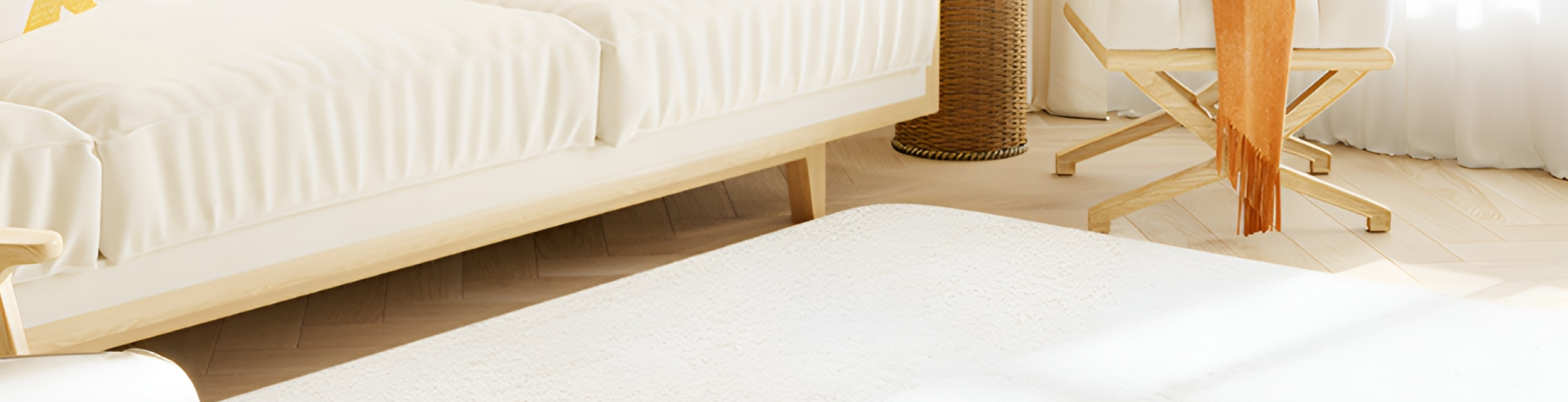


Achieving a luxurious interior often involves balancing aesthetic desires with budget constraints. High-pile, soft-touch flooring options provide immediate warmth and comfort, transforming a sterile room into a cozy sanctuary. This guide examines how to identify quality in affordable plush textiles, focusing on the intersection of cost-efficiency and tactile performance for residential and light commercial use.
For many homeowners and interior designers, the challenge lies in finding cheap plush rugs that do not compromise on safety or longevity. From bedroom bedside mats to living room centerpieces, the right selection depends on understanding fiber resilience and pile density. In the B2B and wholesale landscape, this requires a partner capable of large-scale production without sacrificing environmental standards.
Readers will discover the technical criteria for evaluating fiber quality, the impact of different pile heights on room acoustics, and practical maintenance tips to prevent matting. By focusing on material science and manufacturing capabilities, we provide a framework for procurement that ensures a high return on investment through durability and design excellence.
The Value Proposition of Budget-Friendly Plush Flooring
The market for affordable plush carpeting has evolved from simple synthetic mats to sophisticated textile engineering. Modern production lines now utilize advanced machine-woven techniques that mimic the feel of high-end wool or silk while utilizing cost-effective high-quality fibers. This shift allows for a broader range of designs—such as rainbow gradients and faux fur textures—making high-comfort flooring accessible for diverse demographics, including children's themed bedrooms and modern office lounges. The primary value lies in the ability to create a "cloud-like" sensory experience underfoot, which has been linked to increased relaxation and psychological comfort within the home. For wholesale buyers, the focus is on the balance between the cost of materials and the perceived luxury of the end product, ensuring that "cheap" refers to the price point rather than the quality of the craftsmanship.
Strategic Selection for High-Comfort Carpeting
Selecting the ideal plush flooring requires a multi-dimensional analysis of technical specifications and application requirements. To avoid common pitfalls like excessive shedding or rapid flattening, buyers must evaluate the following seven core dimensions of rug engineering.
Material Composition and Fiber Choice
The tactile experience is governed by the fiber type. High-quality synthetic fibers provide the necessary softness while ensuring that the rug can withstand daily foot traffic without losing its shape. Selecting fibers that pass environmental and quality tests is critical for indoor air quality and skin sensitivity.
| Fiber Type | Tactile Feel | Durability Level | Best Application |
|---|---|---|---|
| High-Quality Synthetic | Very Soft/Plush | High | Living Rooms |
| Faux Fur Fiber | Silky/Luxurious | Medium | Bedside/Decor |
| Mixed Fiber Blend | Balanced/Dense | High | Office Areas |
| Polypropylene | Soft/Resilient | Very High | High-Traffic Hallways |
| Soft Nylon | Springy/Plush | High | Children's Rooms |
| Acrylic Blend | Wool-like/Warm | Medium | Bedroom Centers |
Texture and Pile Height Dynamics
Pile height determines both the comfort level and the maintenance requirement. A deeper pile creates a more luxurious feel and better sound insulation, which is ideal for bedrooms. However, extremely high piles may require more frequent vacuuming to prevent debris from settling at the base. A balanced approach ensures the "stepping on a cloud" sensation while maintaining structural integrity over years of use.
Color Transitions and Visual Impact
Visual appeal is often achieved through rich, natural transitions. For instance, rainbow-colored designs can act as a focal point in a room, adding cheerfulness and warmth. The quality of the dyeing process is essential; superior manufacturing ensures that colors remain vibrant and do not fade under sunlight or after repeated cleaning, maintaining the room's aesthetic energy.
Durability in High-Traffic Zones
To prevent deformation, the rug must possess high resilience. Machine-woven production lines enable a tighter knit that supports the weight of furniture and frequent movement. When evaluating budget options, check for "shedding resistance"—a key indicator that the fibers are securely anchored to the backing, preventing the rug from thinning over time.
Safety and Non-Slip Requirements
A plush rug is only as good as its stability. Non-slip backing is a non-negotiable safety feature, especially in offices or households with children. This prevents sliding on hardwood or tile floors. Professional-grade rugs integrate a grip layer that secures the carpet in place without damaging the underlying flooring surface.
Maintenance for Long-Term Softness
Preserving the "fluffy" texture requires specific care. Regular vacuuming with a low-suction setting prevents fiber compression. Occasional deep cleaning is recommended to remove allergens. Choosing materials that are naturally resistant to stains allows for easier spot-cleaning, extending the lifecycle of the product and maintaining its visual appeal.
Sourcing from Scalable Manufacturers
For B2B procurement, the ability of the supplier to maintain consistency across large orders is vital. Hebei Yihao Home Furnishings Sales Co., Ltd. utilizes large-scale machine-woven lines and traditional cutting technology to ensure every piece meets quality and environmental tests. This industrial capacity allows for competitive pricing while providing the customization needed for diverse global markets.
FAQ
What makes a plush rug feel "soft" yet remain durable?
The softness comes from the use of fine-denier synthetic fibers that mimic the texture of natural wool. Durability is achieved through the weaving density and the quality of the backing. A high-quality machine-woven rug ensures that the fibers are tightly bound, allowing them to spring back after being stepped on, which prevents the carpet from looking "flat" or worn out over time.
Are colorful rainbow rugs suitable for professional office environments?
Yes, depending on the office culture. In creative studios or breakrooms, colorful plush rugs can enhance the atmosphere and improve employee mood. From a functional perspective, they also provide excellent sound absorption, reducing noise pollution in open-plan offices. For a more professional look, one can choose muted tones of plush rugs that offer the same comfort without the bold color palette.
How can I tell if a budget rug is a good investment?
Check three main factors: the backing, the shedding, and the certification. A good investment rug will have a sturdy, non-slip backing and minimal fiber loss when gently tugged. Additionally, ensure the manufacturer provides proof of quality and environmental protection tests. This guarantees the product is safe for home use and will not degrade rapidly under normal conditions.
What is the best way to clean a high-pile plush rug?
The best approach is regular vacuuming using a vacuum cleaner without a beater bar, as aggressive brushes can pull at the fibers. For stains, blot (do not rub) with a mild detergent and water. To restore the fluffiness of the pile, you can occasionally shake the rug outdoors or use a fabric steamer on a low setting to lift the fibers.
Can I customize the size and pattern of plush rugs for wholesale orders?
Yes, professional manufacturers like Hebei Yihao Home Furnishings Sales Co., Ltd. focus on pattern design and development. They can accommodate specific design requirements and size specifications using their machine-woven production lines. This allows B2B clients to align the product exactly with their target market's preferences or a specific interior design project.
Do plush rugs contribute to room temperature regulation?
Absolutely. The thick layer of fibers acts as a natural thermal insulator. In winter, it prevents cold air from the floor from reaching the feet, making the room feel significantly warmer. In summer, while they don't cool the room, the physical barrier and material choice can prevent the floor from feeling excessively hot, providing a consistent tactile comfort throughout the year.
References and further reading
- Textile Engineering Standards for Residential Flooring (2024 Edition)
- Guide to Sustainable Synthetic Fiber Production in Home Furnishings
- Interior Design Psychology: The Impact of Texture on Domestic Comfort