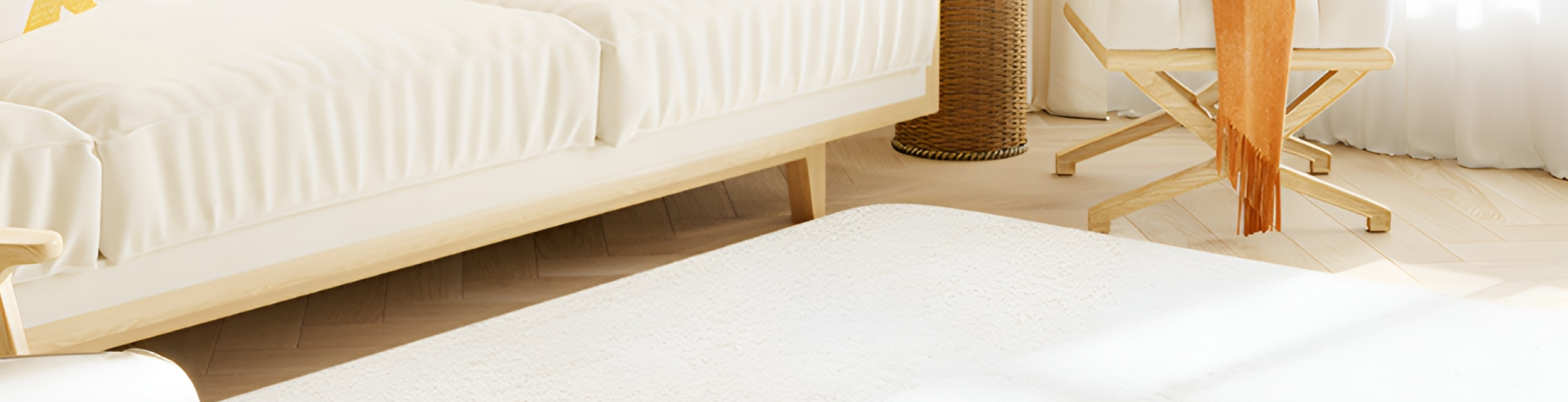


Finding high-comfort flooring that aligns with a strict budget often leads buyers to search for cheap plush area rugs, where the goal is to maximize tactile softness without compromising room aesthetics. A plush rug is defined by its deep pile and dense fiber arrangement, designed to provide a cushion-like feel underfoot while adding thermal insulation to a room. This article examines how to identify value-driven options that maintain structural integrity over time.
In the current B2B and retail landscape, the challenge lies in distinguishing between low-cost materials that shed quickly and affordable high-quality fibers that utilize modern machine-weaving techniques. For interior designers and procurement managers, understanding the relationship between fiber type, pile height, and backing material is critical to ensuring that a low-cost investment does not result in a short product lifecycle. The focus is shifting toward synthetic innovations that mimic luxury wool or silk.
Readers will learn how to evaluate plush rugs based on material resilience, the impact of different weaving densities on comfort, and practical maintenance strategies. By analyzing the production capabilities of specialized manufacturers like Hebei Yihao Home Furnishings Sales Co., Ltd., this guide provides a framework for selecting flooring that balances visual appeal, functional softness, and economic efficiency.
Budget-Friendly Luxury: The Mechanics of Plush Rugs
The perceived value of a plush rug depends on its "pile," which refers to the upright loops or strands of fiber. To achieve a high-end feel at a lower price point, modern manufacturing relies on high-quality synthetic fibers such as polypropylene or specialized polyester. These materials are engineered to provide the "cloud-like" sensation often associated with luxury carpets while remaining resistant to stains and wear. The technical secret to an affordable yet plush feel is the density of the machine-woven production line; a tighter weave prevents the fibers from flattening prematurely, which is a common failure in truly low-quality products. When these technical standards are met, a budget-conscious choice can offer similar thermal and acoustic properties to premium alternatives, making them ideal for bedrooms and living areas where comfort is the primary requirement.
A Comprehensive Guide to Selecting High-Value Plush Flooring
Selecting the right rug involves more than just choosing a color; it requires a technical assessment of how the product will perform in a specific environment. From material selection to supplier evaluation, several key factors determine whether a plush rug remains a long-term asset or becomes a maintenance liability.
Material Composition and Pile Density
The choice of fiber directly impacts the rug's longevity and softness. High-quality synthetic fibers are now designed to avoid the "plastic" feel of early budget carpets. Pile density refers to the number of fibers per square inch; higher density typically means better resilience and a more luxurious feel. For those seeking affordable options, polypropylene is often the best trade-off between cost and durability.
| Fiber Type | Softness Level | Durability | Primary Use Case |
|---|---|---|---|
| Polypropylene | High | Excellent | Living Rooms / High Traffic |
| Polyester | Very High | Moderate | Bedrooms / Low Traffic |
| Mixed Synthetic | Moderate | High | Office / Multi-purpose |
| Faux Fur/Acrylic | Extreme | Low-Moderate | Decorative / Accents |
| Nylon Blend | Moderate | Very High | Commercial / Hallways |
| Rainbow Fiber | High | Moderate | Children's Rooms / Creative Space |
Balancing Softness with Durability
There is often a tension between extreme softness and long-term wear. Very high-pile rugs (shags) provide maximum comfort but are more prone to "matting" in areas of heavy foot traffic. To balance this, look for products that use a combination of fiber lengths or reinforced backing. Professional machine-woven carpets, such as those produced by Hebei Yihao, utilize cutting technology to ensure fibers remain upright and resilient, reducing the need for frequent professional grooming.
Color Theory and Visual Space Enhancement
Color choice affects more than just style; it impacts the perceived size and cleanliness of a room. Light-colored plush rugs can make a small bedroom feel larger and more airy, though they require more frequent cleaning. Vibrant options, such as rainbow-colored designs, act as a visual focal point and are particularly effective in creating a lively atmosphere in children's rooms or creative studios, adding warmth and a playful energy to the interior.
Application Scenarios for High-Traffic Zones
Not every plush rug is suited for every room. In a living room, a plush rug should be placed in front of the sofa or coffee table to define the seating area. In a bedroom, placing a soft rug beside the bed provides a comfortable transition for waking up. For office environments, non-slip plush rugs are recommended to prevent movement during chair use, combining professional aesthetics with ergonomic comfort.
Maintenance Protocols for Long-Term Value
To preserve the "fluffiness" of a budget-friendly rug, regular maintenance is non-negotiable. Vacuuming without a beater bar is often recommended for high-pile synthetics to avoid pulling at the fibers. Occasional deep cleaning and the use of a rug pad can prevent the backing from wearing down and keep the pile from compressing. Proper care can extend the lifecycle of an affordable rug by several years, maximizing the return on investment.
Evaluating Supplier Manufacturing Capabilities
When sourcing B2B, the supplier's infrastructure is as important as the product sample. A reliable manufacturer should possess large-scale machine-woven production lines and a dedicated design team to ensure consistency across batches. Hebei Yihao Home Furnishings Sales Co., Ltd. emphasizes this by integrating pattern design with traditional carpet cutting technology, ensuring that products exported to various countries meet international quality and environmental standards.
Environmental and Safety Certifications
Affordable does not have to mean unsafe. Buyers should verify that the fibers used are non-toxic and that the rug has passed environmental protection tests. This is especially critical for products used in children's bedrooms. Checking for certifications regarding VOC emissions and fire retardancy ensures that the product is safe for indoor residential use and compliant with the import regulations of the destination country.
FAQ
What makes a plush rug feel "expensive" even if it is affordable?
The "luxury" feel comes from a combination of high pile density and the quality of the synthetic fiber. When a rug is machine-woven with a high number of fibers per square inch, it creates a dense, supportive cushion that mimics high-end wool. Additionally, modern fiber treatments can add a subtle sheen and a silk-like softness to polyester or polypropylene, enhancing the overall tactile experience.
Will a budget-friendly plush rug shed a lot of fibers?
Shedding typically occurs in lower-quality rugs where the fibers are not properly anchored to the backing. To avoid this, select rugs from manufacturers that use advanced machine-weaving and cutting technology. Quality-tested synthetic rugs are designed to be shed-resistant, meaning they maintain their fullness without leaving fiber residue on your floors, which is a key indicator of a well-manufactured product.
How do I choose between a shag rug and a standard plush rug?
A shag rug has a much longer pile and a more "irregular" look, providing maximum softness but requiring more maintenance. A standard plush rug has a shorter, more uniform pile that is easier to clean and more durable for areas with moderate foot traffic. Choose shag for bedrooms or accent areas, and standard plush for living rooms or home offices where functionality is a priority.
Are rainbow-colored plush rugs suitable for professional spaces?
While rainbow rugs are primarily designed for children's rooms or creative environments due to their vibrant nature, they can be used in professional creative studios or modern "play-focused" office breakrooms to inspire creativity. However, for traditional corporate environments, neutral-toned plush rugs are generally preferred to maintain a professional atmosphere while still providing acoustic and comfort benefits.
What should I look for when evaluating a B2B carpet supplier?
A professional B2B supplier should provide evidence of their production capacity, such as the presence of large-scale machine-woven lines and a dedicated design team. You should also inquire about their quality control processes and whether their products have passed environmental and safety tests. A supplier's ability to export to multiple countries and their presence on global e-commerce platforms often indicates a proven track record of quality and reliability.
How do I prevent a plush rug from sliding on hardwood floors?
The most effective way to prevent sliding is to use a high-quality non-slip rug pad underneath the carpet. Additionally, some manufacturers integrate non-slip backing directly into the rug. When procuring, specify the need for "non-slip" features, especially for office or high-traffic residential areas, to ensure the safety of the users and prevent the rug from bunching up, which can lead to premature wear.
References and further reading
- International Standards for Synthetic Fiber Durability in Home Textiles.
- Guide to Machine-Woven Carpet Production and Pile Density Optimization.
- Interior Design Principles: The Impact of Texture and Color on Space Perception.